
My cottage near Molyvos
As I settle in here and talk to locals and volunteers, I hear so many amazing stories. The community of Lesvos has made a difference in the lives of so many and has itself been profoundly transformed by the refugee crisis.

My cottage near Molyvos
As I settle in here and talk to locals and volunteers, I hear so many amazing stories. The community of Lesvos has made a difference in the lives of so many and has itself been profoundly transformed by the refugee crisis.

For Lesvos, most of 2015 meant coping with the immediate needs of thousands of refugees arriving daily without help from government and little help from the world’s big NGOs. In the first two months of 2016, things have changed. The world has taken notice.
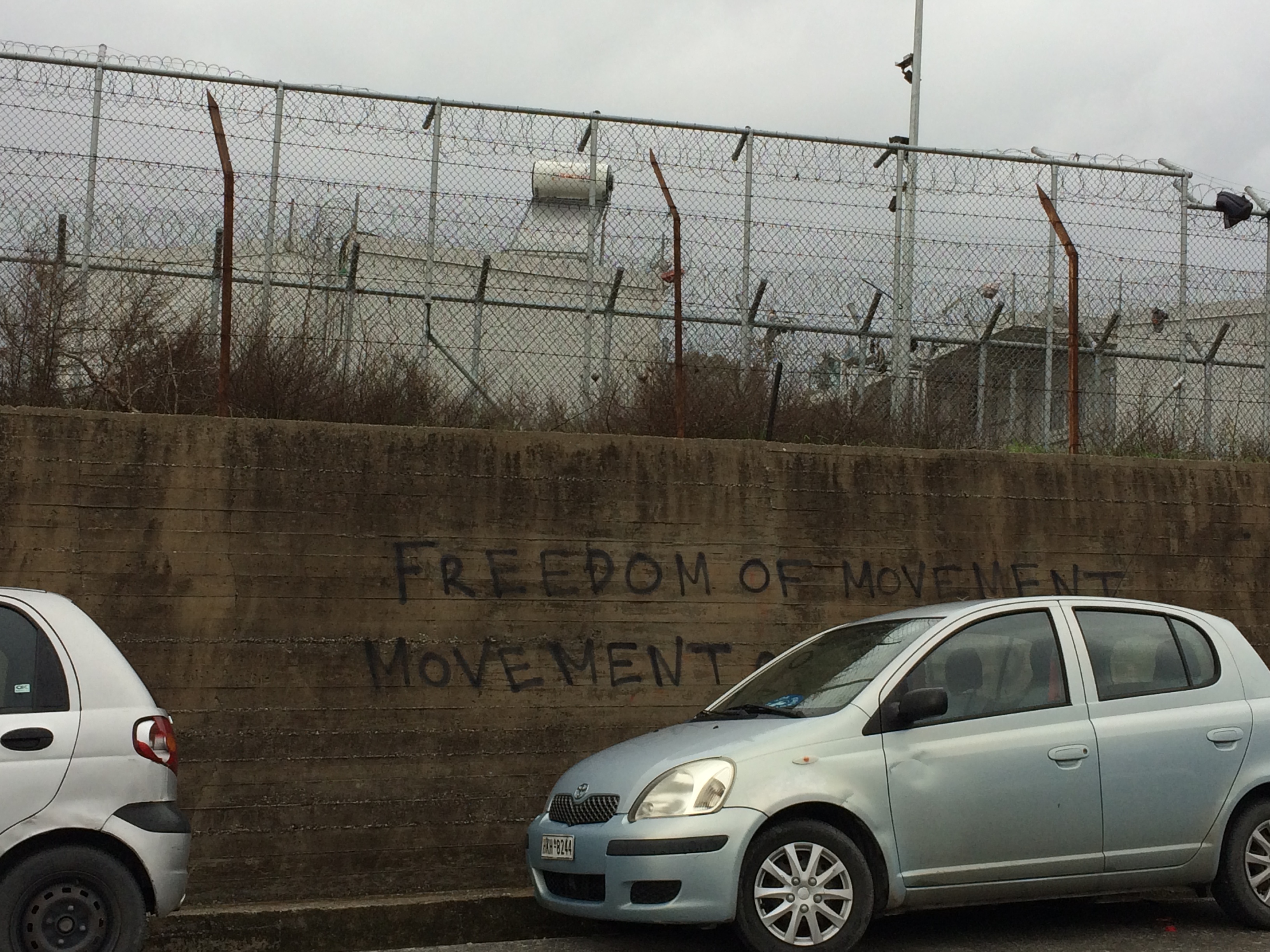
Outside the gate at Moria refugee camp.
During my first few days back in Molyvos, I have been settling in and trying to find my Greek center. I am staying in a small traditional cottage just outside of Molyvos next to a grove of olive trees with sheep — the two staples of the Lesvos landscape. It is quiet and comfortable and adorable.

I arrived on Lesvos on Friday as Macedonia shut its borders and left tens of thousands of refugees stranded in Greece without adequate shelter, food or water. Ten Balkan countries, lead by Austria, declared they would no longer admit Afghan refugees inside their borders and would impose strict procedures on others.

Argentina
Every year, the Berkeley-based non-profit, Ethical Traveler, announces its Top Ten most ethical places to travel in the developing world. This year, the winners include Uruguay, Micronesia, and Mongolia. http://ethicaltraveler.org/ The goal of Ethical Traveler is “to use the economic clout of tourism to protect human rights and the environment.” Its Top Ten countries get high marks for these attributes and it encourages us to visit them for that reason.
Wow, I am down with using travel to protect human rights and the environment. But I am not convinced the best way to do that is to go to the places that have good human rights and environmental records.
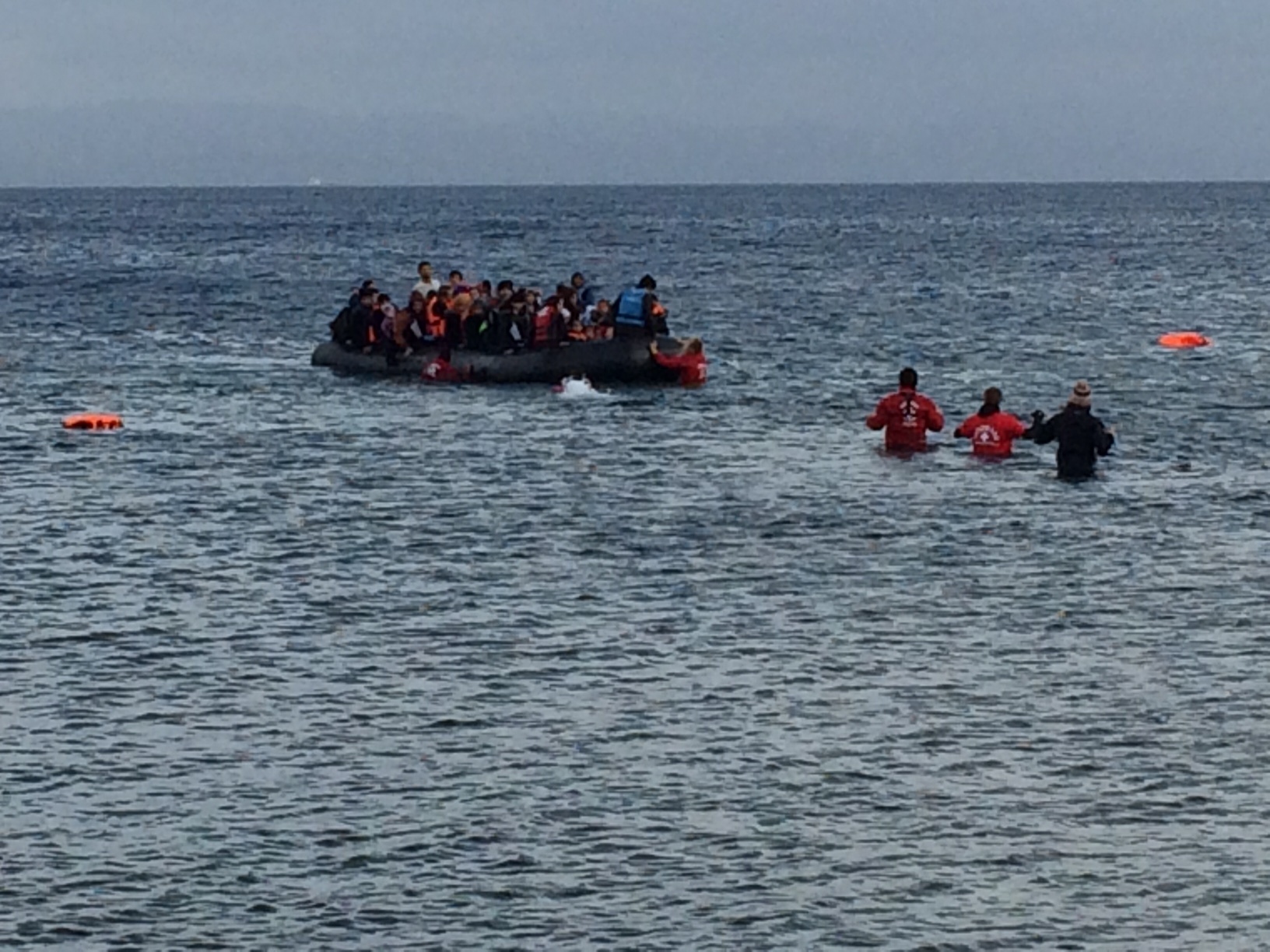
In the past month, more than 90 people have lost their lives trying to find peace and safety in Europe by crossing the Mediterranean from Turkey into Greece, adding to the 3,700 deaths that occurred in 2015. Meanwhile, the geopolitics of fear are ramping up. Sweden is planning to “send back” 80,000 asylum seekers. Bulgaria is threatening to close its borders. Some EU countries want to kick Greece out of the Schengen area, which permits free passage in and out of EU countries. Thugs have bombed the homes of refugees and politicians who know better are accusing innocent people of terrorism.
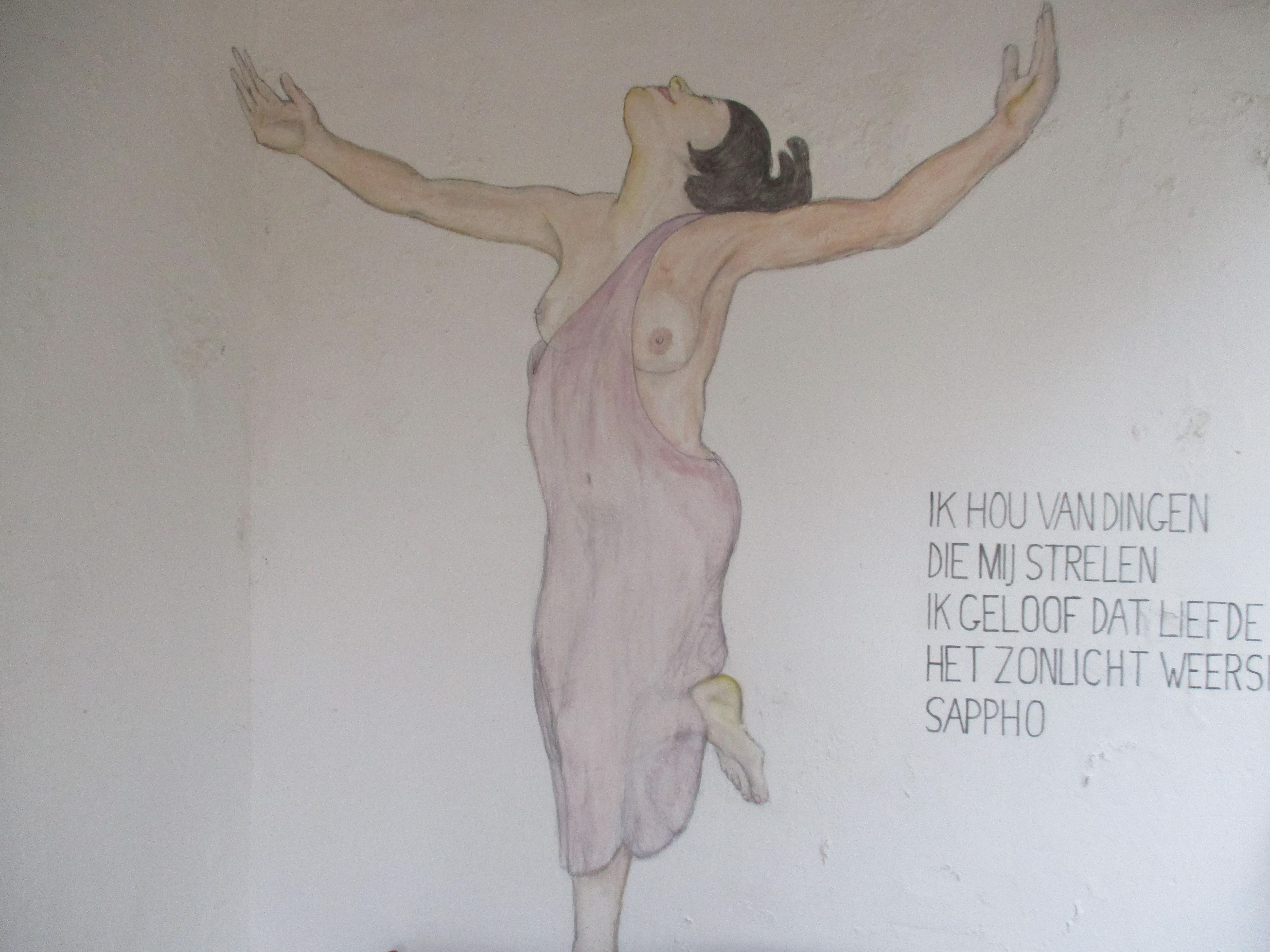
Sappho on a Lesvos hotel wall
Imagine a place where every need created by a continuing, relentless disaster seems to be organically filled by people who are committed to One Important Thing. And when needs change, people change. With hardly any money or rules. The work on Lesvos is not perfect and the task is impossibly difficult but Lesvos provides plenty of evidence of what people can do. It is a place where you meet many heroes.
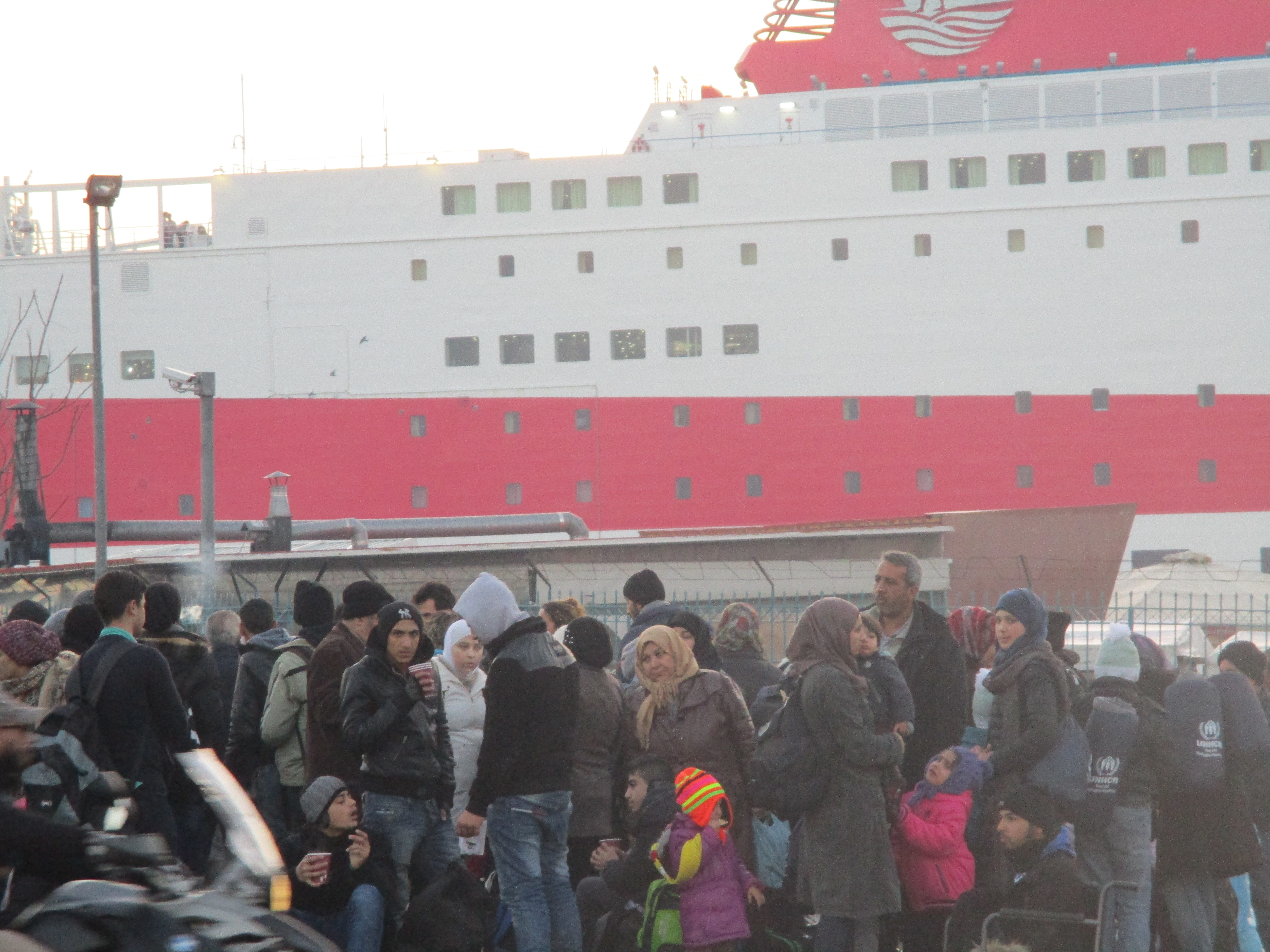
At Athens’ port Piraeus, refugees after getting off the ferry from Lesvos.
Refugees arriving in Athens on the ferry may be hungry and may not have opportunities — or in some cases money — to buy food before their departure on the buses that await them at the terminal. Projekt Soup-Port is there with sustenance when the ferries come in.
 Camino Milagro