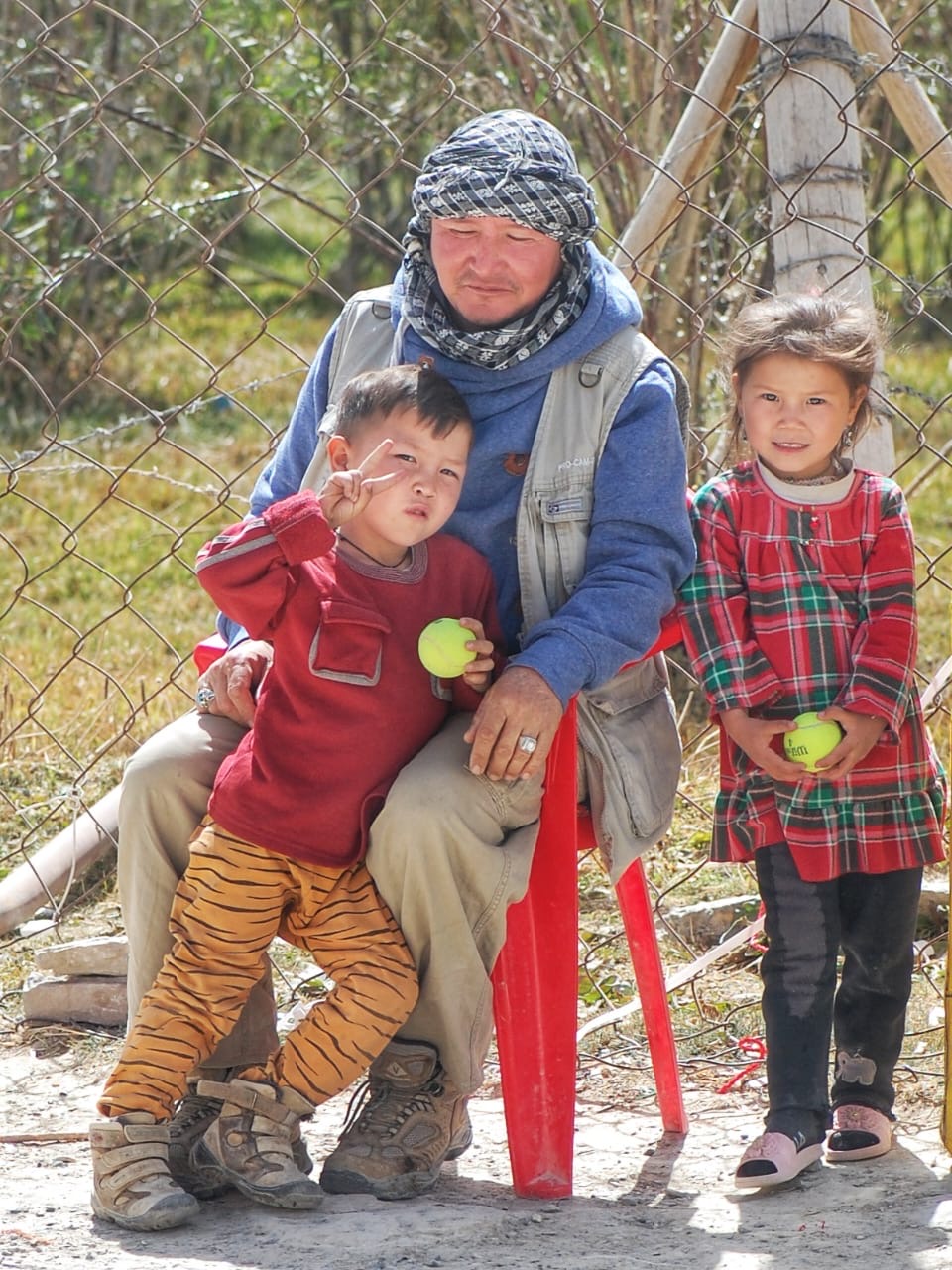
I’ve wanted to visit Afghanistan for most of my life. During the 1960s, two of my aunts and two of my uncles lived in Kabul. Their stories during family dinners in Pasadena influenced me to think of travel as exciting and important. Since then, I’ve read many books about Afghanistan and learned about it from my Afghan family who, in 2015, arrived in Europe as refugees.
After more than 40 years, Afghanistan is at peace and the Taliban government wants visitors. So I signed up for a 12-day tour and bought a plane ticket from Delhi to Kabul. When I told friends and family about this, some gasped (except I told my sisters not to bother, so they didn’t). “Aren’t you afraid of the Taliban?” “Aren’t you worried about being a woman there?” “Won’t you be unwelcome as an American?” The short answer is three “no’s.” My experiences in Afghanistan confirmed that I didn’t need to feel afraid or worried or unwelcome.
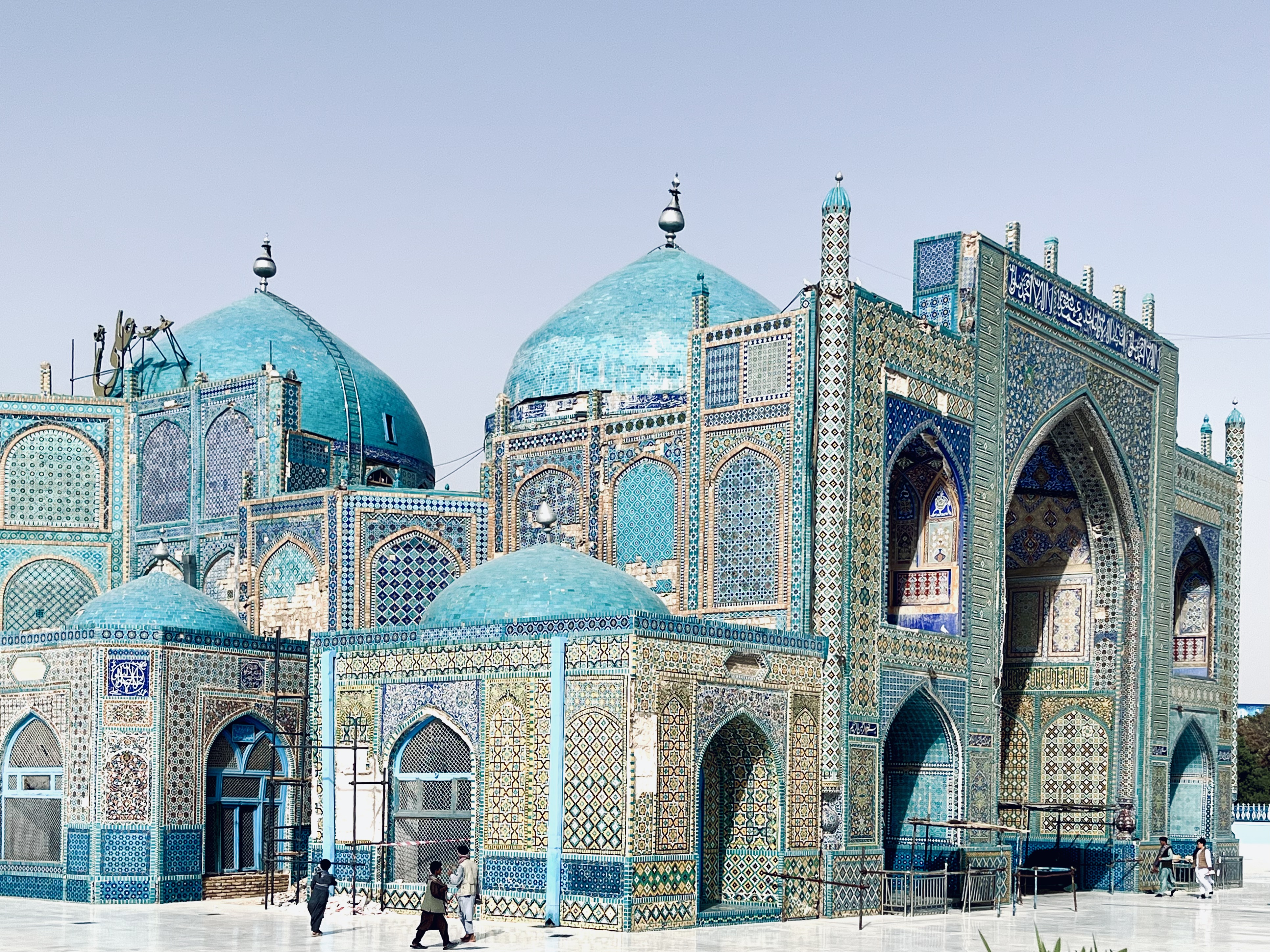
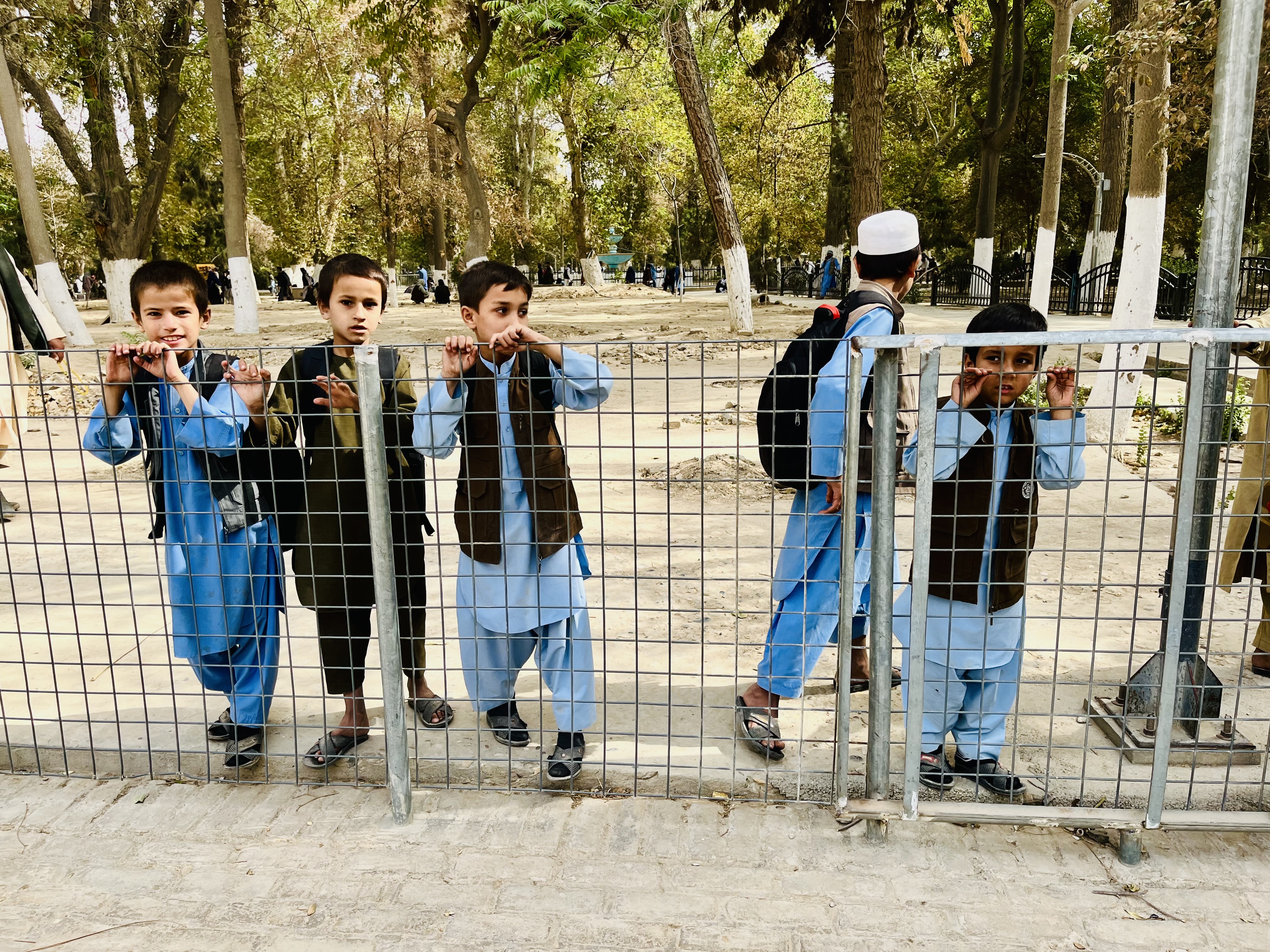
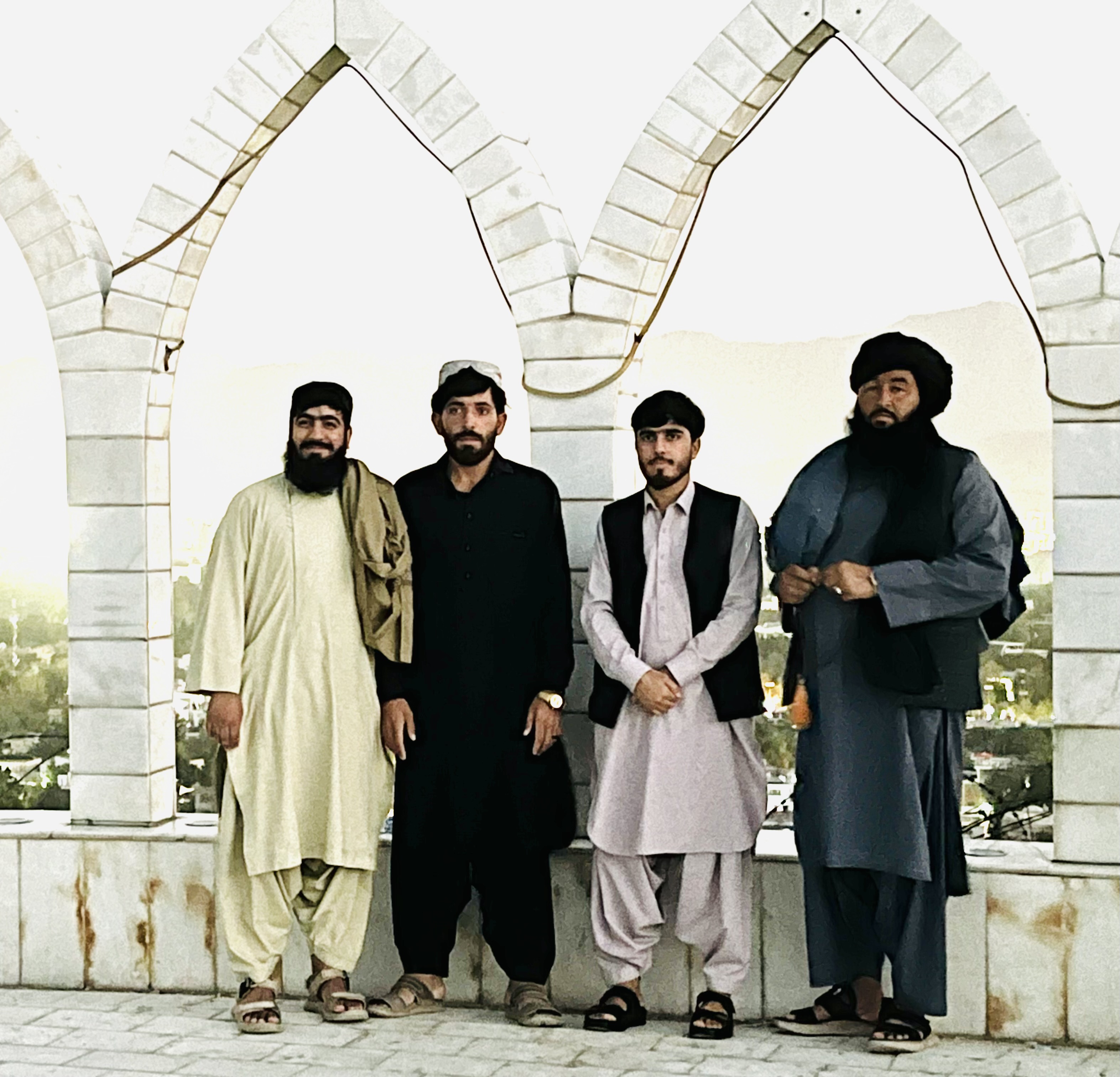
Afghanistan is still recovering from the US invasion that lasted 20 years. Its economy is in shambles. Refugees who fled during the war are returning without much to support themselves. The country has trillions of dollars worth of natural resources that have been plundered by outsiders, including the United States. And yet, I was treated with extraordinary kindness and hospitality. Young men and boys in particular waved, smiled, and yelled “Welcome to Afghanistan!” Some engaged us in conversation, curious and wanting to practice their English. People in hotels and restaurants went out of their way to be helpful and accommodating.
In Afghanistan, I learned (again!) not to believe everything I hear and read. For example, I went with some wrong assumptions about rules that apply to Afghan women. Here are a few things I didn’t know:
- Women are not required to wear burqas (a gown that covers the entire body and face), although google still reports that they are. I only saw a few women in burqa. When in public, women are required to wear dress that covers the shoulders and knees, and to wear a head covering.
- Women may be in public without a male escort — and many are, mostly in the markets.
- Women may and do speak in public.
- Women may and do own small businesses.
- Women are very safe in public places.
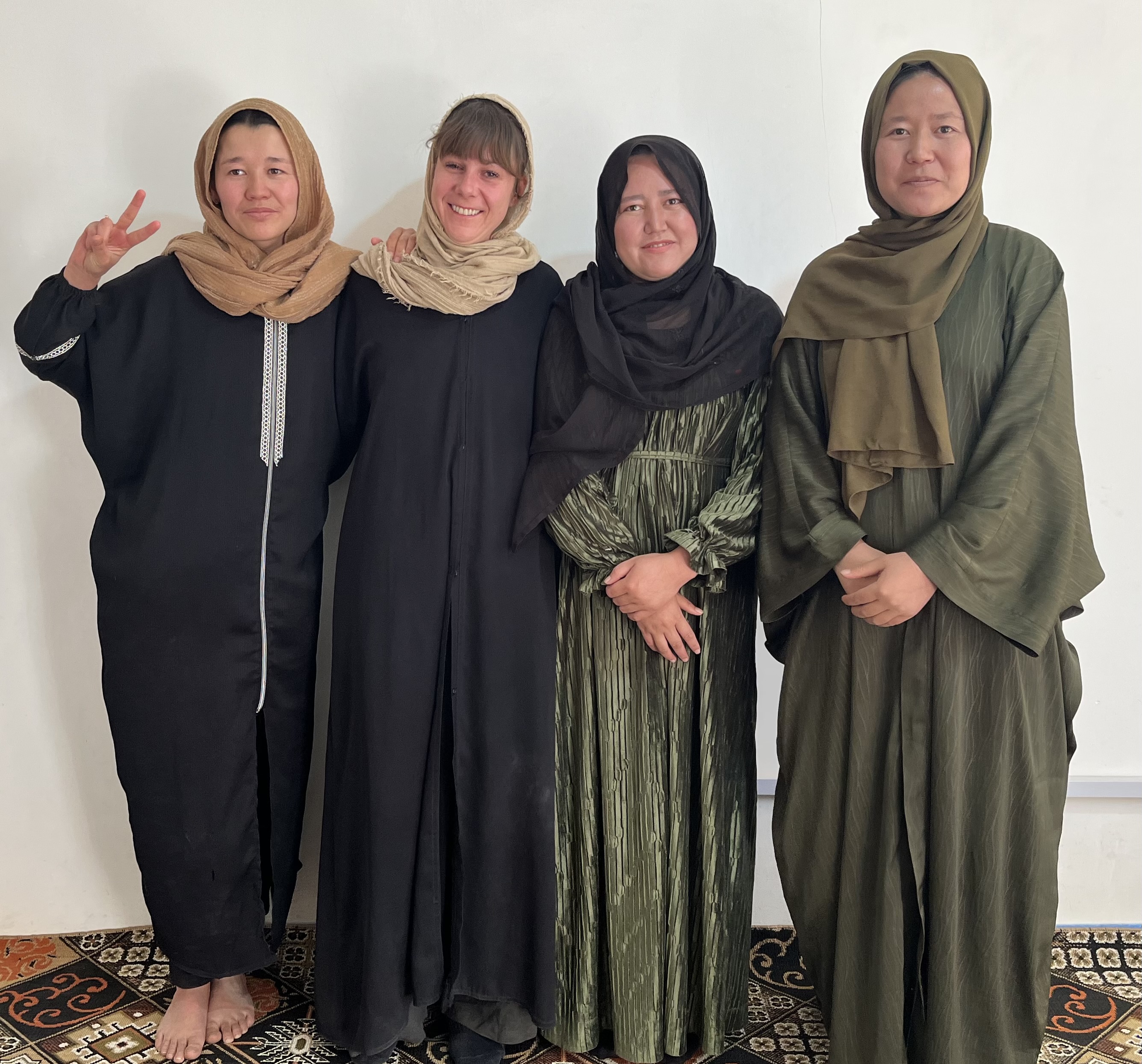
In restaurants, we met lively young women who treated us like family and were obviously educated and lived comfortable lives. We were also privileged to meet with three sisters who own a business that teaches young women a trade. All three were unmarried, educated, and totally bad ass. Here they are with one of the women in our tour group.
This is not to say women have equal rights. For example, women are not permitted in most mosques and are generally not permitted to work alongside men. Girls are not permitted to attend school after age 12. Unlike the men, most women I encountered seemed reticent to return a smile or a “salam”, which suggests something deeper. Hopefully, the restrictions on women will ease as the Taliban government seeks to be recognized as legitimate by the UN and other countries (right now, only Russia recognizes the Afghan government as legitimate).
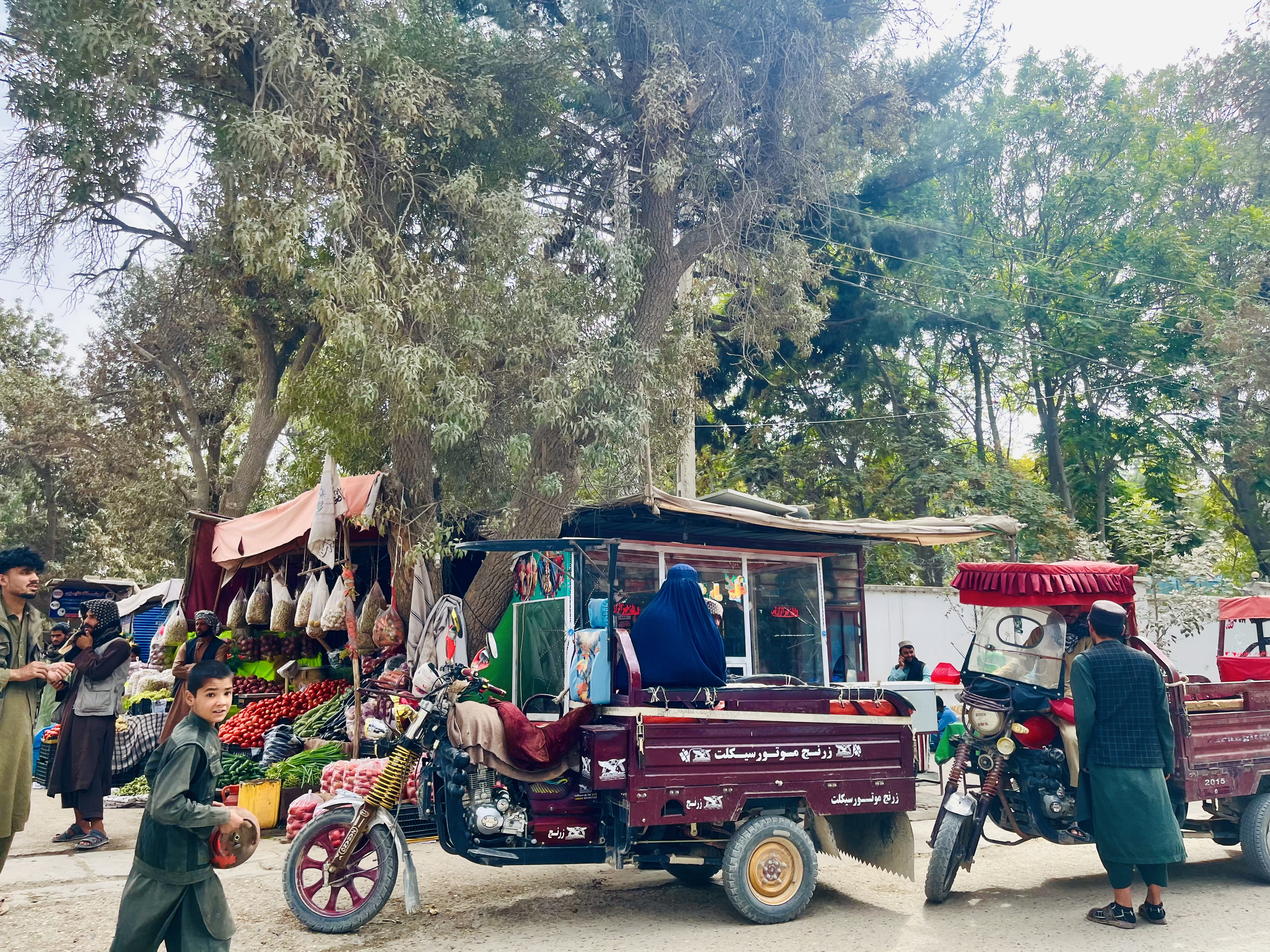
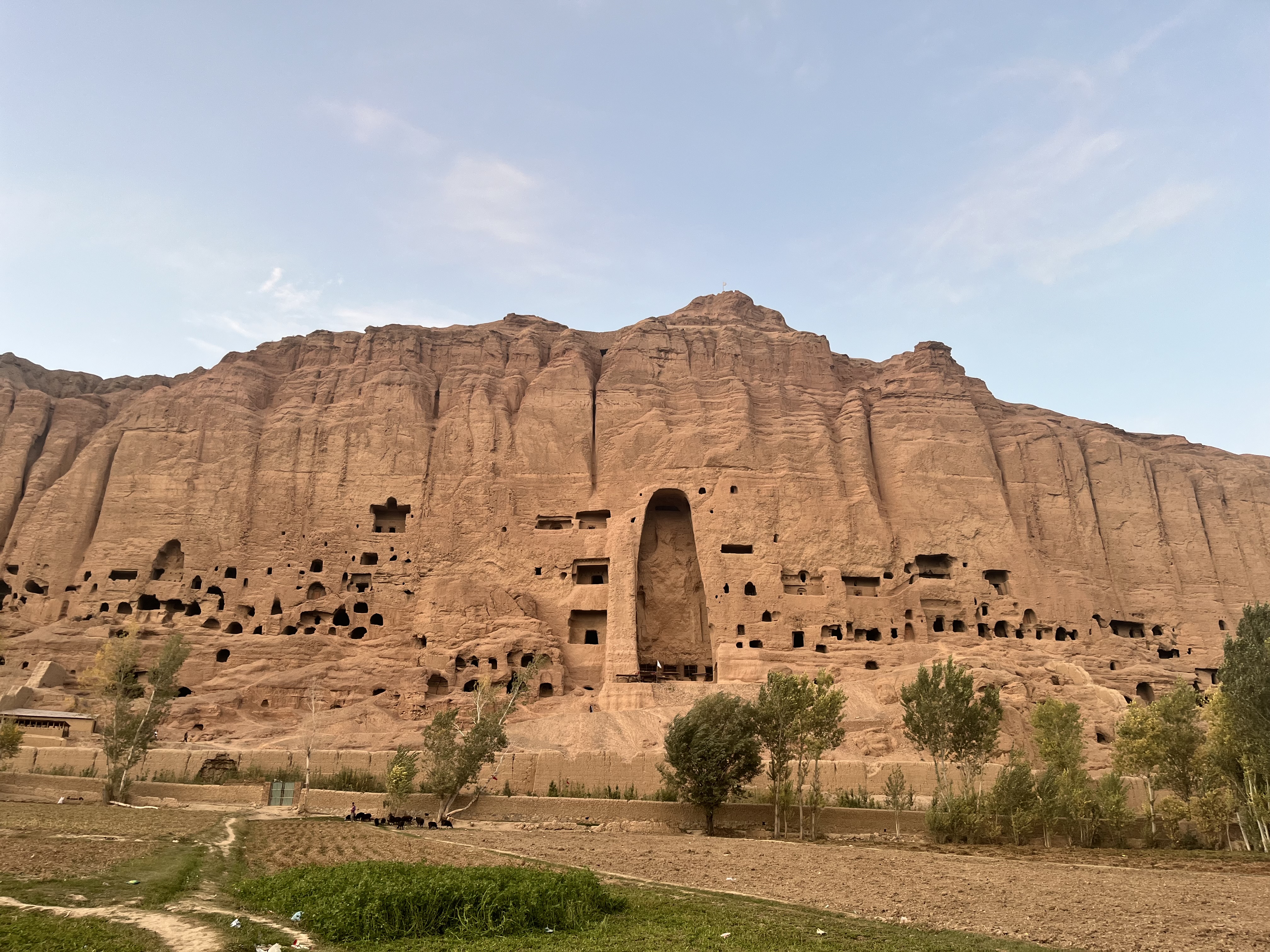
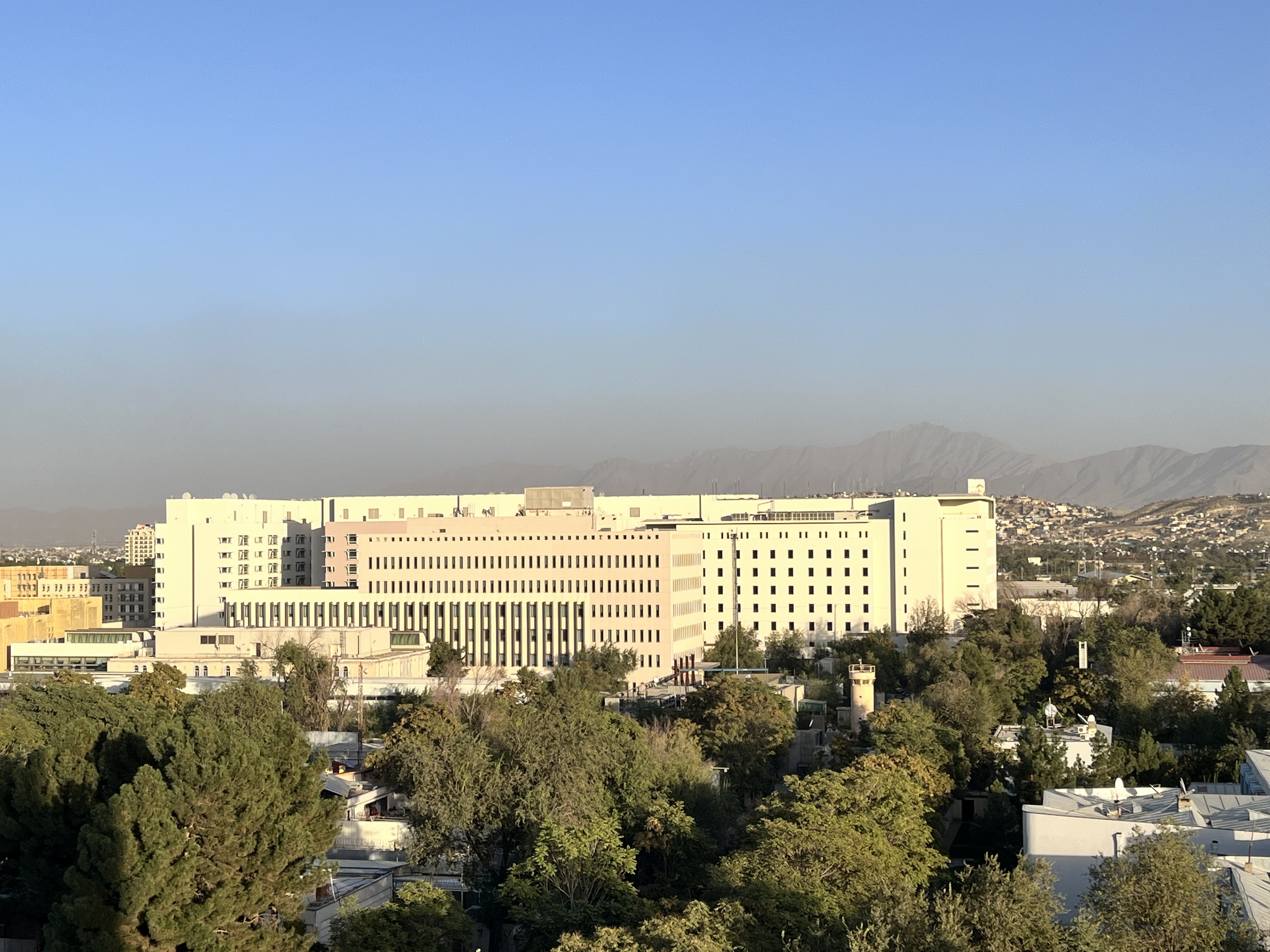
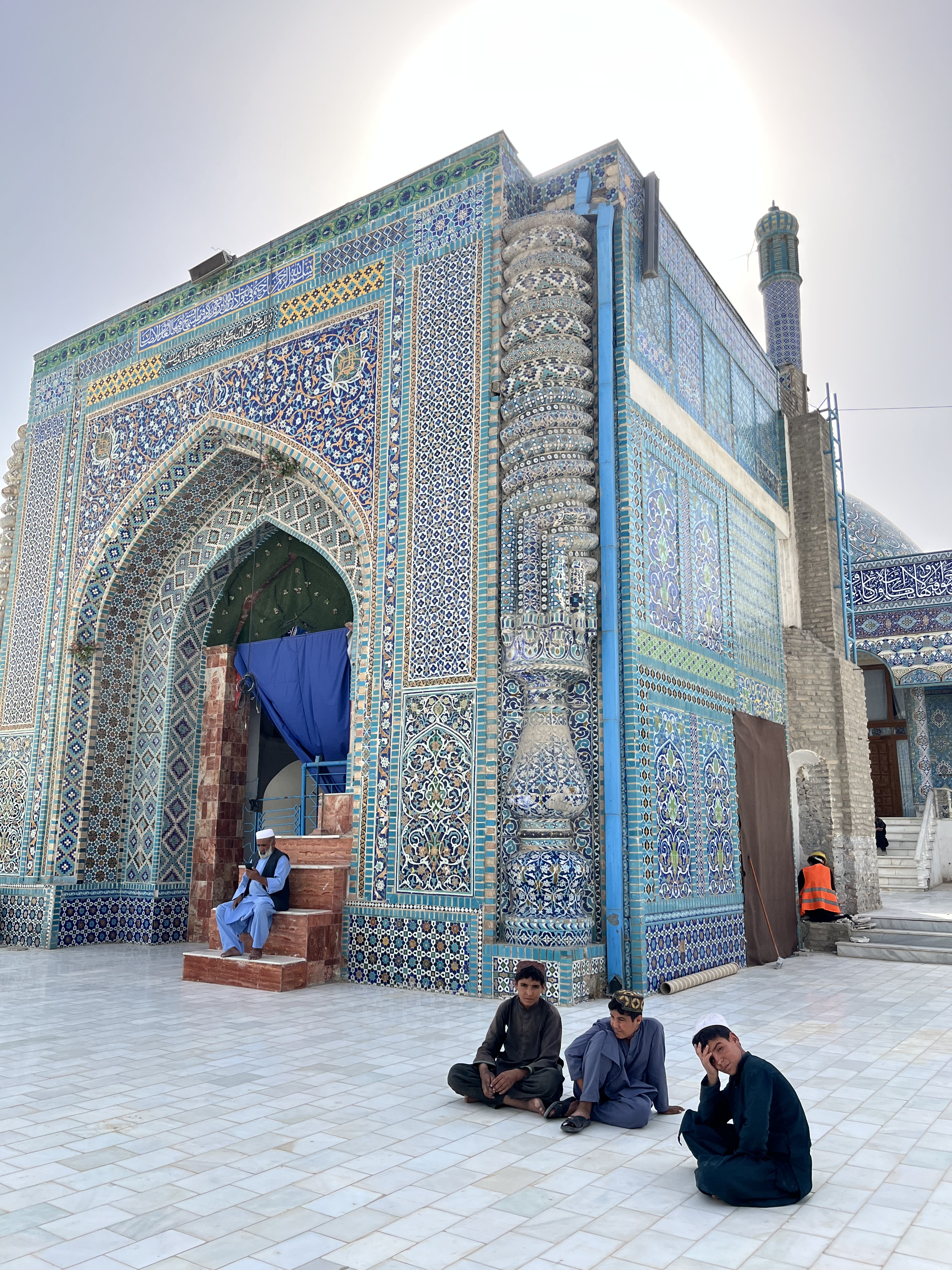
For travelers, Afghanistan has a lot of natural beauty and historic sites. I especially loved Bamiyan. It has mountains, farm lands, lakes, and geologic formations that reminded me of Cappadocia in Türkiye. Bamiyan is best known as the site of the ancient Buddhas carved into the mountainsides, which were completely destroyed by a Taliban group in 2001.
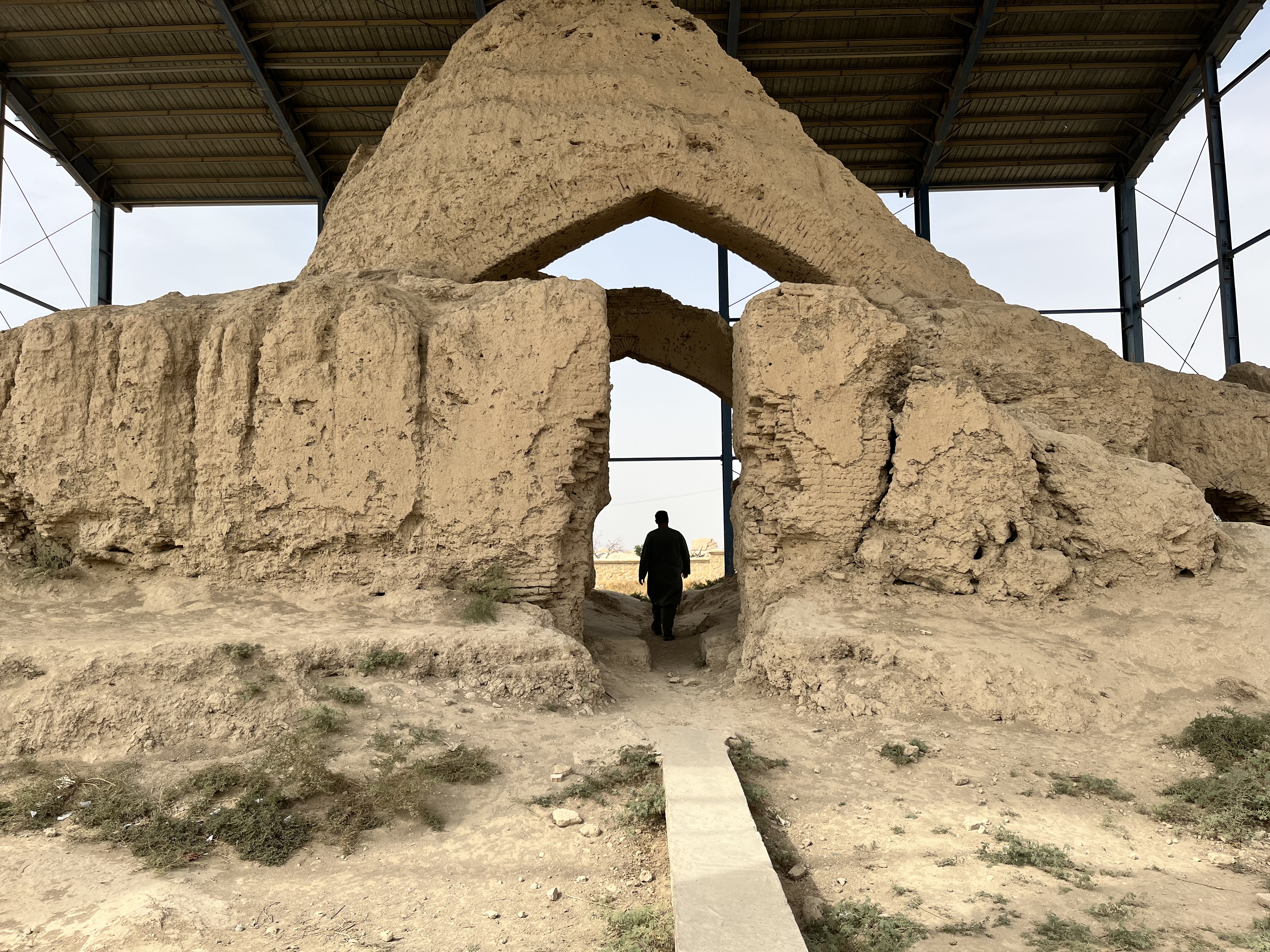
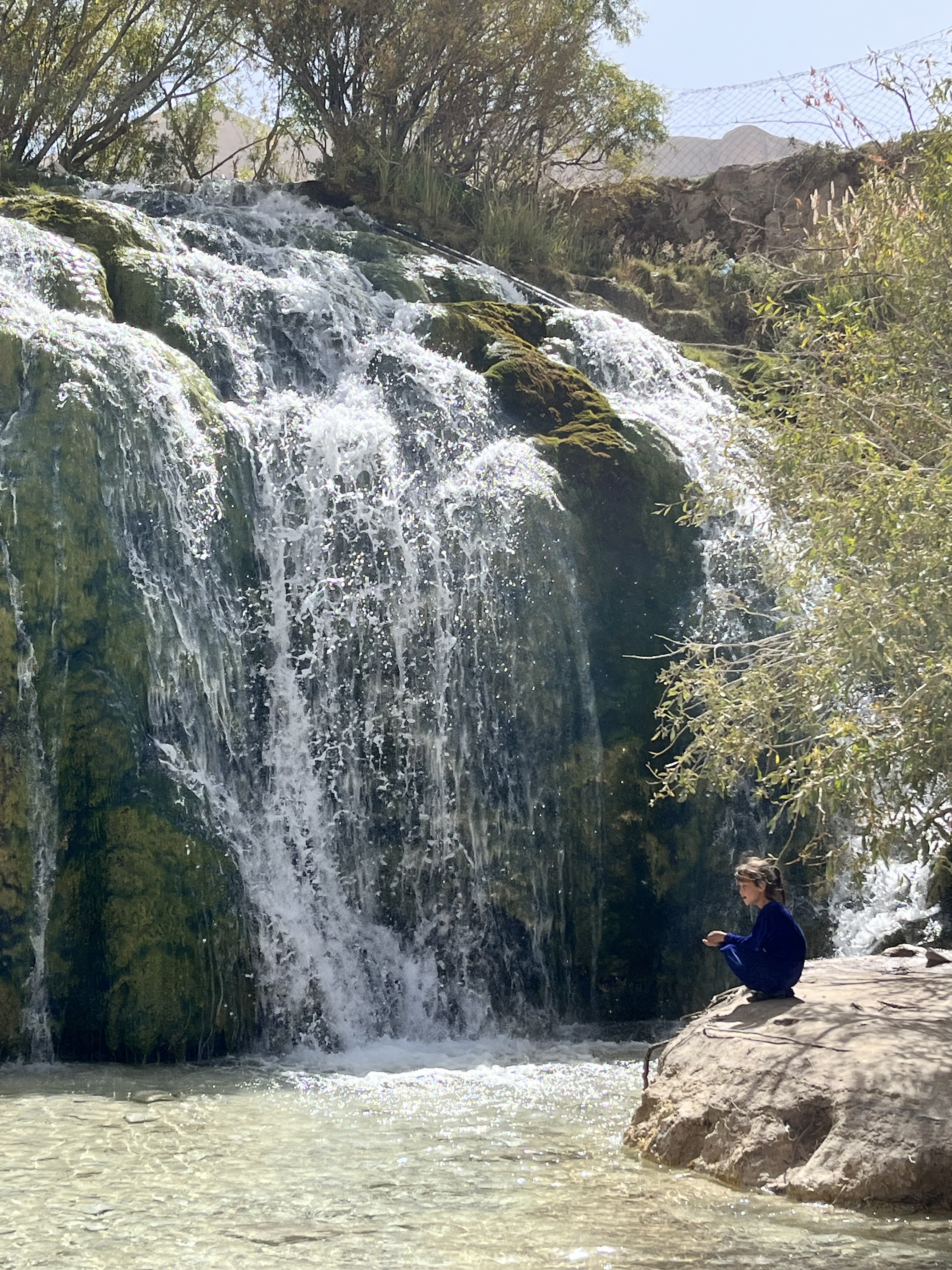
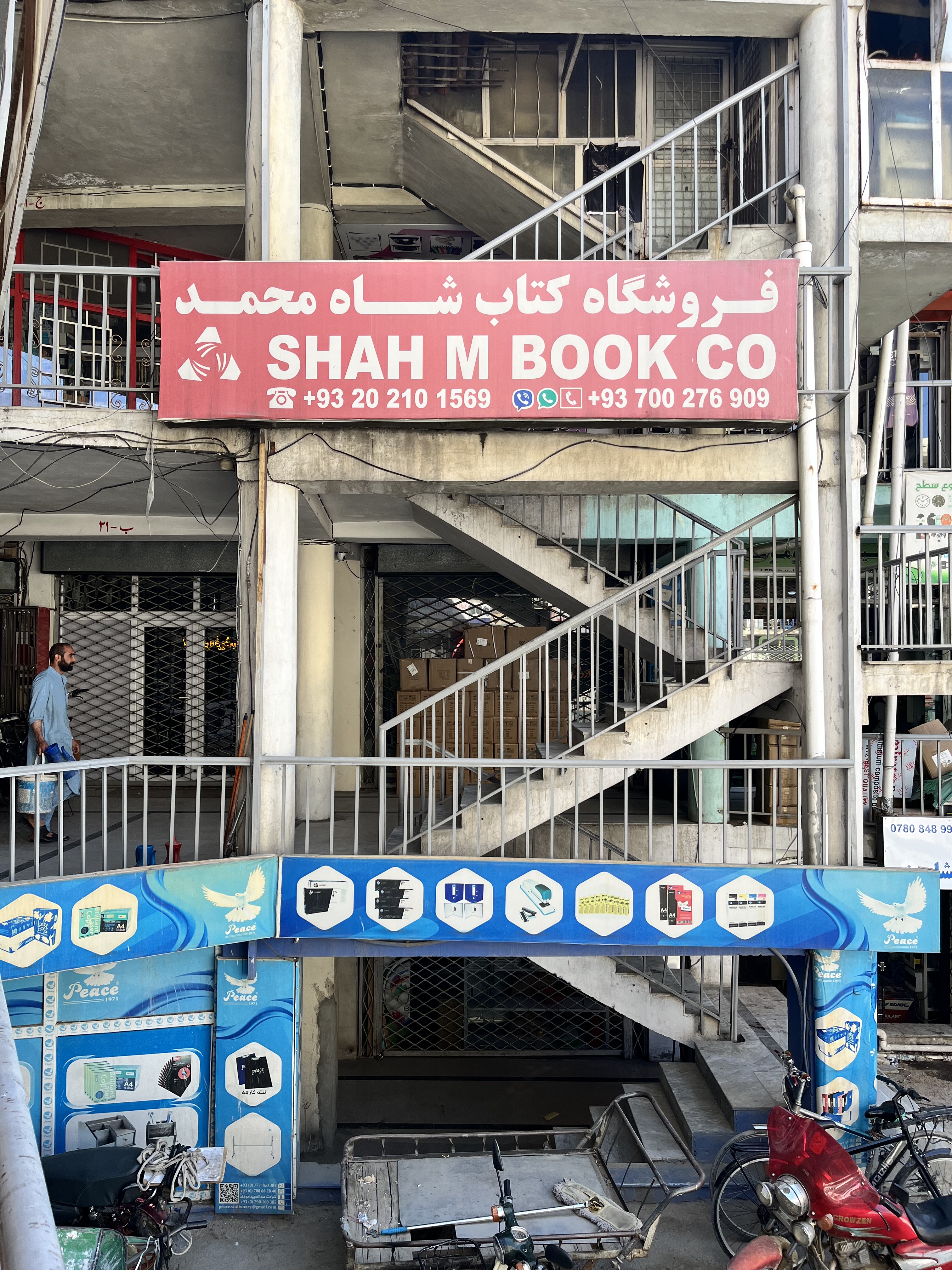
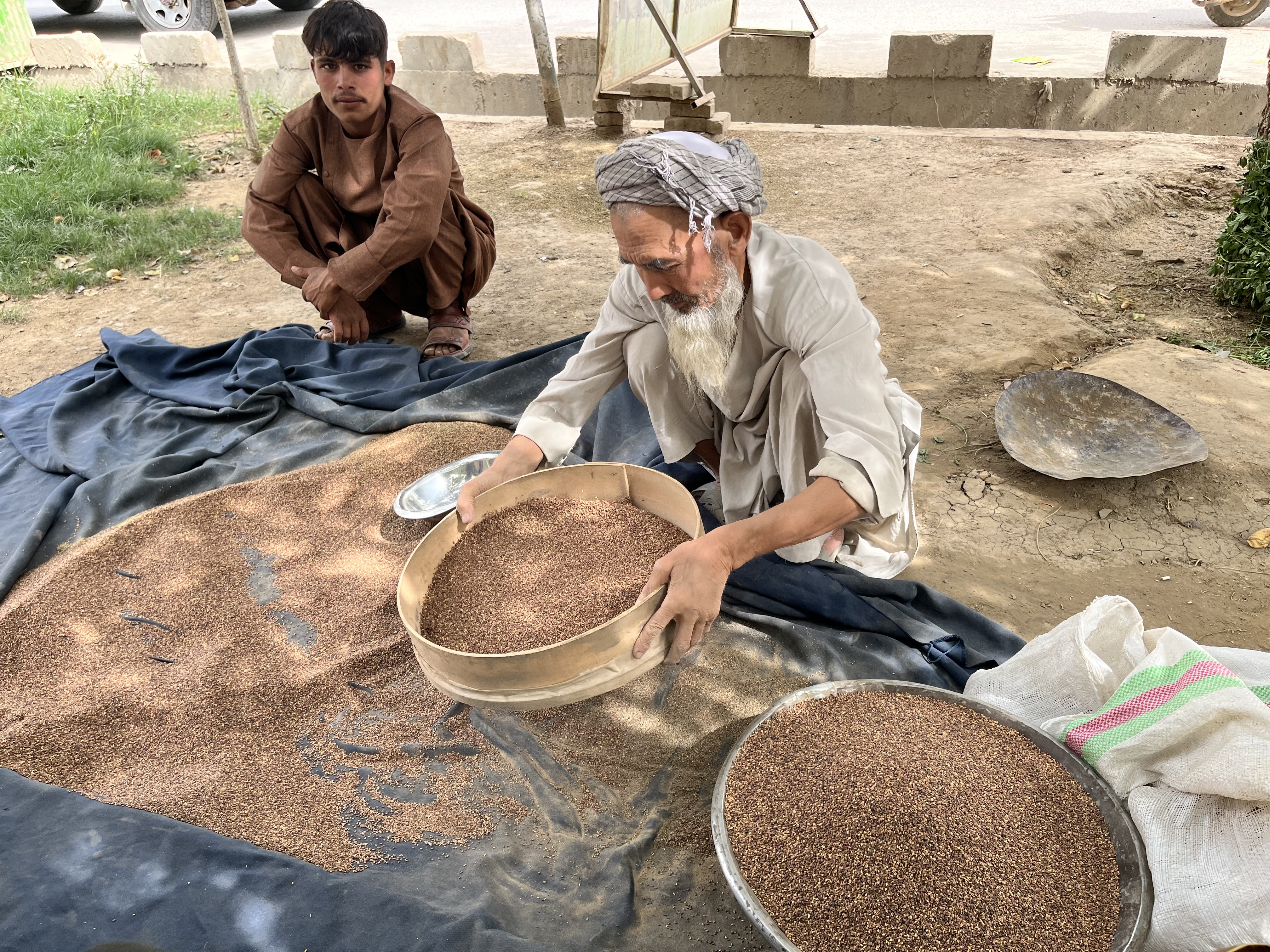
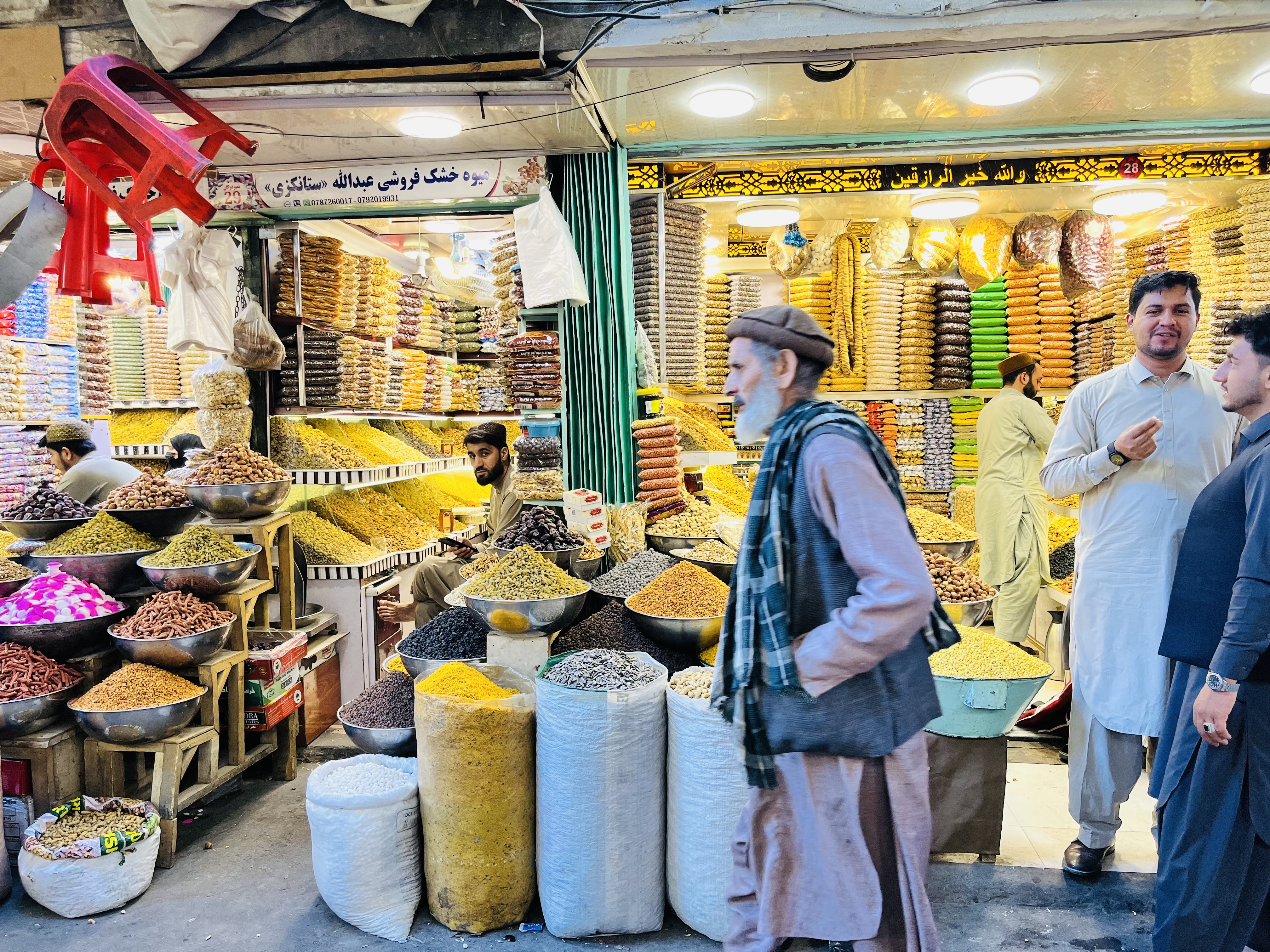
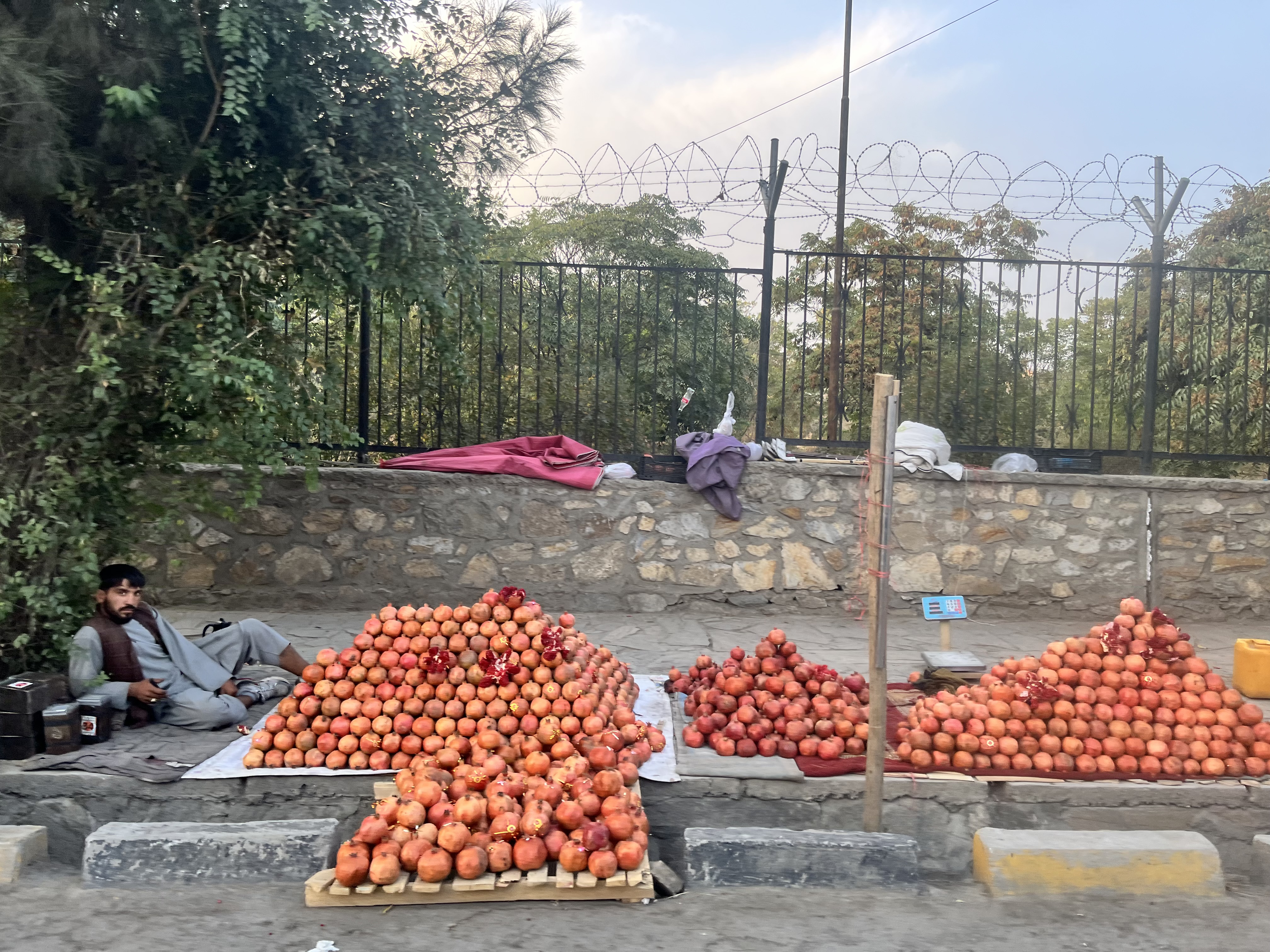
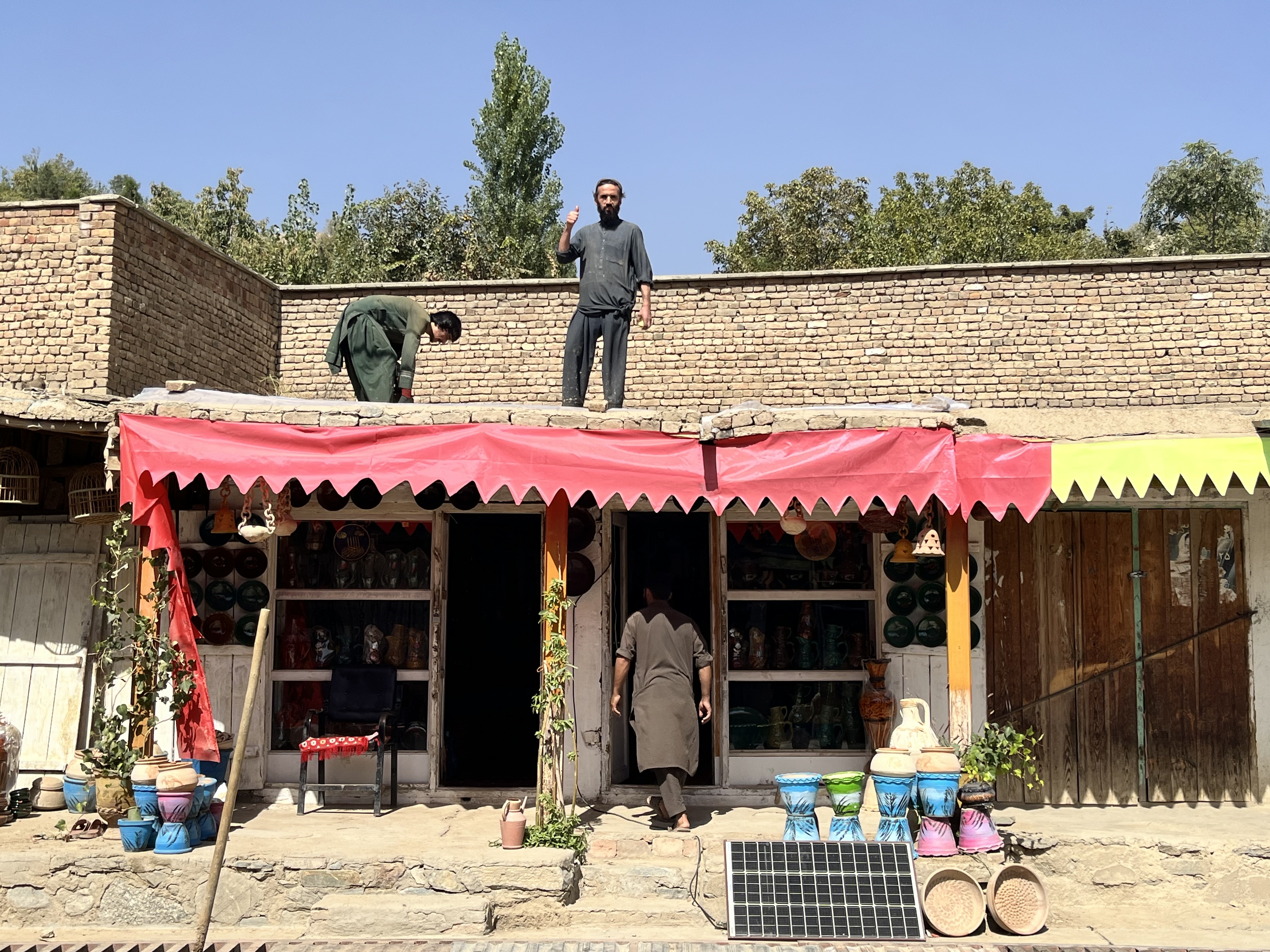
I always love learning about a country’s history and natural beauty, but I also loved just walking through a few of Afghanistan’s cities and villages.
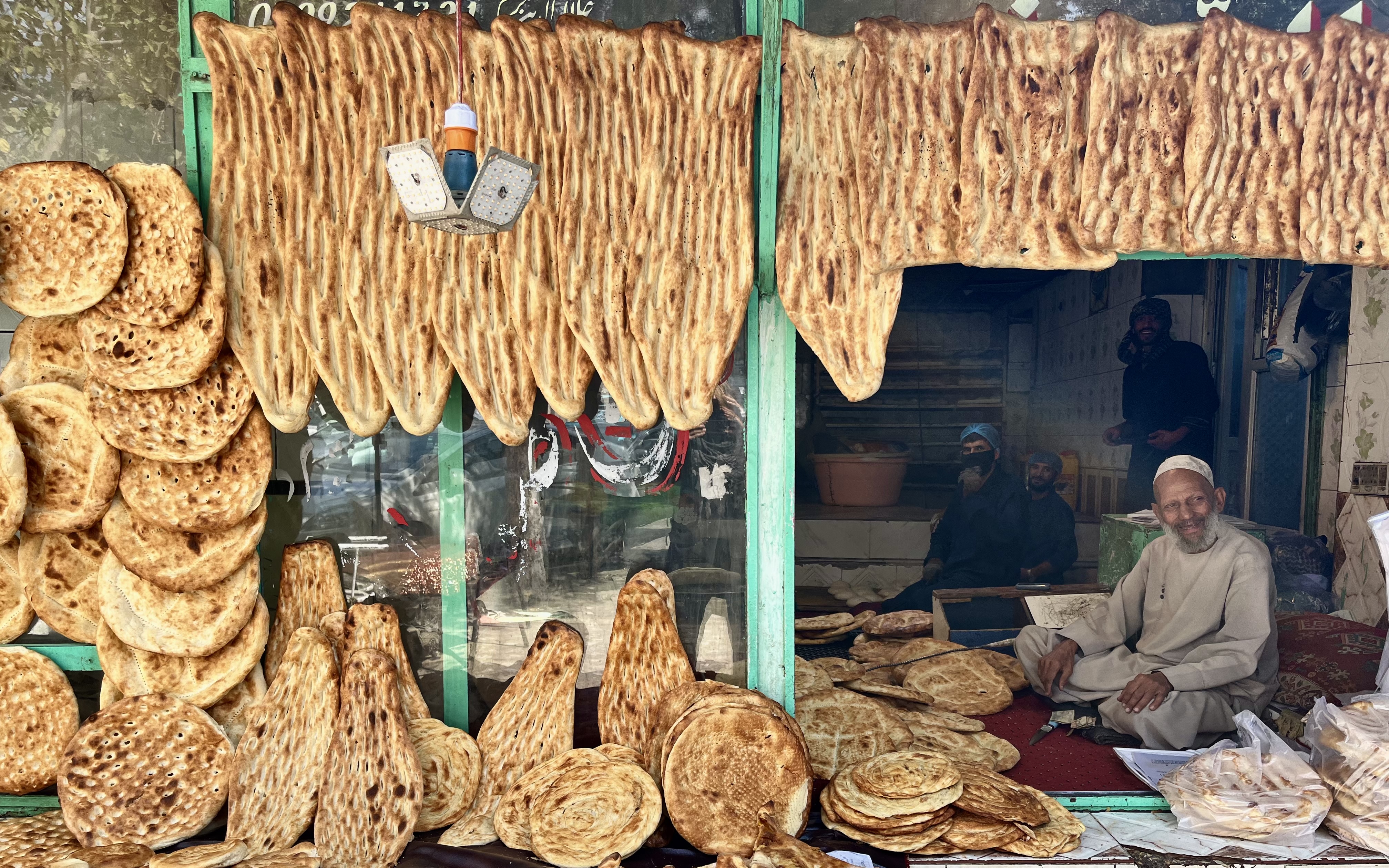
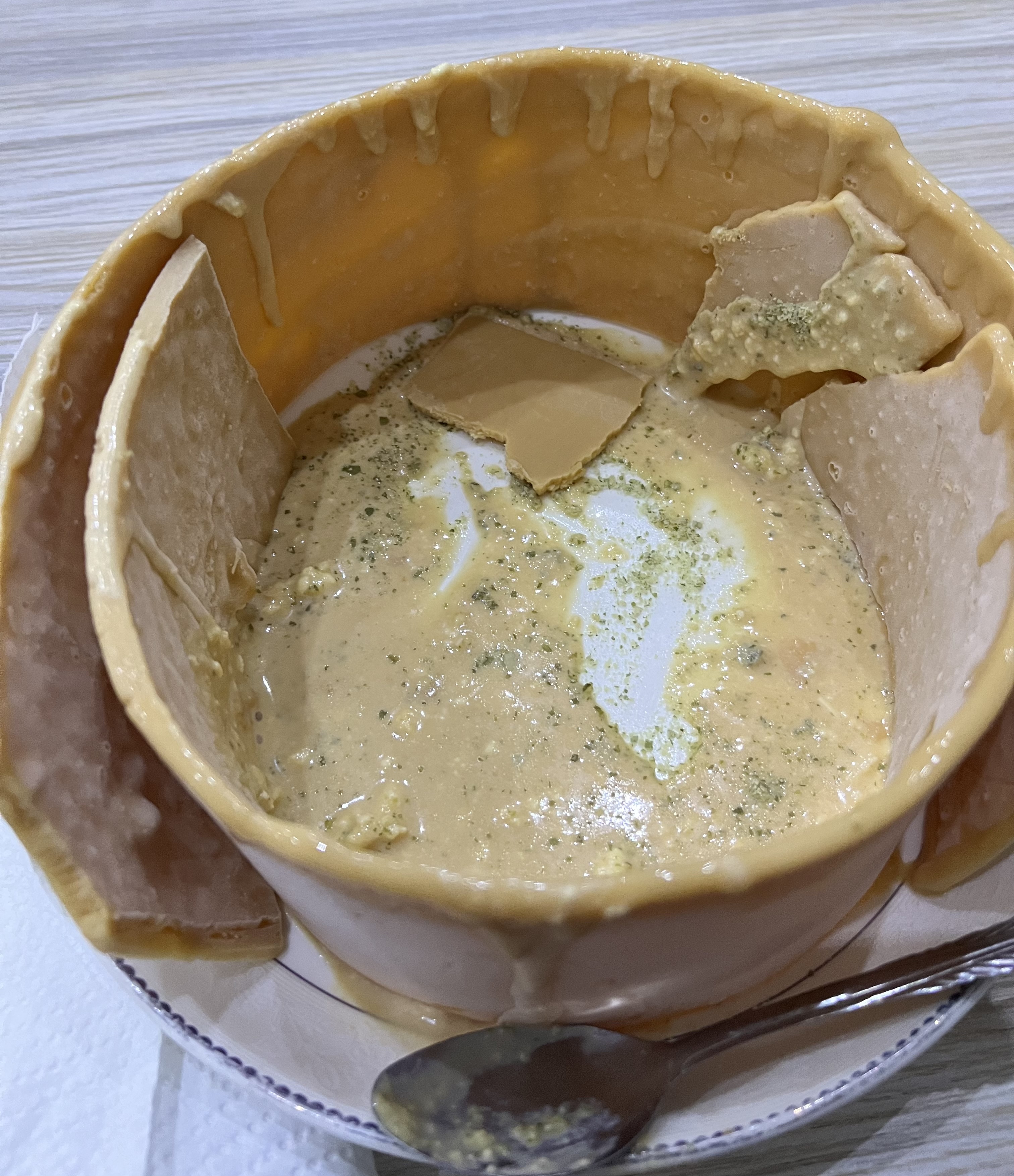
I had some wonderful meals, although sometimes there weren’t many choices for vegetarians. Afghanis eat a lot of meat kebabs, pilaf, and meat stews. My favorite dish was ashak, a vegetable-stuffed dumpling covered in a tangy sauce and seasoned yogurt. Afghan flat bread is a staple at every meal. Alcohol of any kind is not permitted in Afghanistan
My tour was with a local company called Let’s Go Afghanistan, and I highly recommend them. Their tour guides are very knowledgeable and professional, with so much kindness and humor — and problem-solving skills you hopefully will not need.
Afghanistan made me cry. We all deserve peace.
“Yesterday I was clever, so I wanted to change the world. Today I am wise, so I want to change myself.” Rumi

