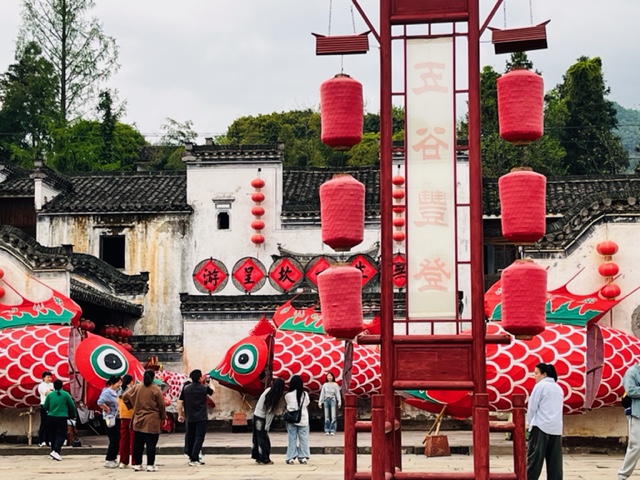
I just left China after four weeks of travel and, wow, it was one surprise after another. Whatever you’ve heard about the Chinese government and whatever is true about the Chinese government, it appears the Chinese government views its role as taking care of the many rather than the few. And it appears to be doing a lot to take care of its (very large) corner of the earth. It seems to be thriving. Explaining even what I observed as a tourist would require a short book, but I’ll just provide a few generalizations, with the understanding that these are my impressions combined with some simple research.
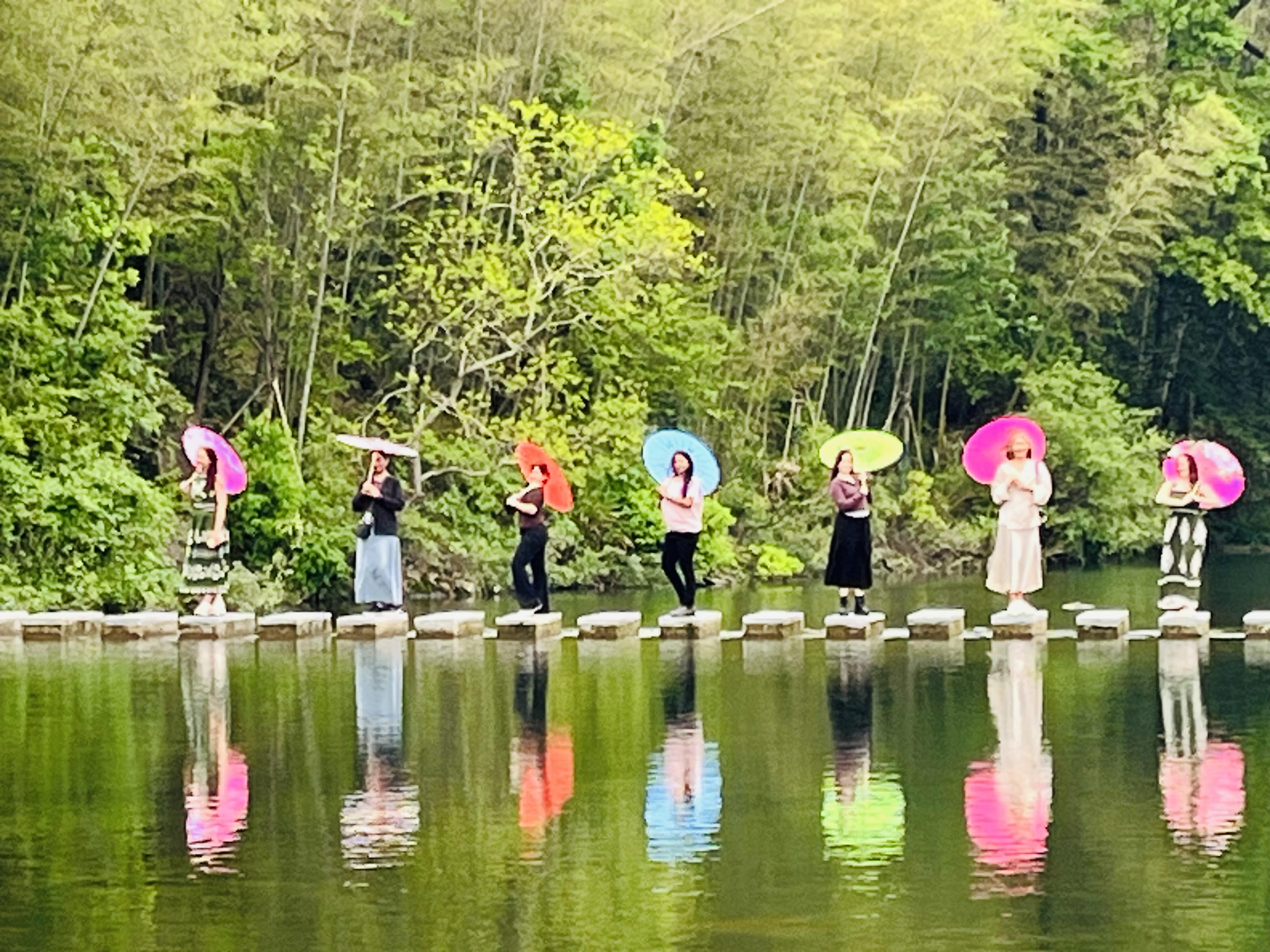
China is naturally beautiful and its government seems to be doing a lot to protect the environment. It has hundreds of parks and scenic areas that are closed to development and often flanked by gorgeous agricultural lands and traditional villages. The Chinese government has planted 78 billion trees in the past 50 years and it shows — the cities and countryside are full of them. Lots of Chinese ride scooters and every one of them is electric, so the streets are virtually silent. (My friend, Michael, calls the scooters “silent but deadly” because they pretty much rule the road). Many cars are electric as well. Bicycles are all over the place whenever you need one. There is not a scrap of trash anywhere, even in rivers that were once choked with plastic (Michael provided this reference as well). During my month in China, I observed almost no air pollution, even in Shanghai, one of the world’s largest cities.
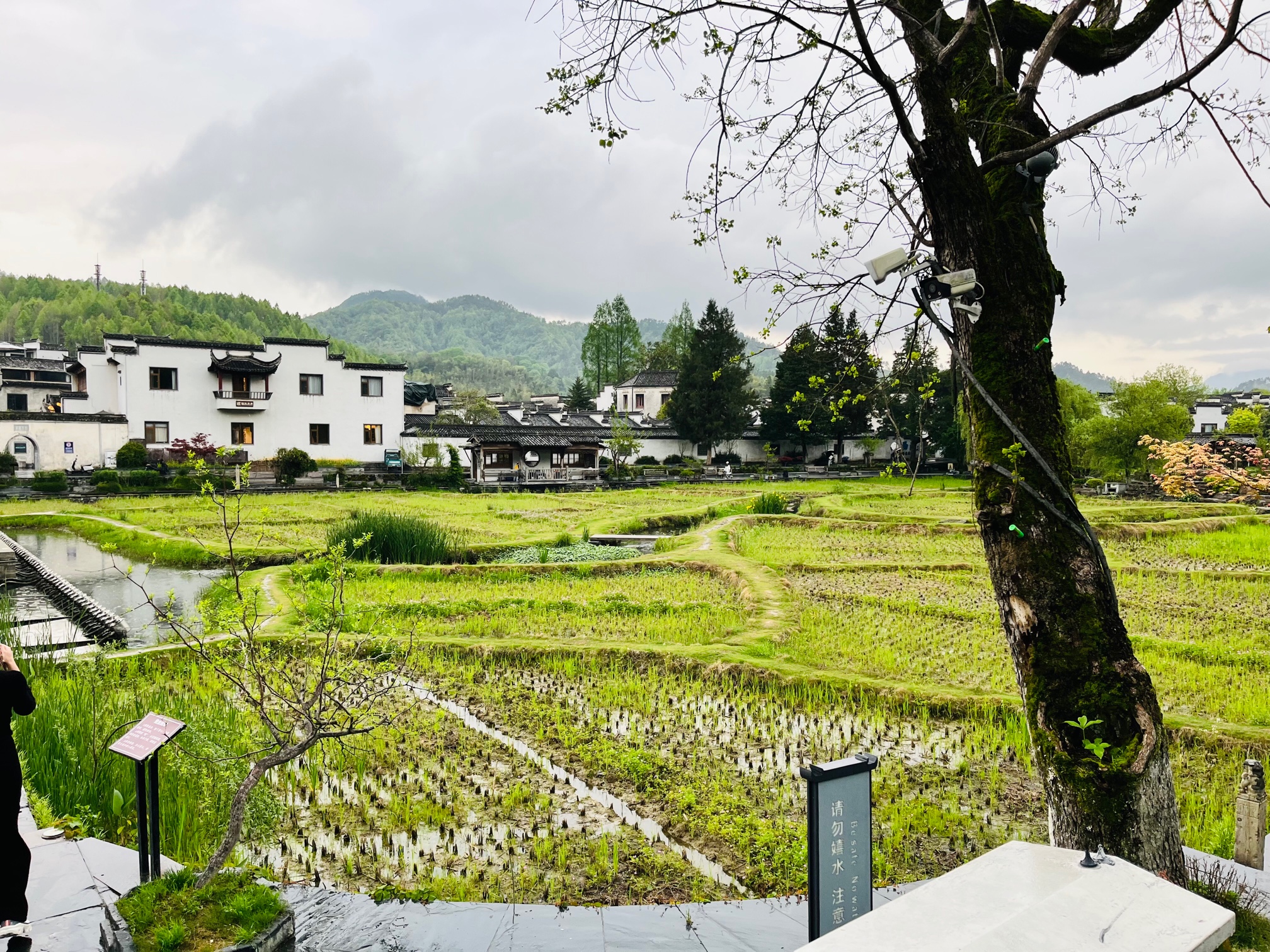
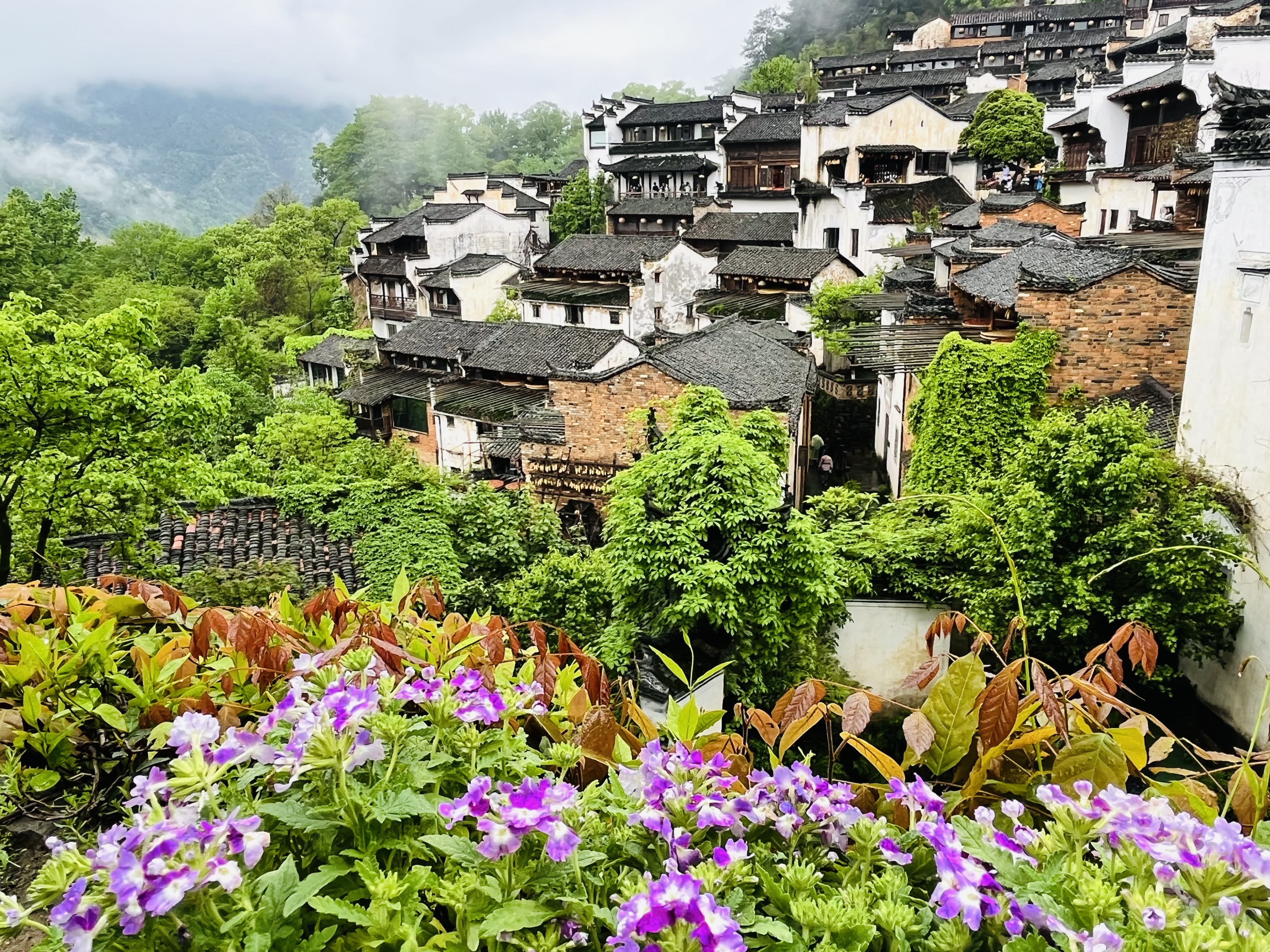
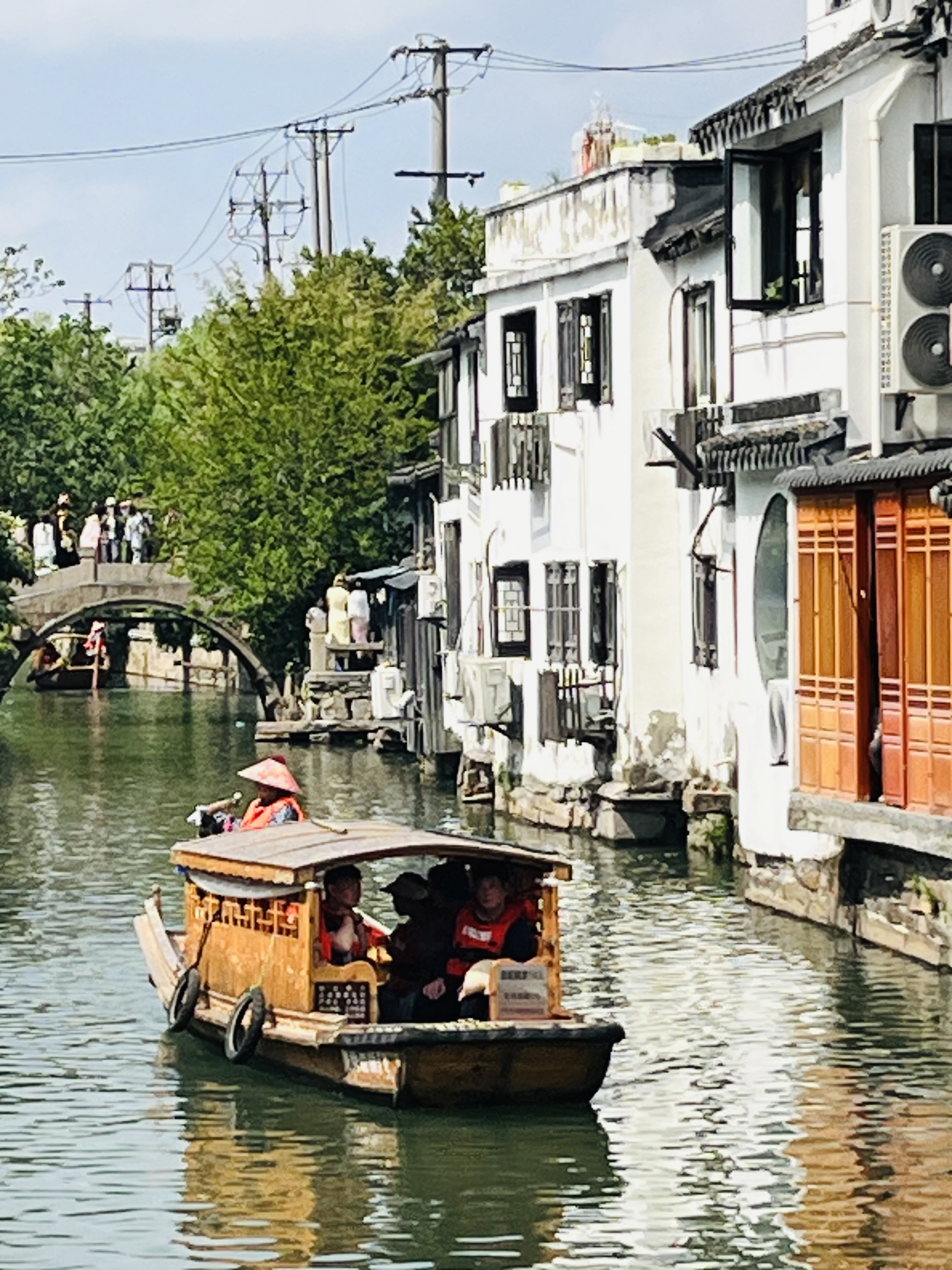
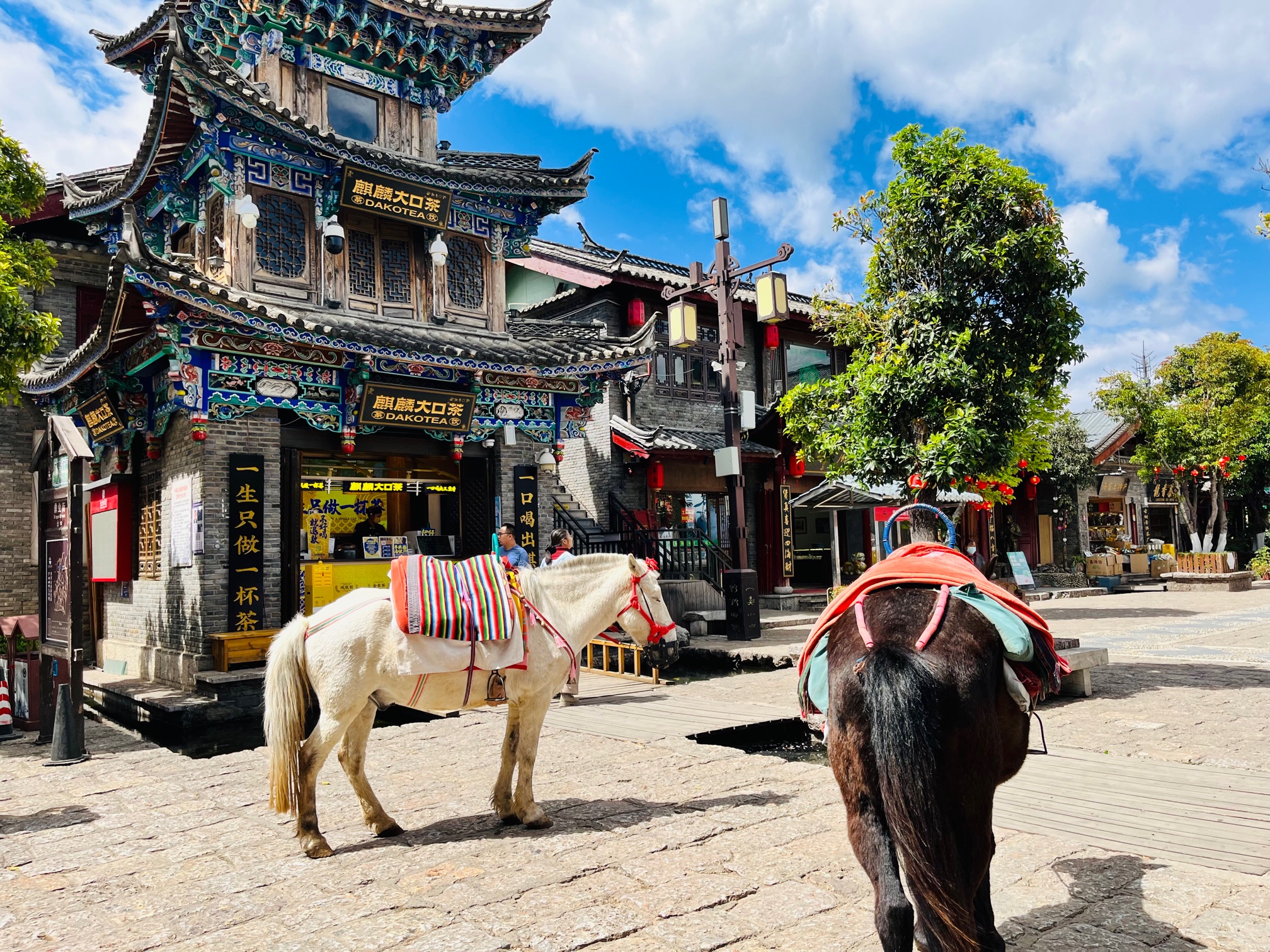
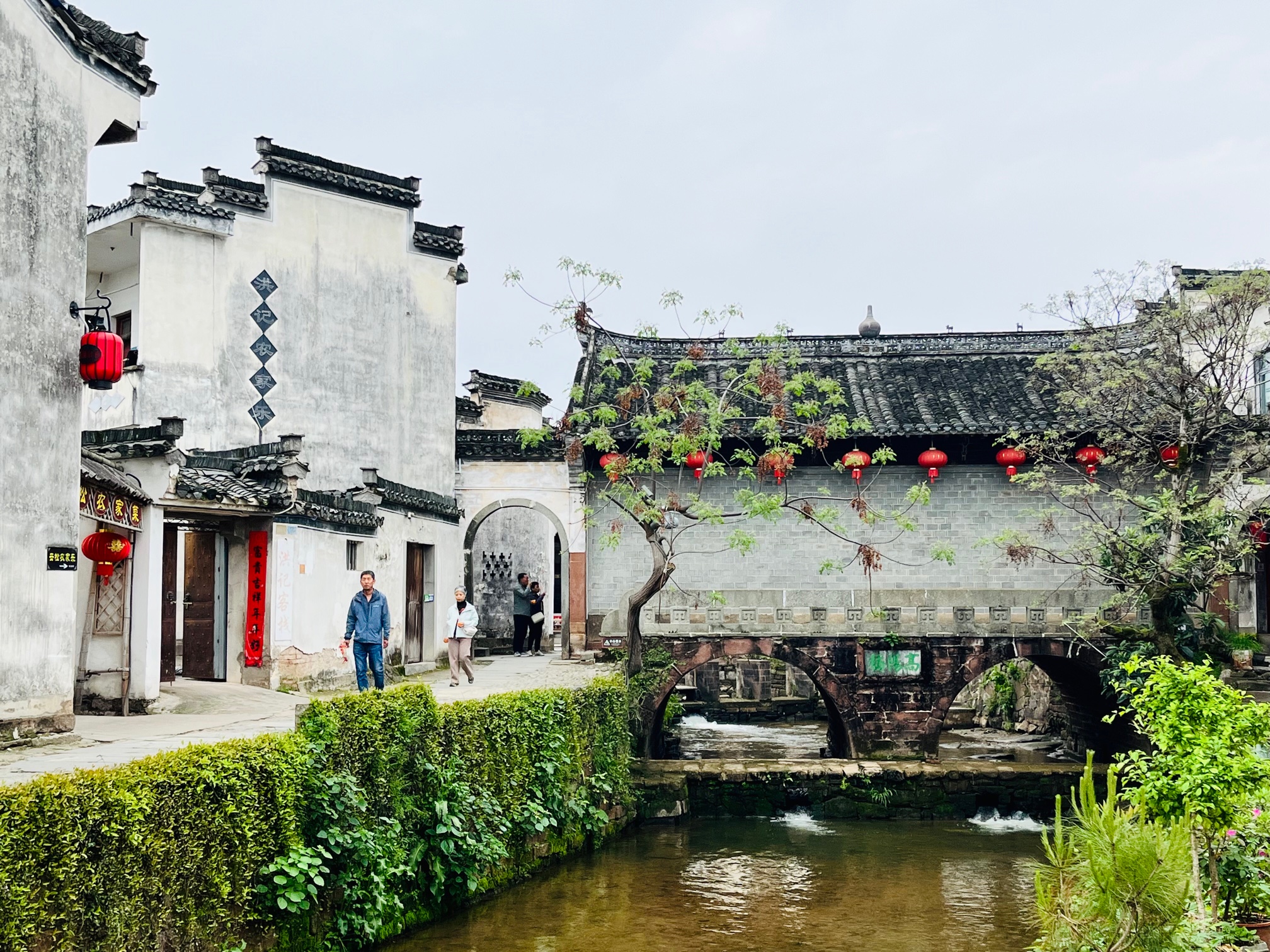
China has made huge efforts to restore its historical sites. Ancient villages are pilgrimage places for Chinese tourists, full of traditional foods, architecture, and handcrafts. Some of them are adorable, some regal, some earthy. Some are packed with pedestrians, but others are quiet and low key. My tour guide mentioned that many of China’s historic villages are designed to attract Chinese tourists who can’t afford to travel internationally, which I’d call a little bit of social justice.
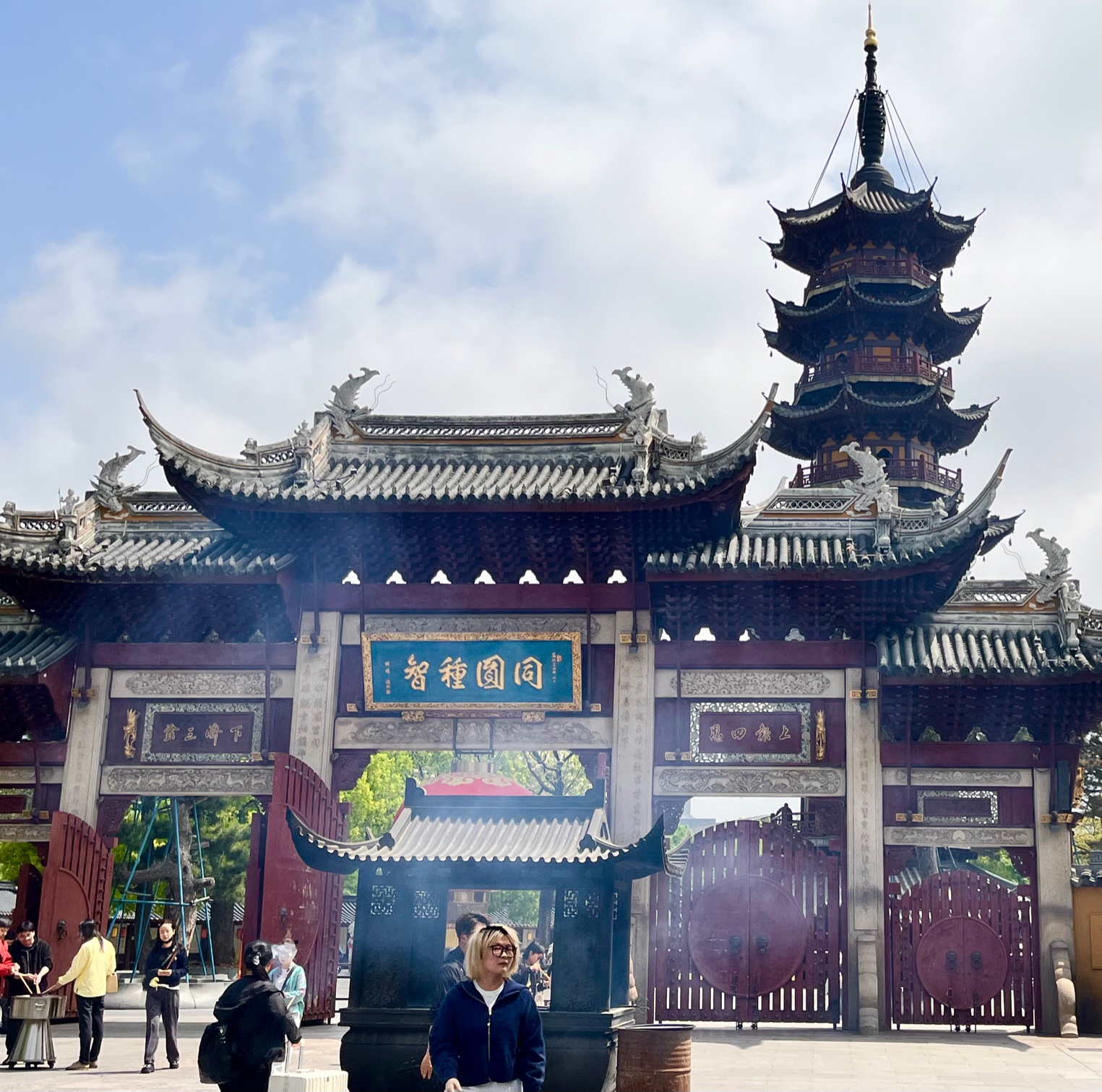
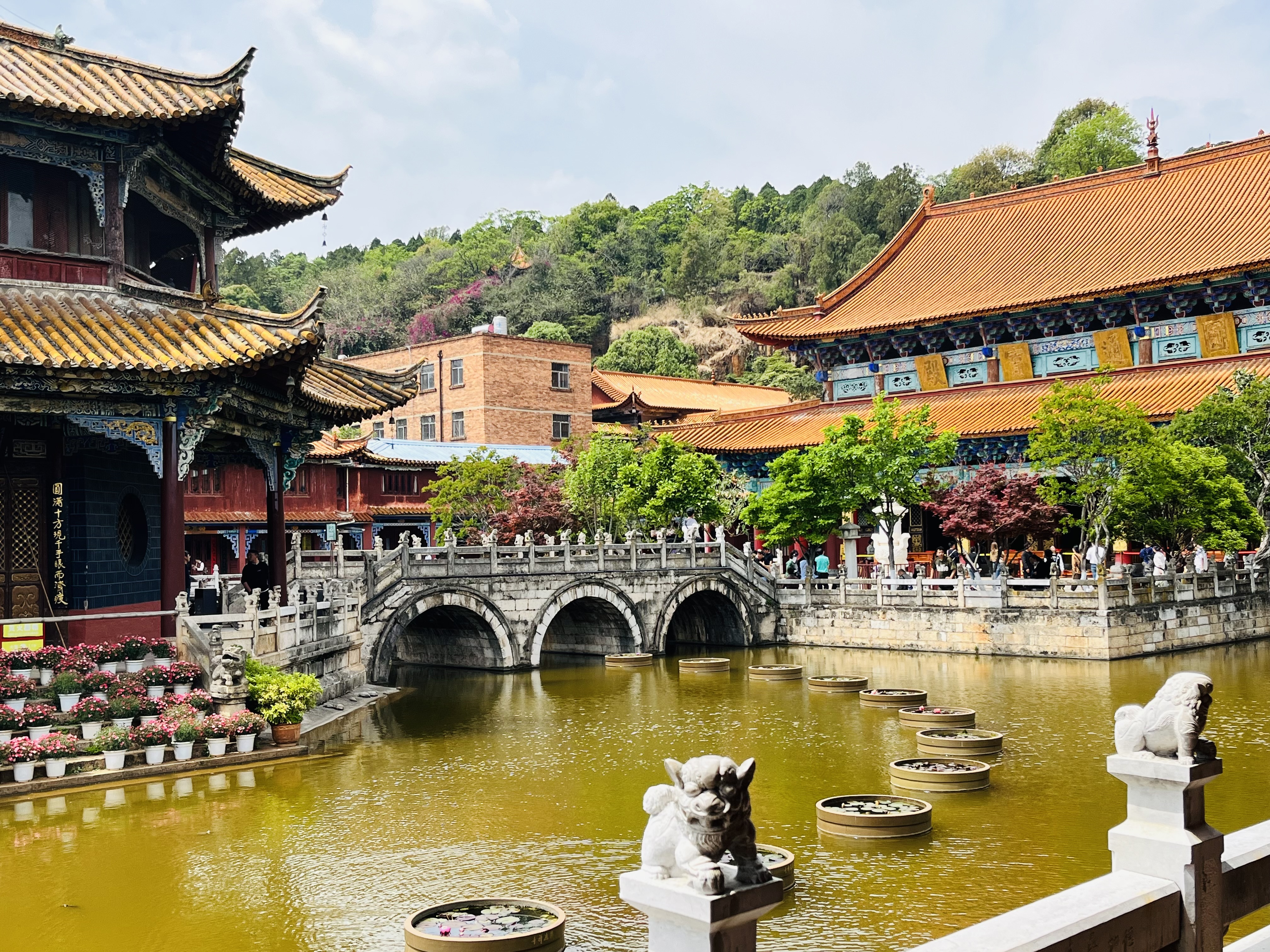
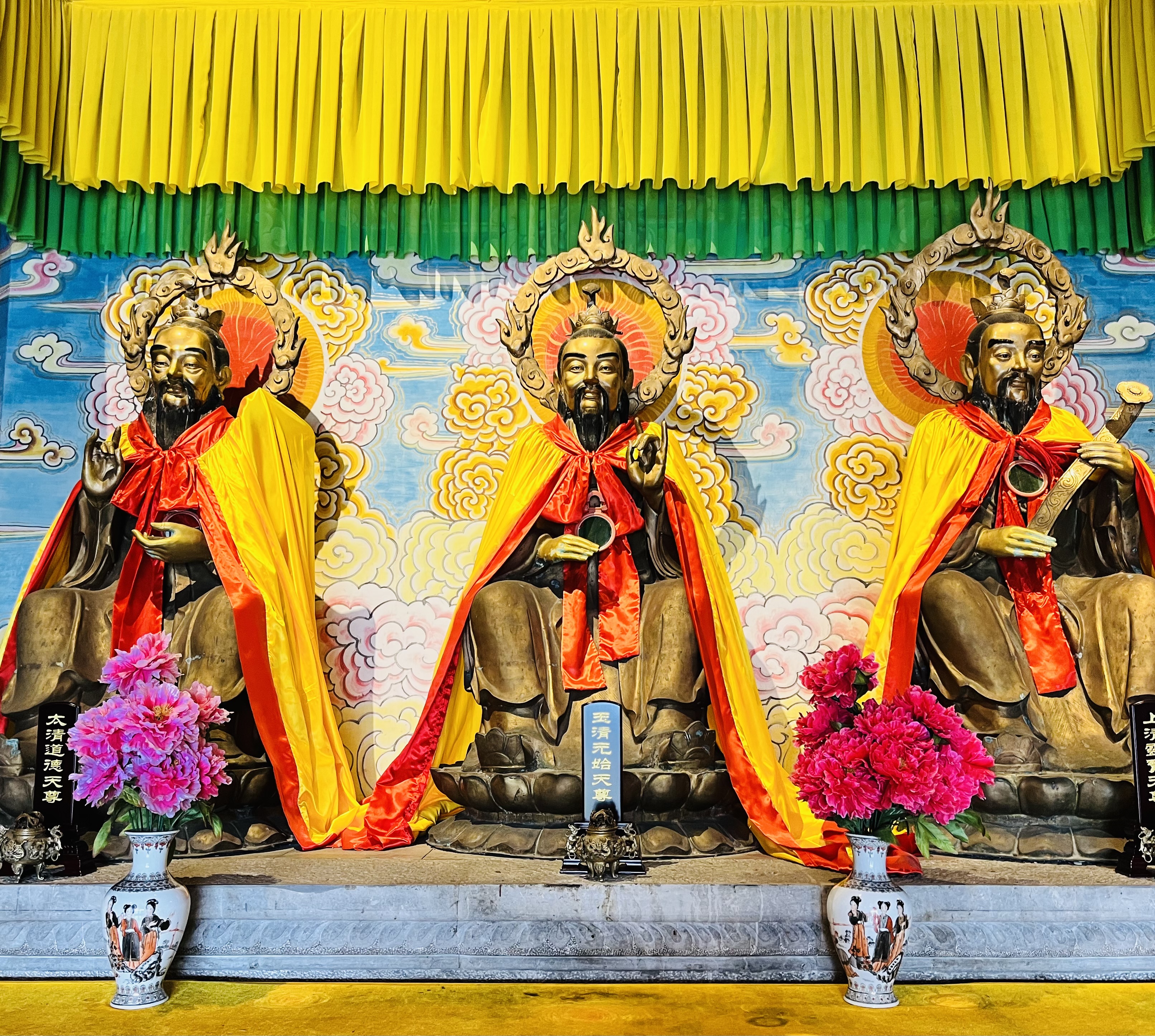
Temples — Buddhist, Taoist, and Confucian — are also packed. Many were destroyed during the Cultural Revolution but the Chinese government has restored many and they are stunning. As a vegetarian in this meat-focused culture, I also appreciated that many temples serve vegan food, usually for less than $6.
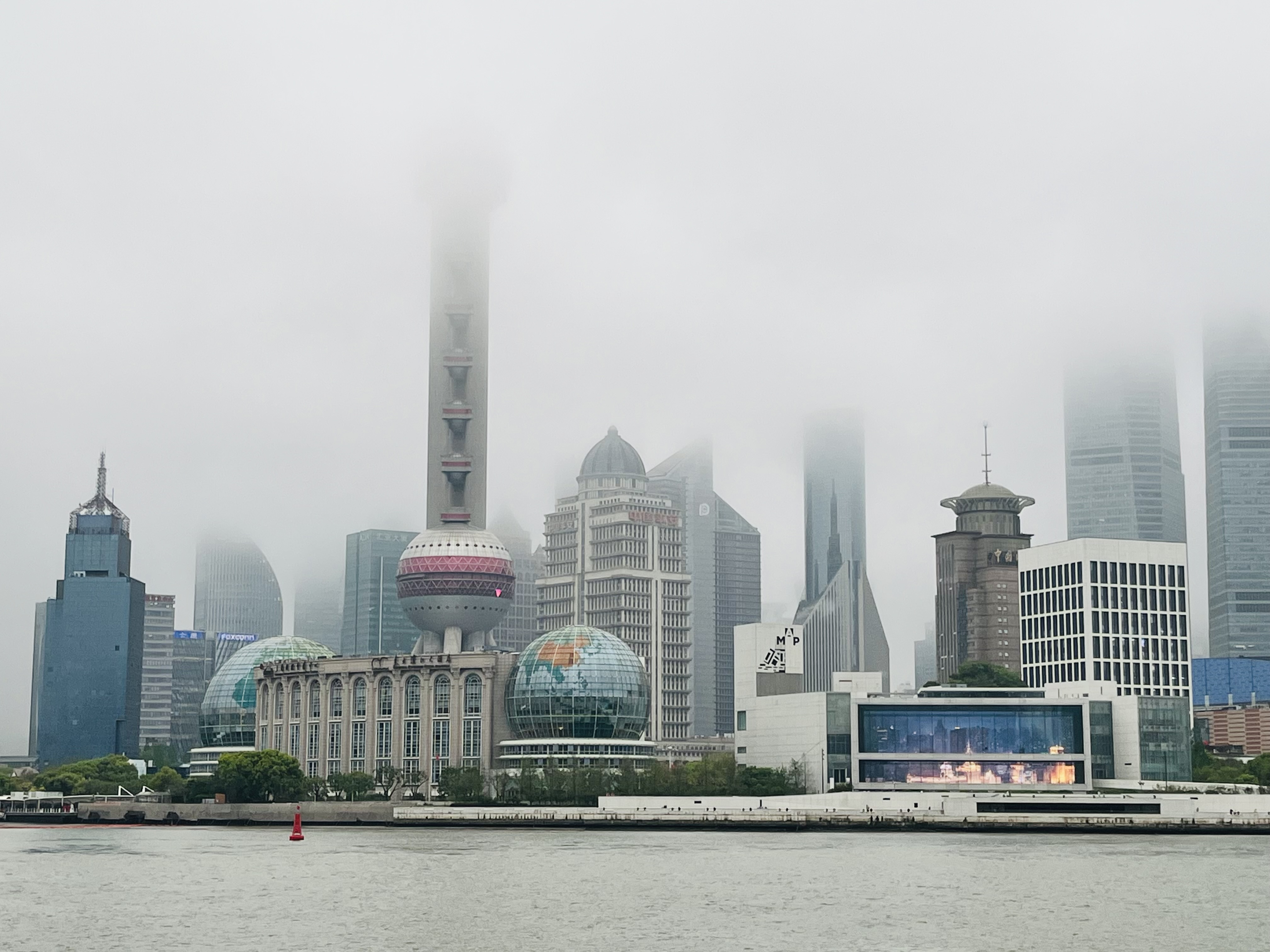
The cities are loaded with innovative technology and architecture. I didn’t visit those that are most well-known — like Chongqing and Shenzhen — but downtown Shanghai was impressive, with lots of public spaces, restaurants, and retail of all kinds, from Prada to small kiosks selling t-shirts.
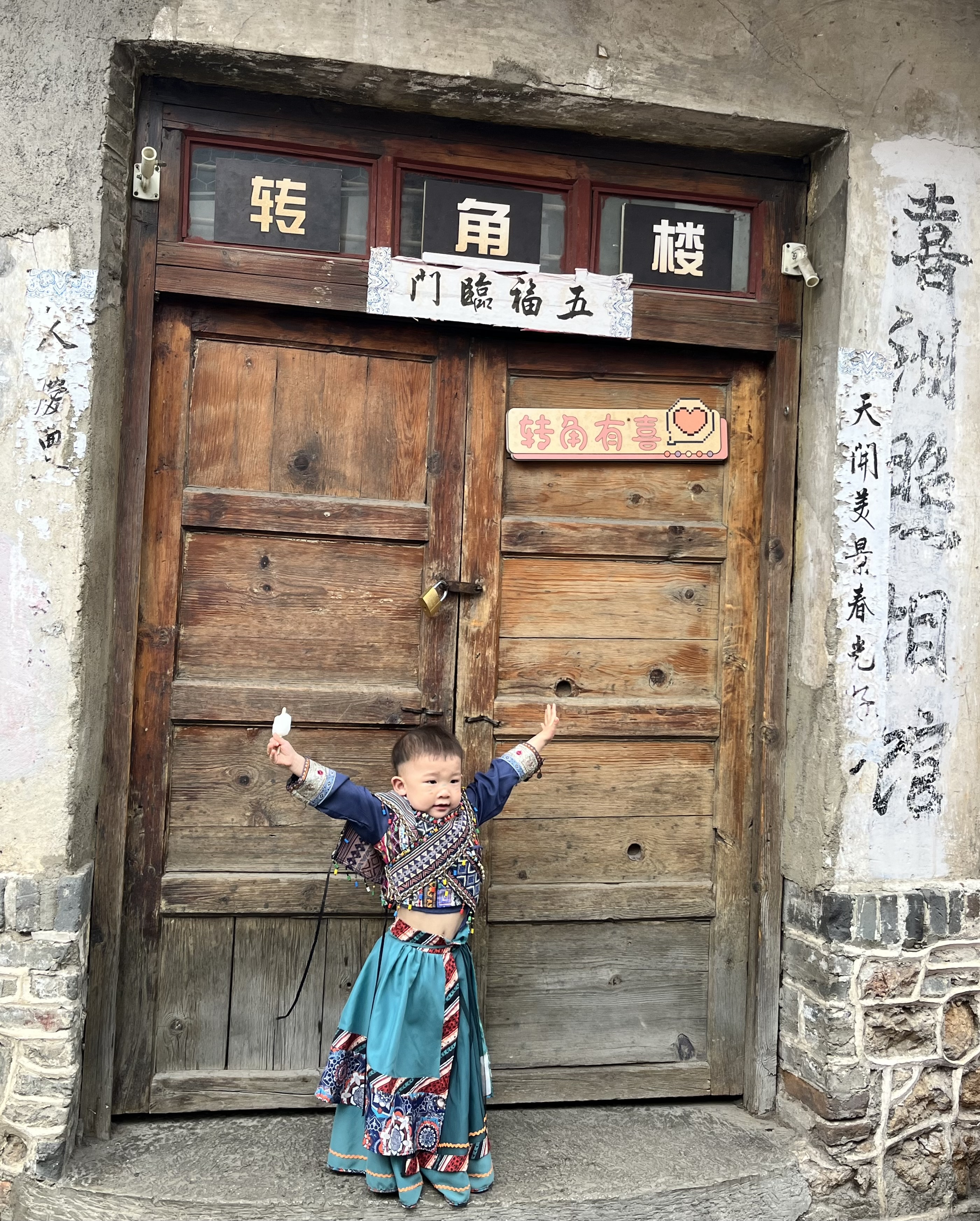
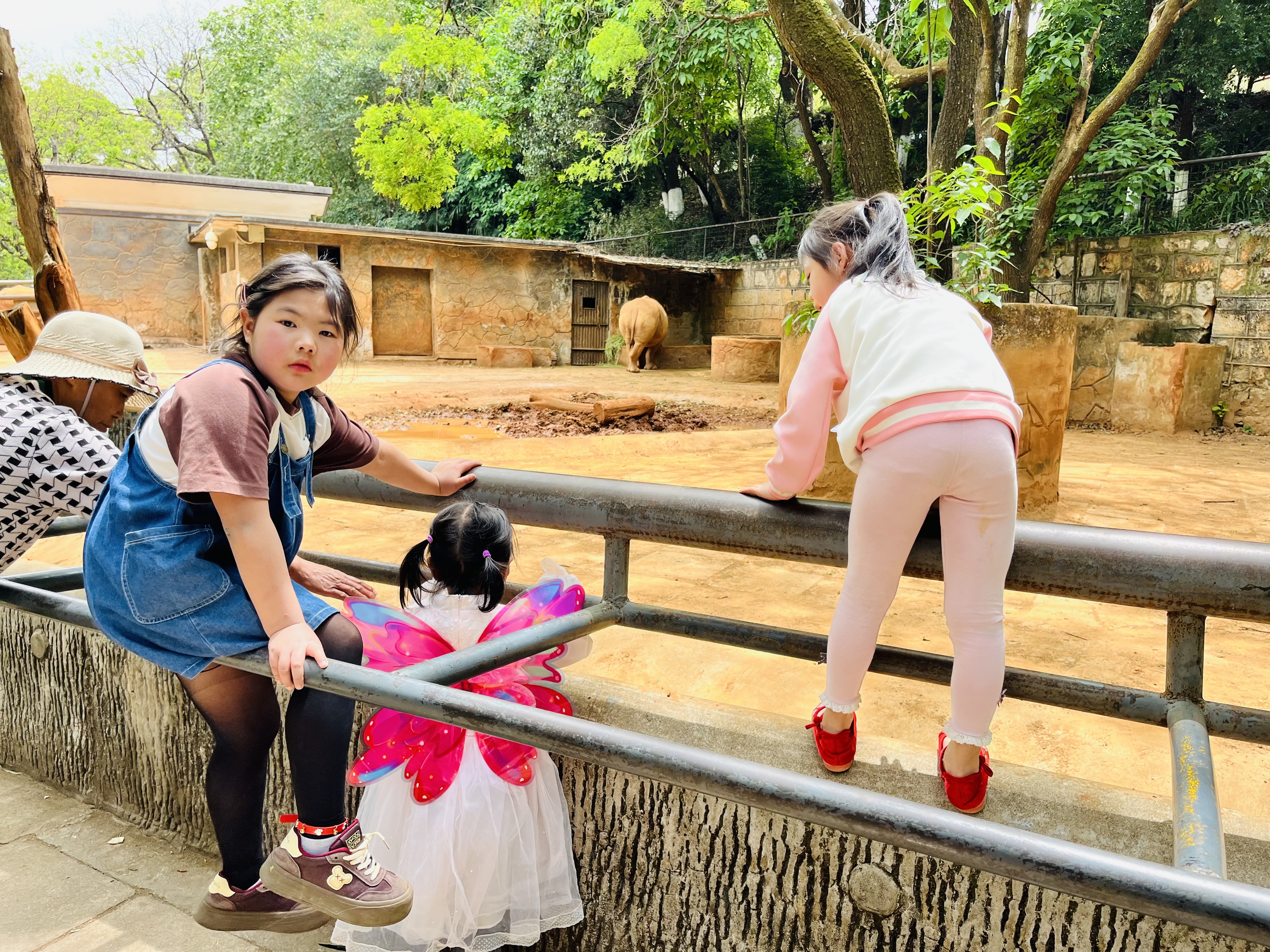
There is a feeling of community and family in China. Children are everywhere, often with grandparents. There is not a feeling of pent up hostility or stress, even in the cities I visited (I shouldn’t presume to measure the “feelings” of a community but I can tell you what I sensed). Retired people are out in the parks every day practicing Tai Chi or dancing. The economy isn’t good in all sectors and homelessness has become a problem according to reports I’ve read, but crime seems to be virtually non-existent (yes, China has a lot of government surveillance technology, in contrast to the US which has corporate surveillance and ICE raids so…).
China seems to have created a miracle with a strong centralized government and private ownership of businesses. Like every other government, it’s not perfect, but it faced huge challenges after a period of extreme hardship in the mid-late 20th century. In the past 40 years, its economic strategy lifted 800 million people out of extreme poverty, and about a third of its 1.4 billion people are middle class.
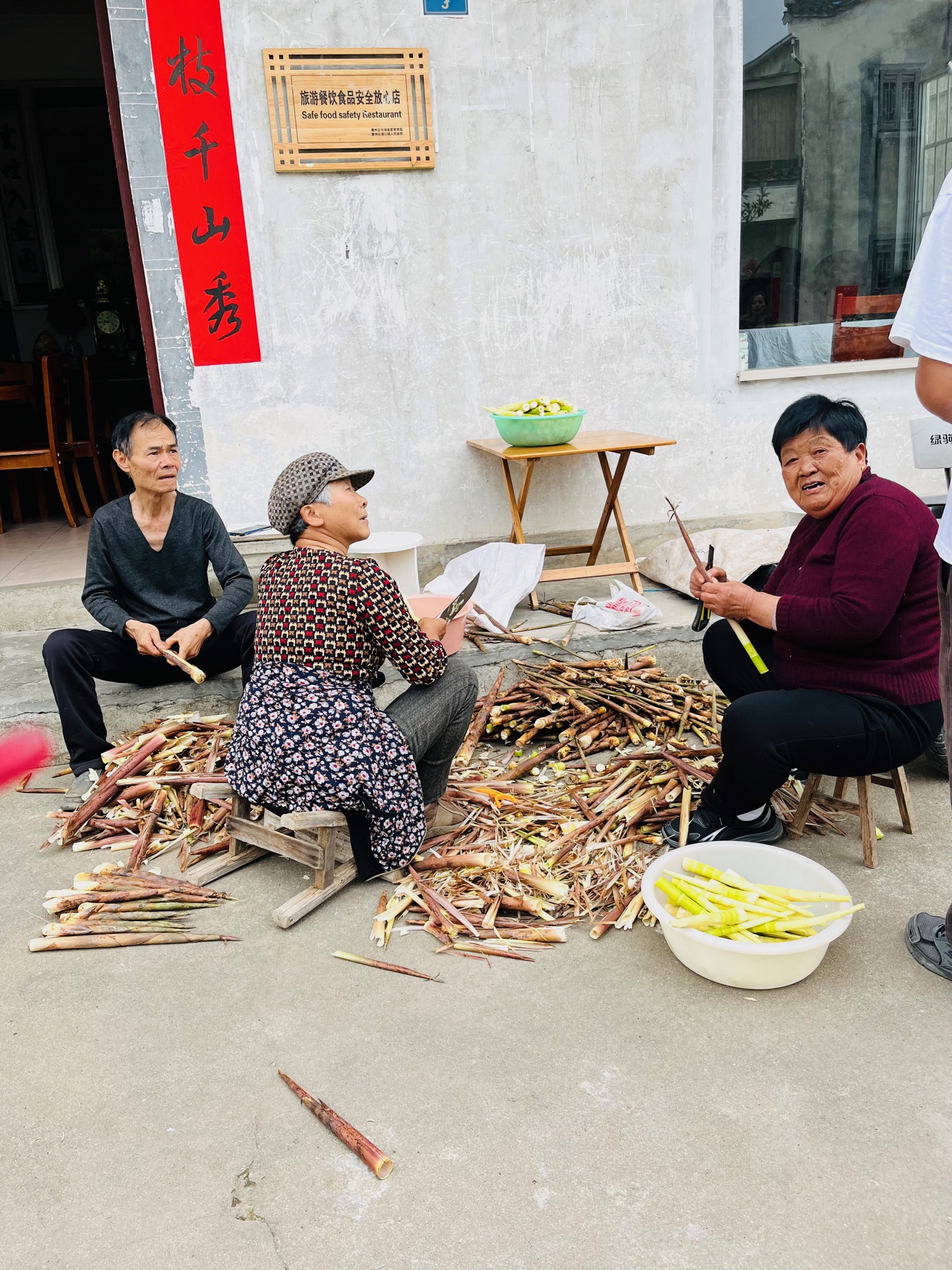
China should be on every traveler’s list. For independent tourists, it has some challenges — not overwhelming, just different. First, very few people in China speak English, even those working in the tourist industry, Fortunately, phone apps (and hand waving) facilitate communications. Additionally, the government’s control of information technology doesn’t permit access to many of the platforms Americans rely on. There are ways to get around this with VPNs and Chinese apps. l had issues, but none that were critical.
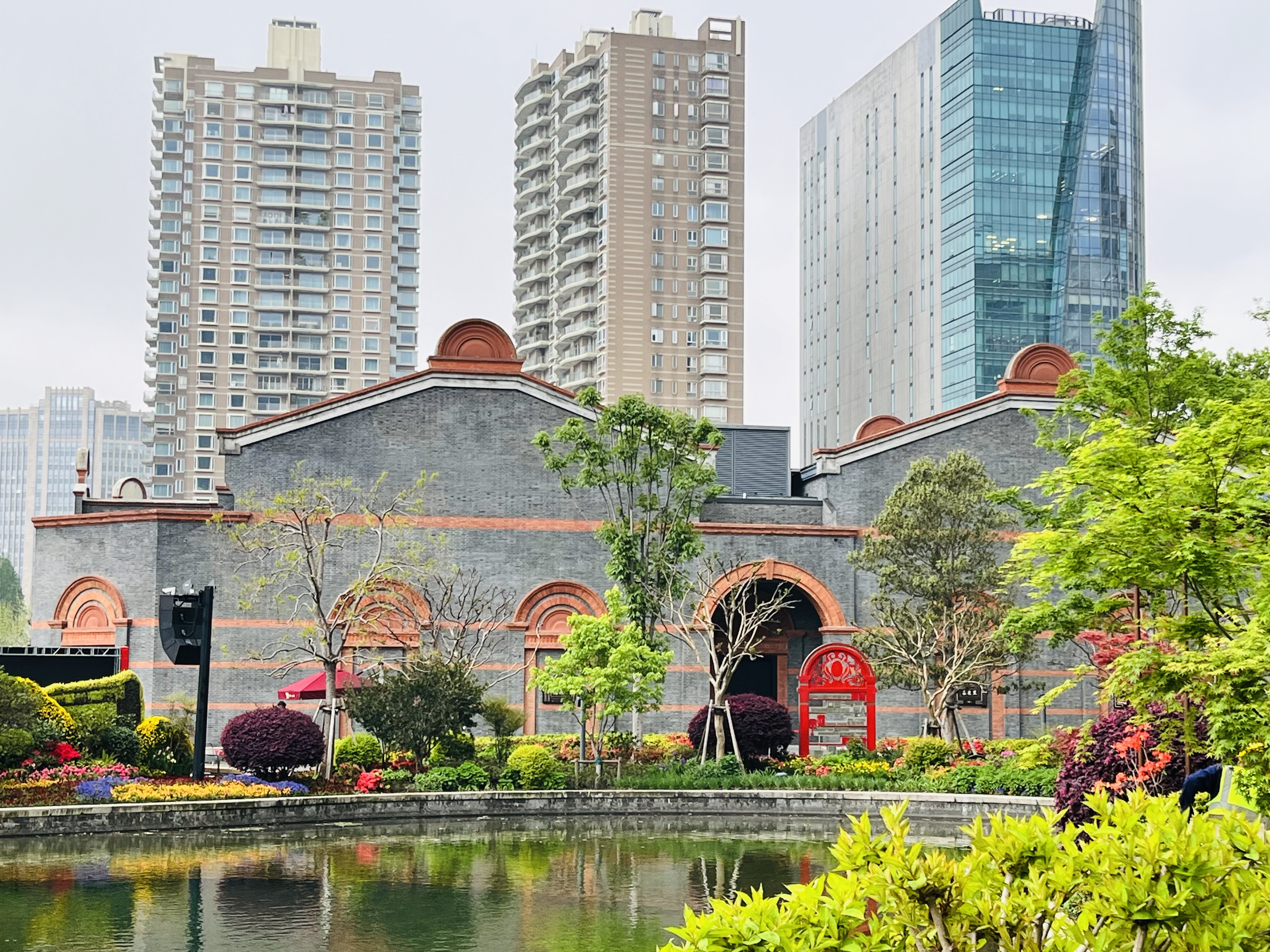
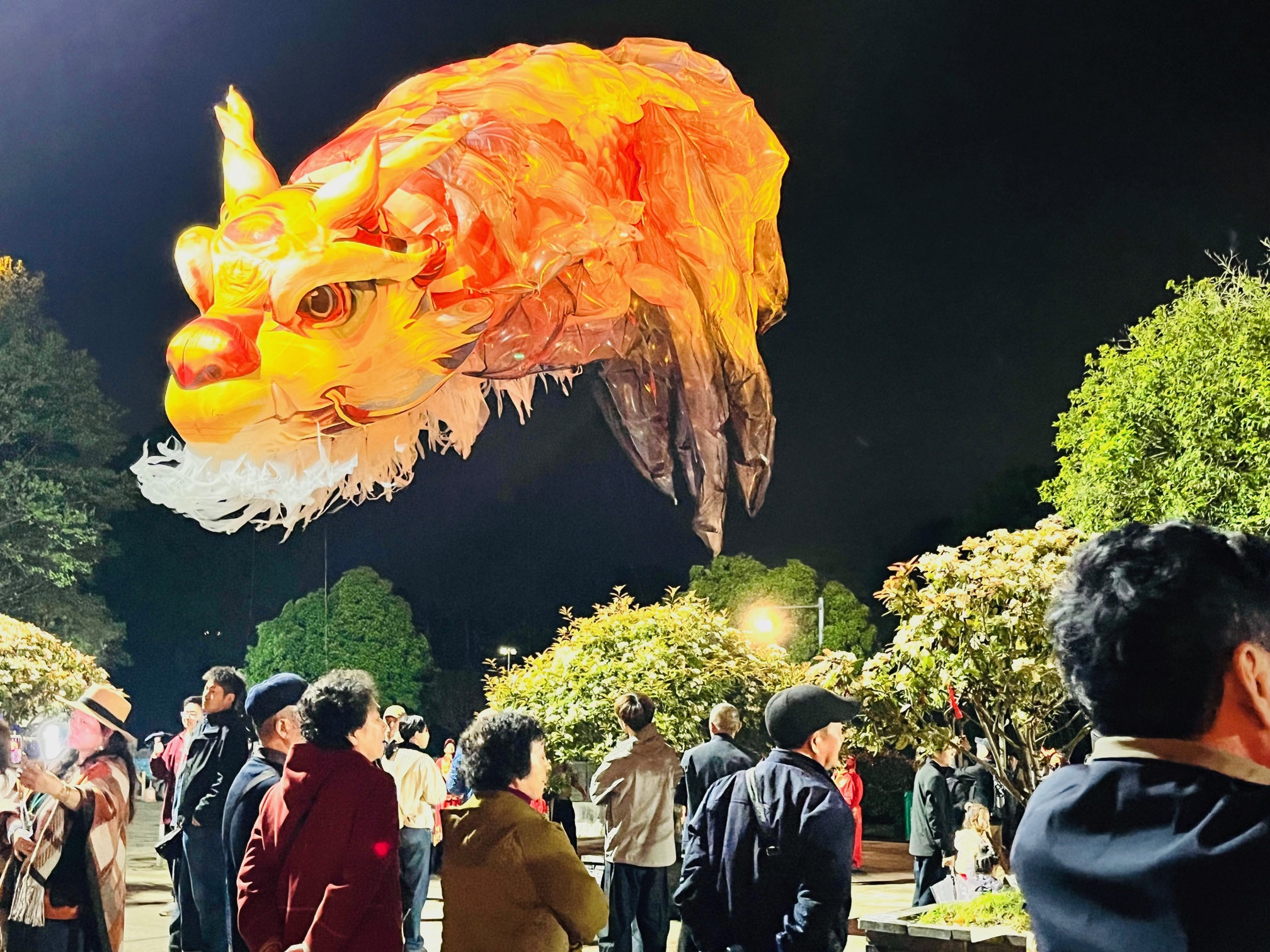
Mostly, it’s easy to travel in China. Hotels and food are very inexpensive. High speed trains go everywhere and they’re cheap. Local transportation is easy using subway systems and ride apps. And China is fun. During my month of travel, I inadvertently came upon many celebrations of China’s traditions and history with festivals, parades, food and, of course, fireworks. It is the most photogenic place I’ve ever been. And I saw almost no American or European tourists in my four weeks of travel in six provinces. So it’s a great time to go!


Vast impressions packed into brief, compelling writing. Amazing job, Kim. And stellar photography, of course.
Thank you xoxoxo
As usual, Kim, your commentary is full of details not easily found. You make traveling seemly effortless…
What follows?
c
Thank you! Travel is just like life — sometimes effortless, sometimes not.
I’m in Vietnam 🙂
You have never posted a piece raving about a country such as you have here about China!
You are not usually so effusive about governments and are never easily impressed by them… so, I am impressed with your account. Having not been there for 20 years, China appears from what you have shared to have made enormous strides in many areas happily including their environment as well as their economy. To achieve such important outcomes in a relative blink of the eye is a huge and perhaps unmatched achievement! I am glad for its residents, albeit I still worry about governmental censorship, its one party system, its treatment of ethnic minorities and the standard of living in rural areas and remote urban areas which were “difficult” when I was there.
The thing that impressed me most on my visits back then was the uniformly high quality of government officials with whom I met. The high ranking women and men in government I interacted with were top notch in terms of their breadth of knowledge and long term strategic thinking and they were quite realistic in terms of recognizing obstacles to their seemingly completely shared goals. To compare them to what I observed back then in California and the USA would have been sadly laughable. The more technical folks and the high managerial people I met were fully versed and in synch with the policy goals they were pursuing and were seriously dedicated to their achievement. And I got an almost otherworldly sense of patience and confidence from all of these people that a better future for all citizens was there as they all pulled together in the same direction.
I guess good government matters.
Yes, good government matters and China has many of its own problems. Xi recently said, “We do not seek to control the world, but to liberate it from those who believe they own it.” I couldn’t find this on mainstream media and AI reported it as meaning exactly the opposite of what it says. If that isn’t government/corporate censorship, I don’t know what is.
Wow! i agree.
Your photos are stunning, Kim. I’ve come to trust your impressions of the places you visit and I’m happy that China has captured your admiration.
Thank you so much!
Great captures!!
Thank you!