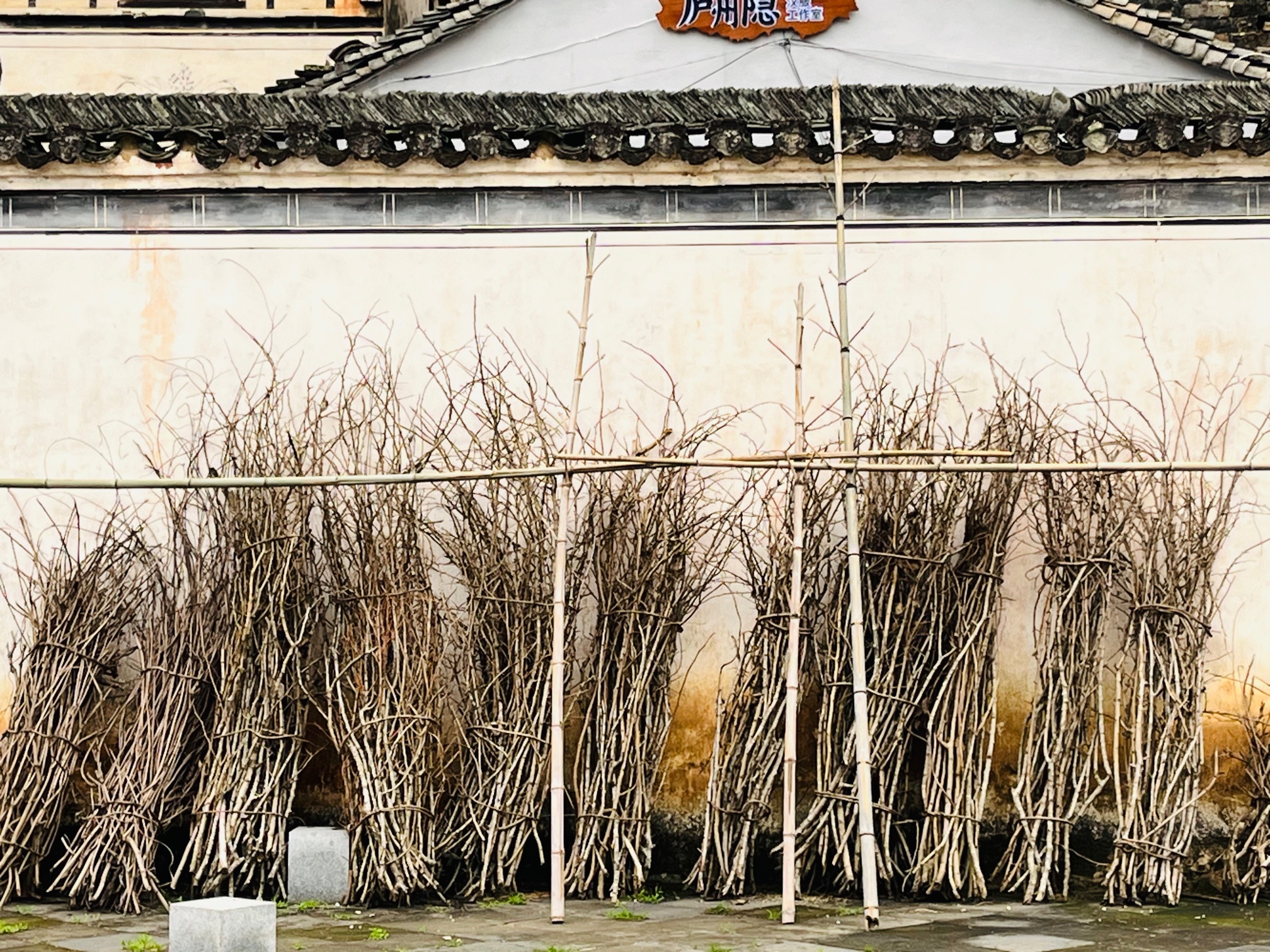
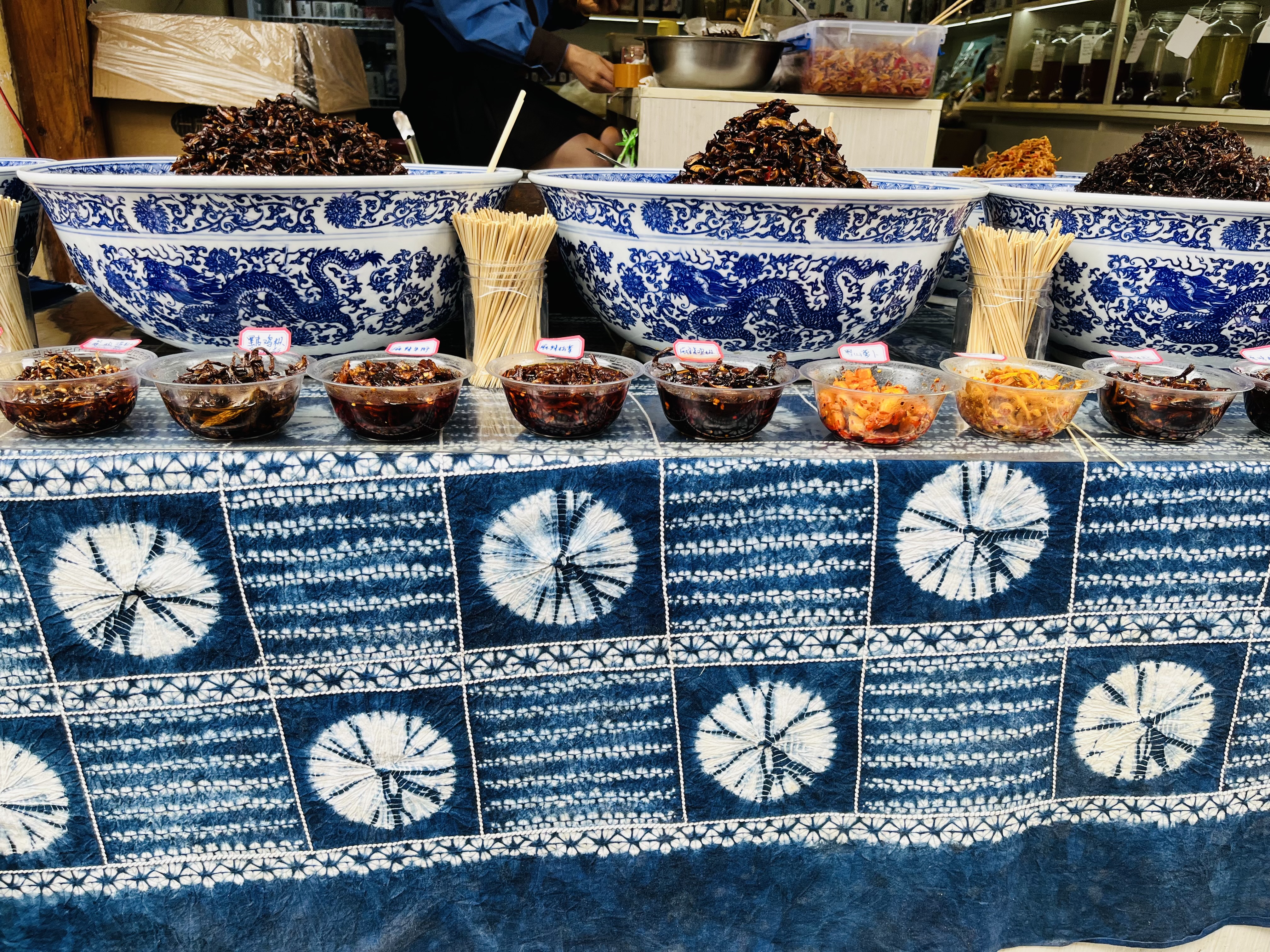
My month in China was one beautiful scene after another. The natural environment is gorgeous and so is the formal art — paintings, architecture, sculpture. But even more, I loved the art of everyday things in China — the art you don’t find in museums — like the ways shopkeepers display their goods or design that is incorporated into packaging or how people tell stories in ways that are accessible to everyone. These small ways people express their love for what they are selling or a little part of their environment are gifts to the rest of us.
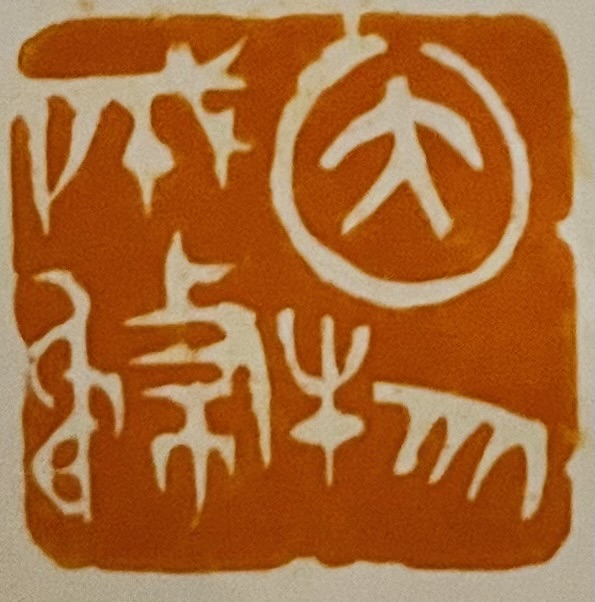
In China, most of the designs and art I loved were based on traditional themes. Maybe most obviously, Chinese characters are artwork all by themselves. Chinese calligraphy has been a form of high art for thousands of years. But it doesn’t have to be created by artists to be beautiful and tell stories. I bought a chop that I watched a craftsman engrave with Chinese characters. A chop is an official or personal seal, often cut into stone. This one says something like “success comes with a sincere heart and deep feeling.” I like the meaning and also that the characters look like a person and animals.
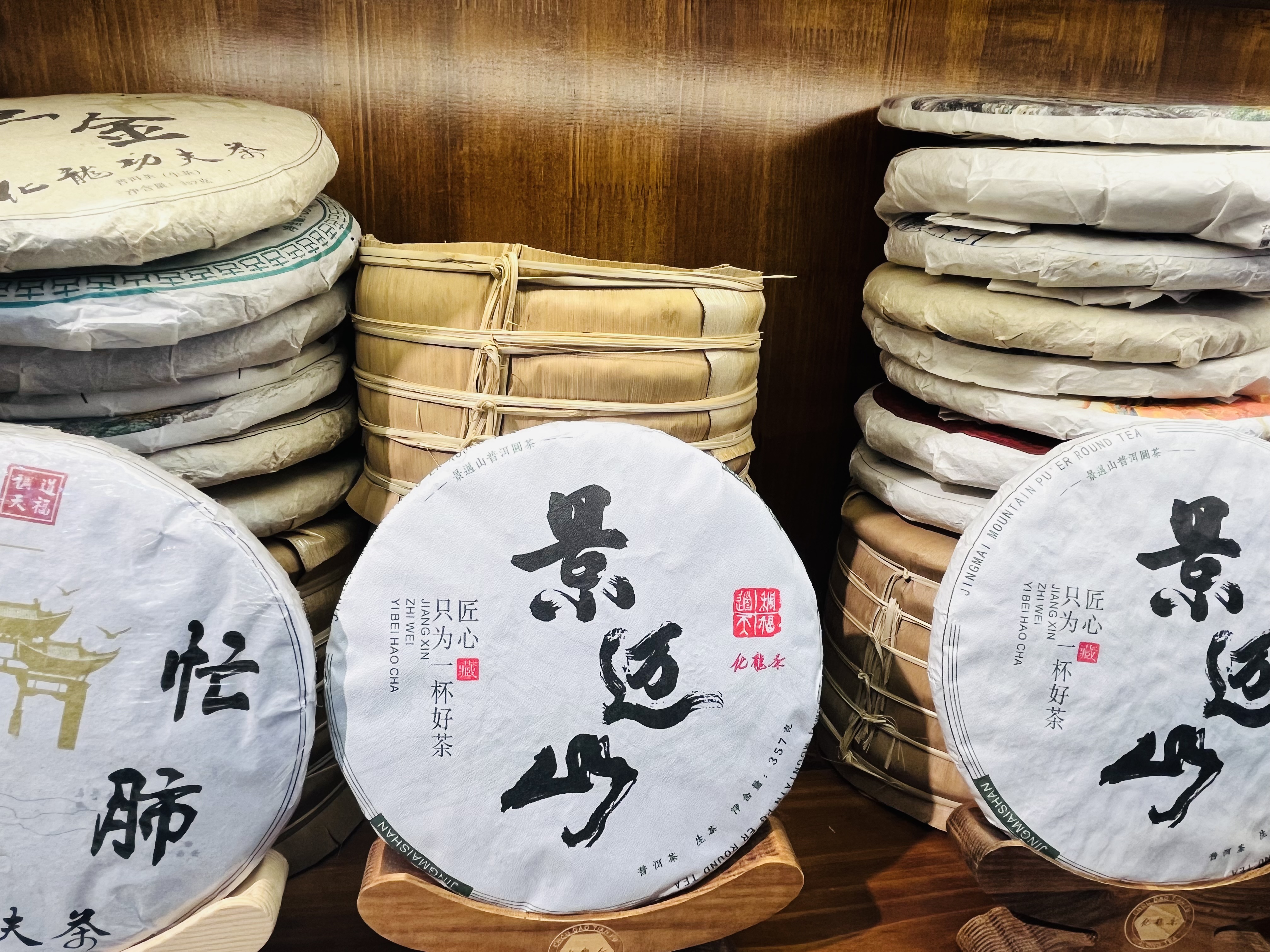
I also found beautiful calligraphy on packaging. Yunnan Province is famous for its teas, especially one called Pur’er, which I think is always sold in discs that are wrapped in paper, usually with lettering on it.
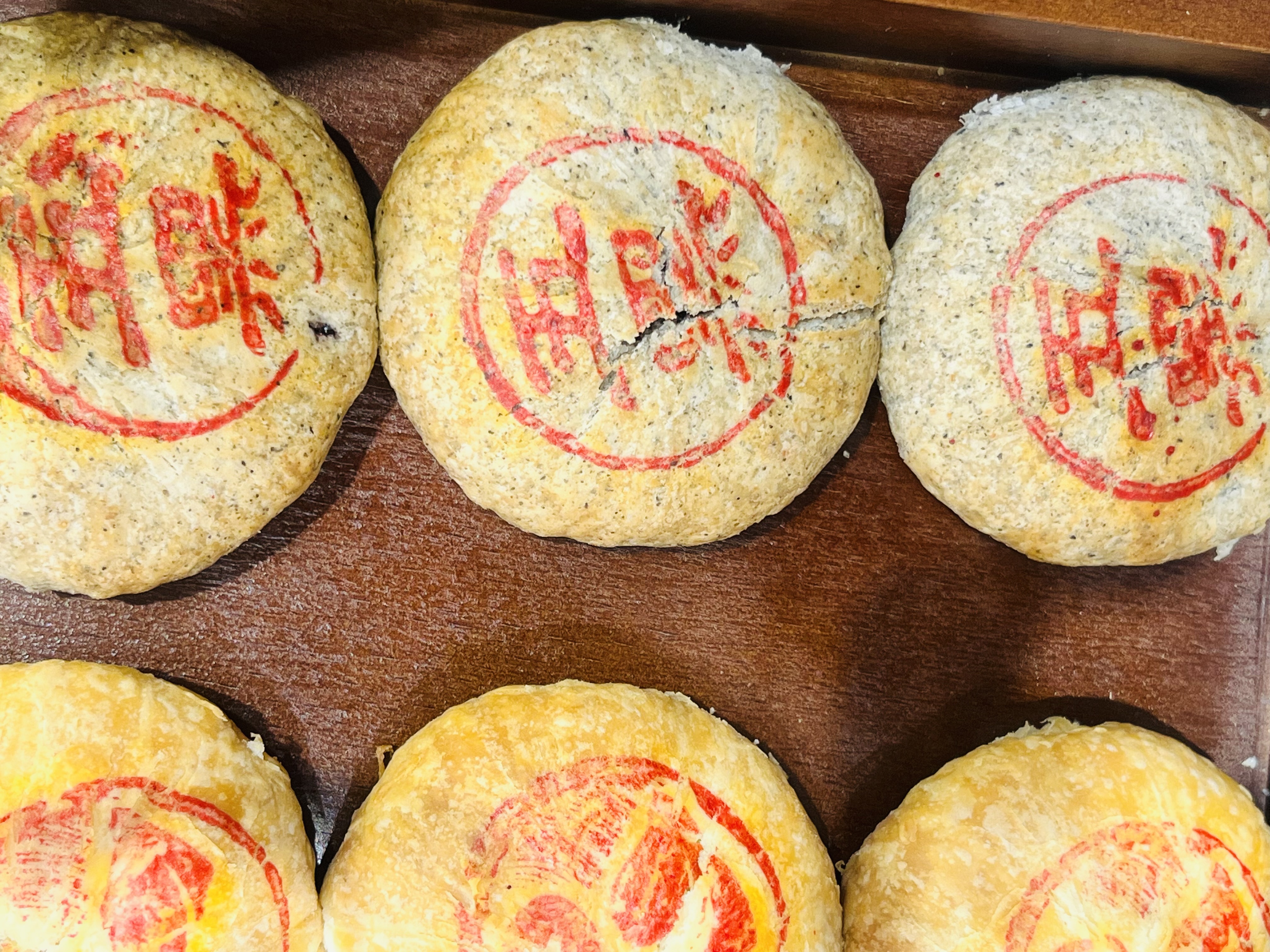
Pastries are sometimes adorned with Chinese letters. Yunnan Province loves sweet buns, often filled with paste made from flower petals — and sometimes stamped with Chinese characters.
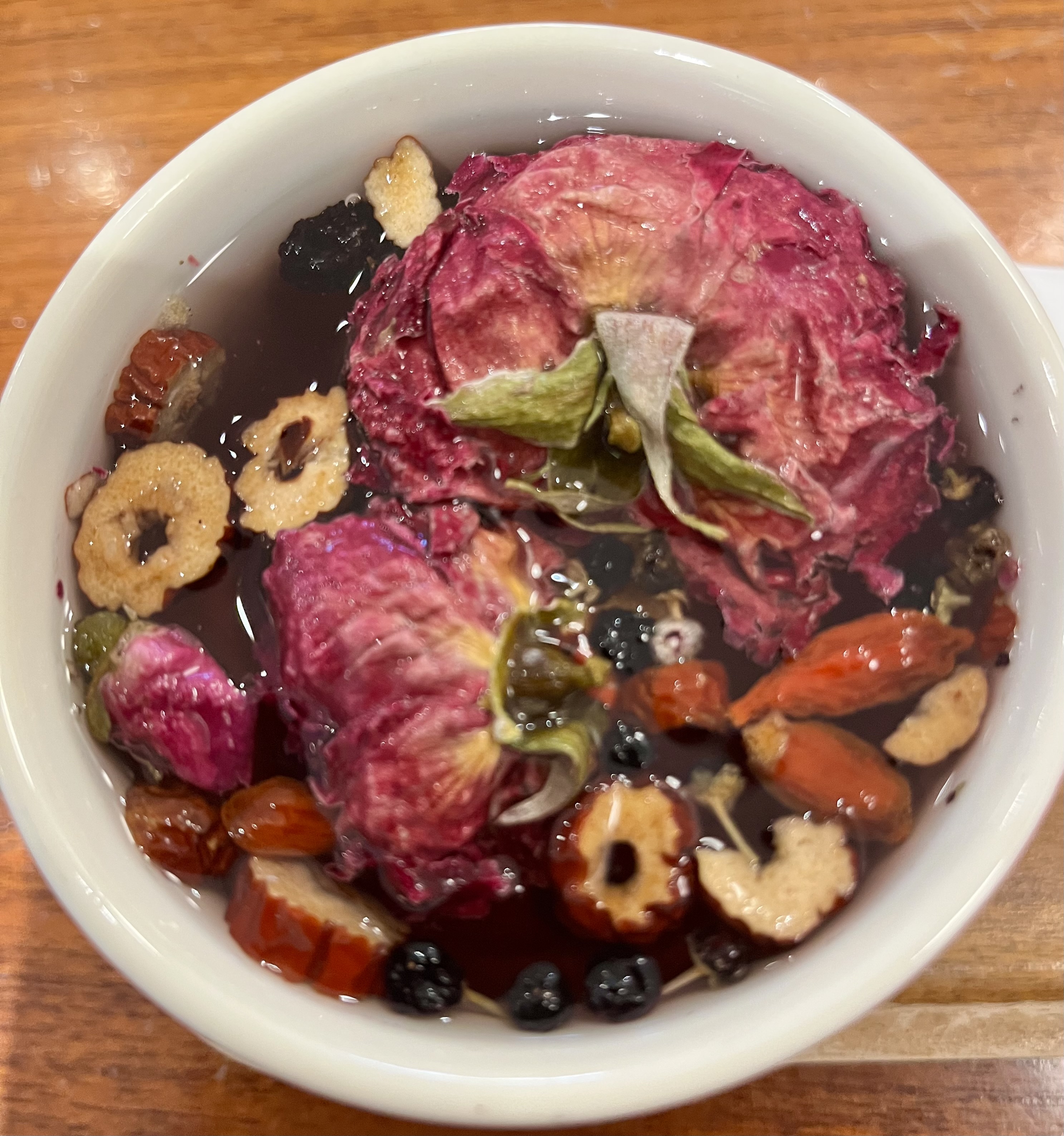
Speaking of flowers and tea, both are such a big part of Yunnan Province culture that some tea shops specialize in flower blossom teas. This one is a small work of art, with whole rose blossoms, small discs of dates, and juniper berries. Drinking this tea made me feel special.
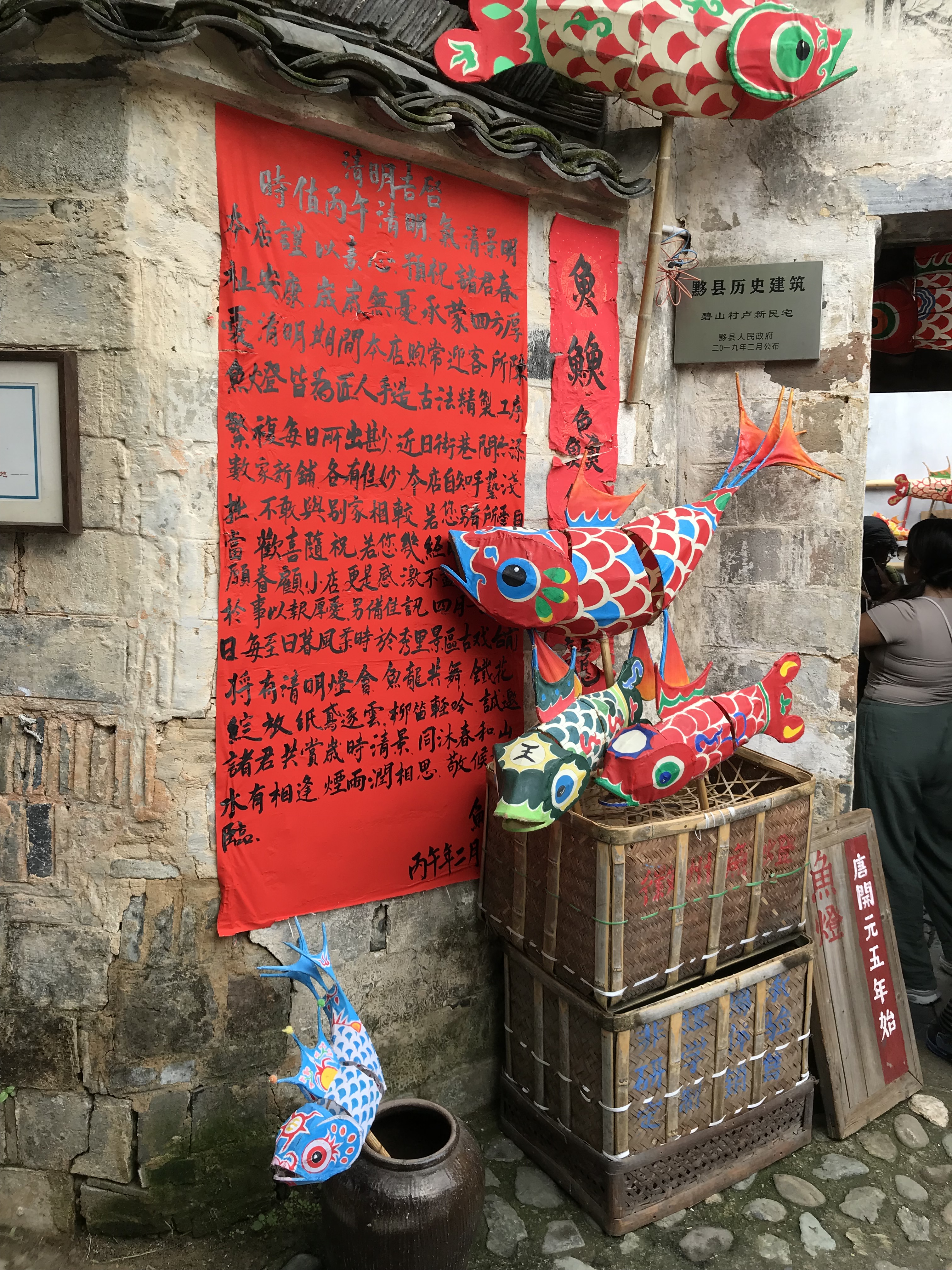
References to Chinese folklore are apparent all over China. I especially love the fish lanterns, representing abundance and good fortune. The word for fish in Chinese sounds like the word for surplus — “yu” — which explains why abundance is associated with fish. Here are some yu decorating a store front in the historic village of Bishan in Anhui Province.
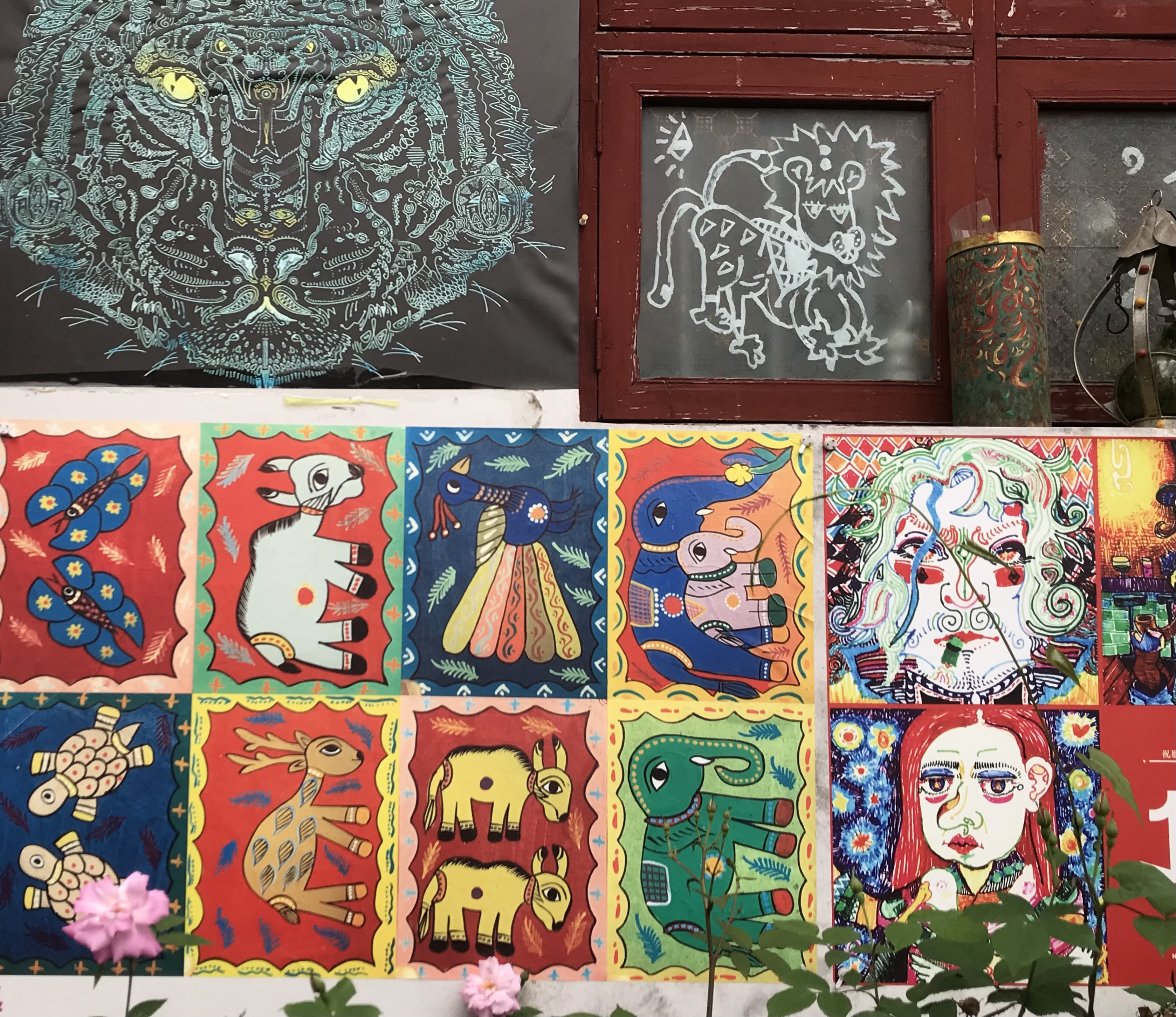
Folklore is a theme on some storefronts, like this one in Yixian Ancient Town, Anhui Province. I don’t really know what’s going on here but the overall feeling was so playful.
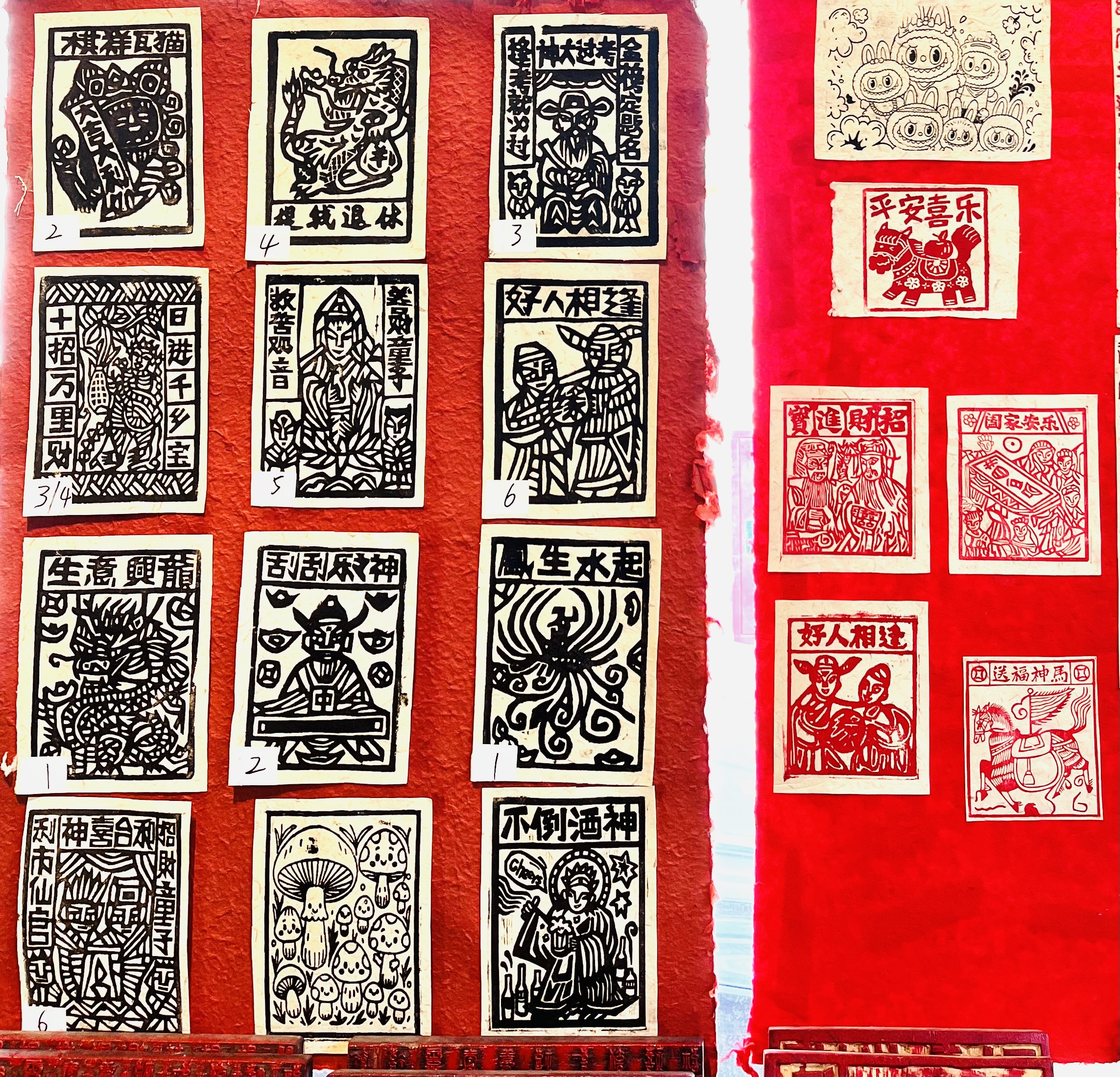
References to Chinese folklore and religion are also apparent in the ancient art of Jiama, which are woodblock prints depicting gods and Buddha. The prints are considered to be messengers between the gods and people. You can buy them anywhere in Yunnan Province for less than a dollar and they adorn shops and temple stores.
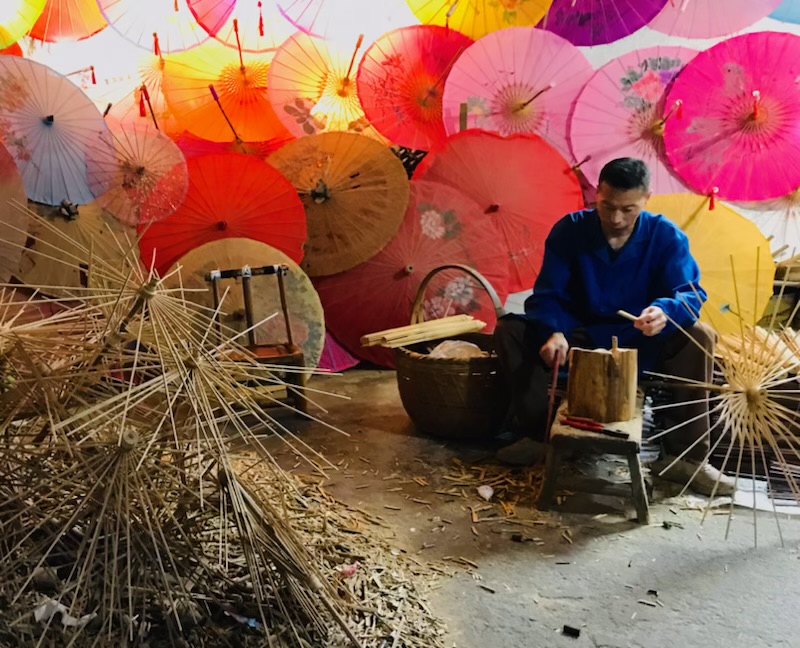
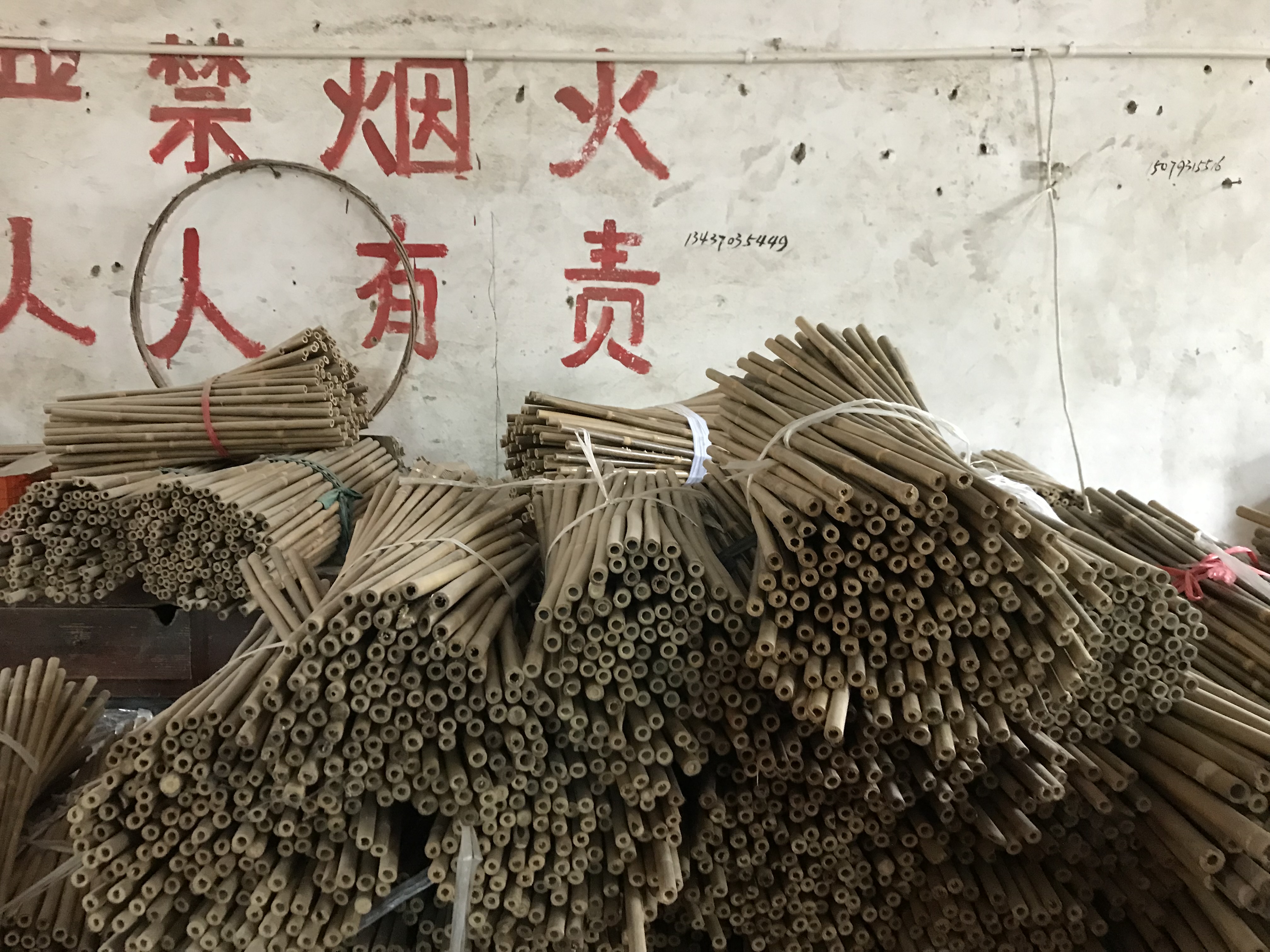
China also is keeping alive the art of handmade mulberry paper parasols. Once a luxury item for the rich, they are now made mostly to sustain Chinese heritage and are sold to tourists and for interior design. They are stunning, but I was more interested in how the factory expresses its love for the parasols by how it arranges the partially-made products.
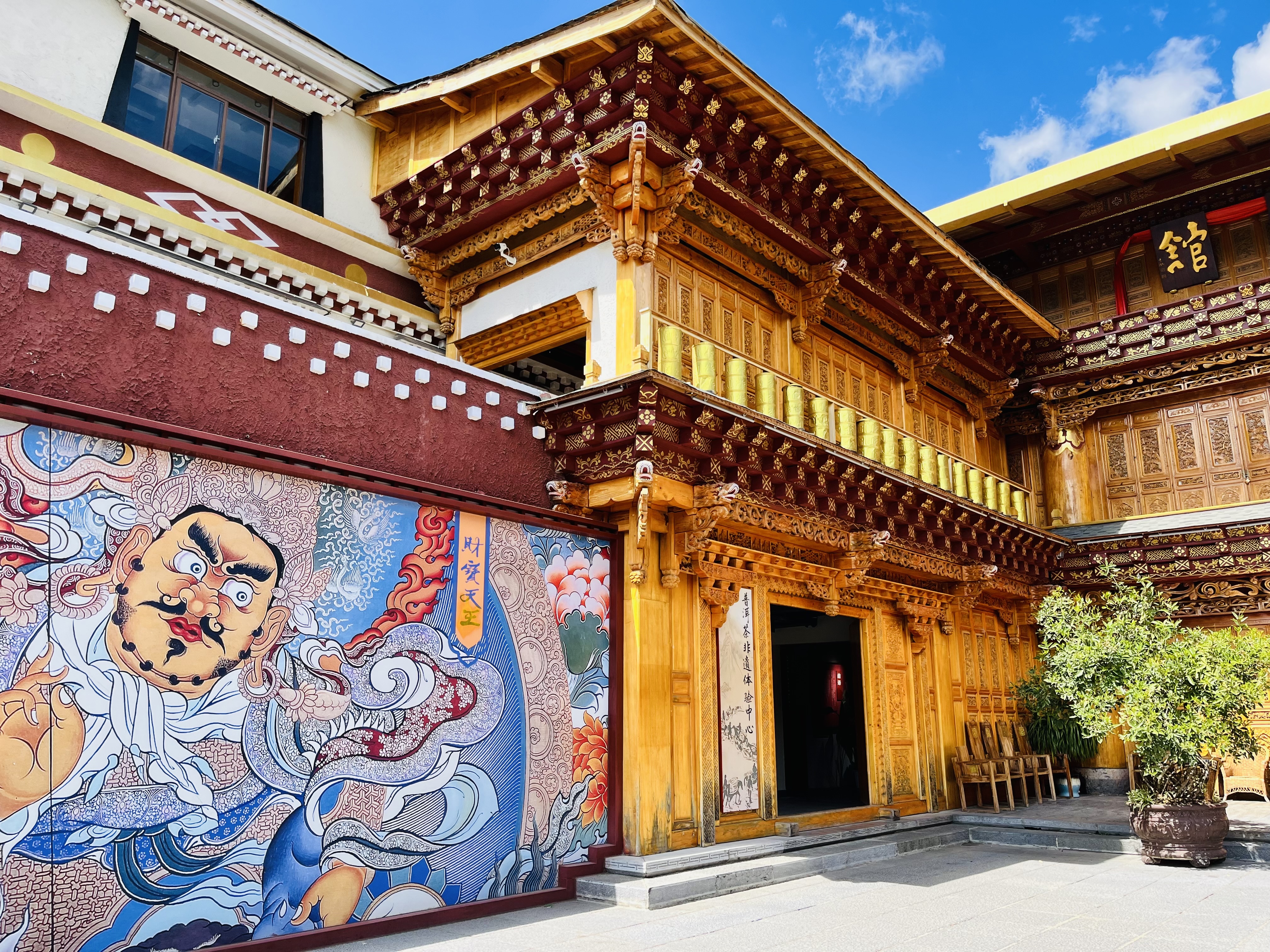
Of course, murals are a another art form that is for all of us all the time, although murals weren’t a big deal in the places I visited. This one is at a monastery in Shushe Ancient Town, Yunnan Province
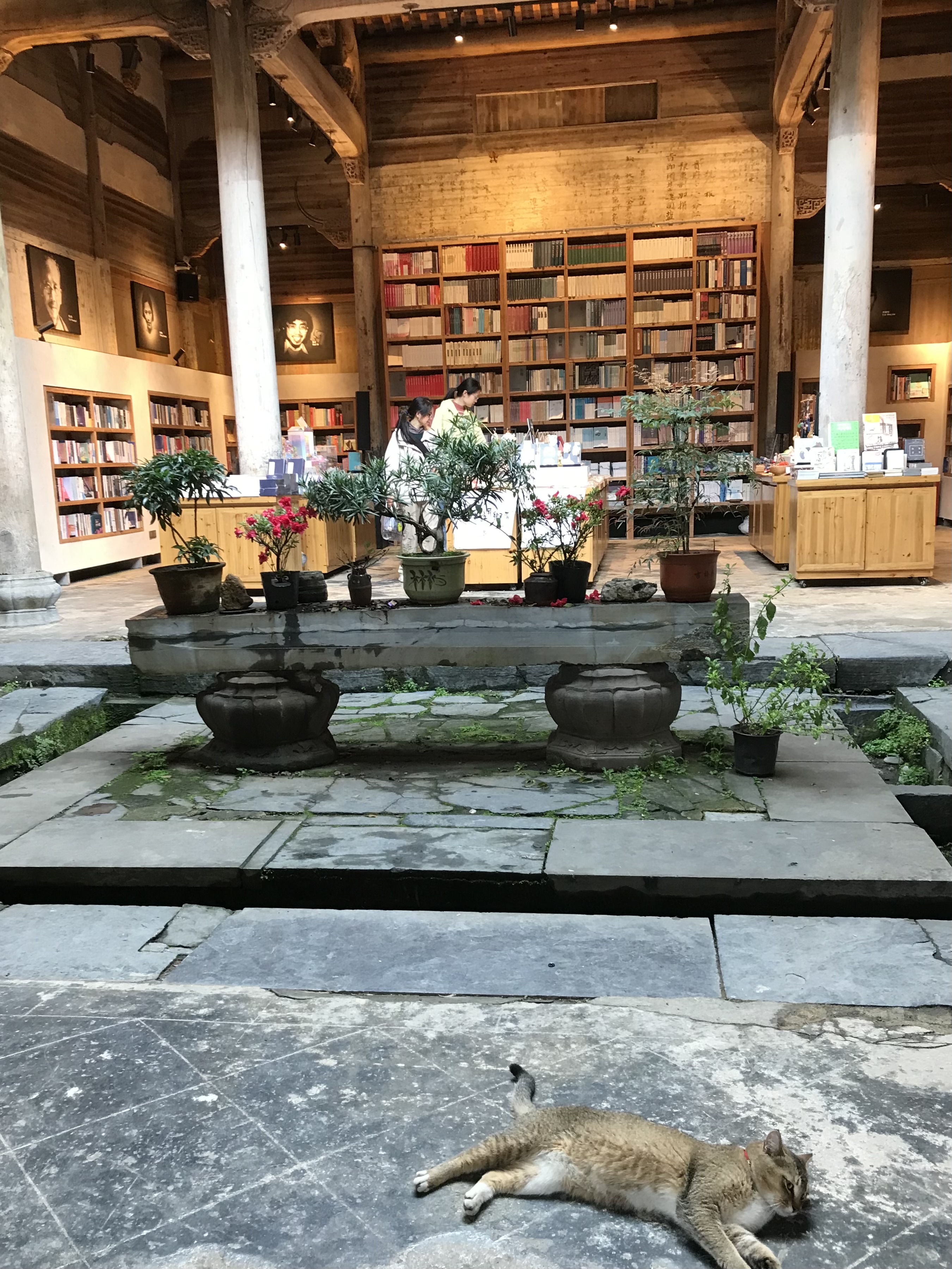
And I saw the most beautiful bookstore in the tiny ancient village of Xidi, Anhui Province. It has a bookstore cat who is so comfortable in his world that he sleeps in front of the doorway. That’s art too.
 Camino Milagro
Insightful essay.and fine photos.
You have the most discerning eye of anyone I know Kim. It’s why your photos are always a highlight of your captivating posts. I am always grateful when I see a new one!
Beautiful photos, Kim. It’s a joy to see how the rich Chinese culture has captured your heart 🙂