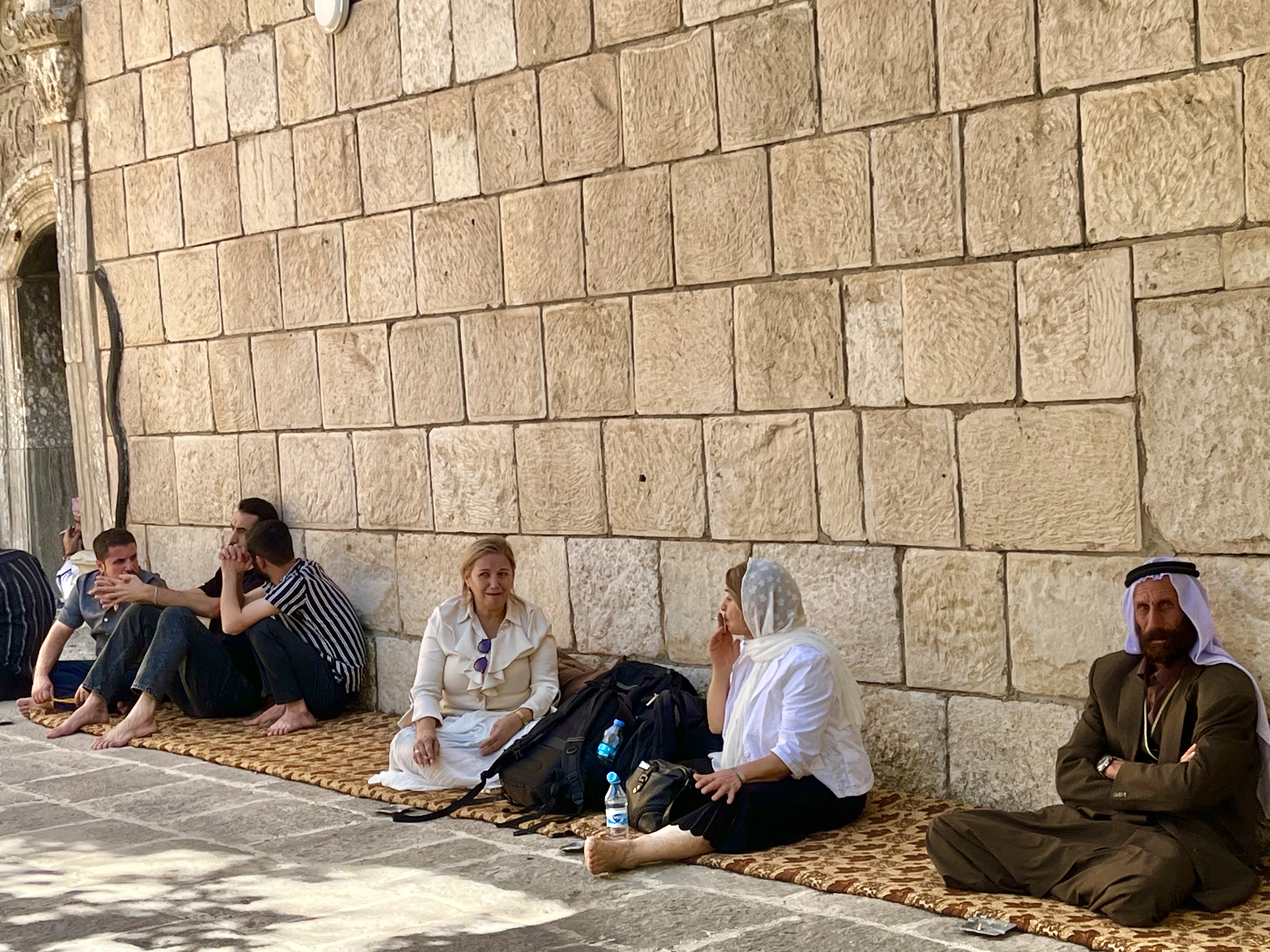
Last week, I went to Kurdistan in Iraq. I’ve wanted to visit Kurdistan because the Kurds I met in Greece when I was working with refugees in 2015 were such motivated, kind people. And the Kurdish women had a strong sense of empowerment.
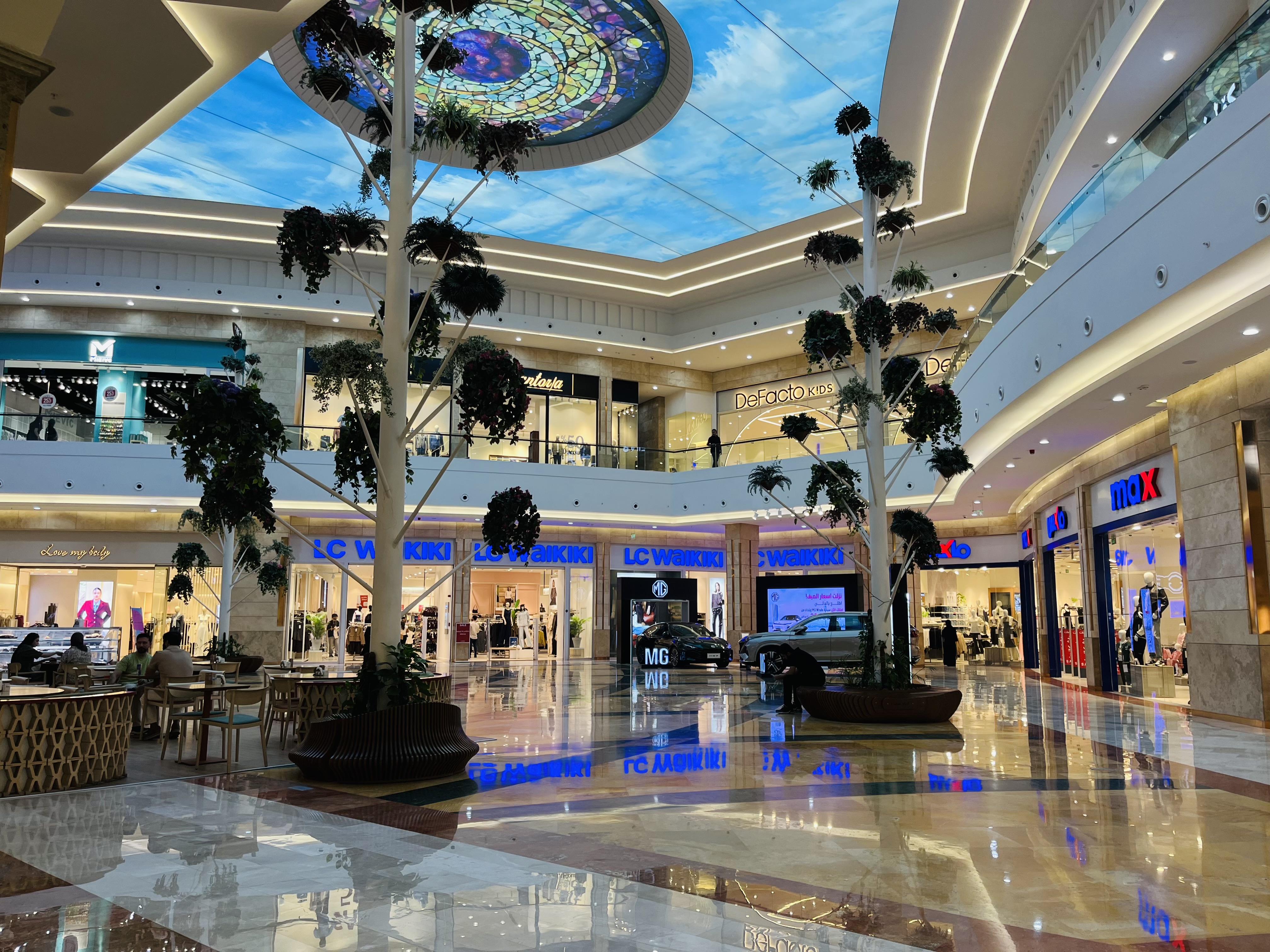
The US State Department has designated Iraq a dangerous all-capital-letters DO NOT TRAVEL destination. Some irony there. If you know what I mean. But my visit to Kurdistan was one of my most important travel experiences because I learned so much about this complicated region and how it fits into a bigger historic context. Iraq is part of Mesopotamia — the Cradle of Civilization. In recent years, Iraq has suffered through wars, colonial occupation, brutal leadership, and terrorism. But Kurdistan in the northern part of the country is enjoying a period of relative peace right now. And the State Department should know that Kurdistan has a lower poverty rate and a lower crime rate than the United States, free universal health care, and malls that look like Pasadena.
Here’s a little background about the region that has been called Kurdistan for almost 900 years. The Kurds — today, mostly Sunni Muslims — are an ancient ethnic group that has fought for nationhood for many years. The “West” promised them their own state after World War I (the Treaty of Sevres) and then quickly changed its mind (the Treaty of Lausanne). Instead, when the West drew the borders of the Middle East (itself, audacious), the Kurds were split up into four countries — Iraq, Syria, Turkey, and Iran — probably to keep them from controlling their own oil reserves.
The Kurds have since been persecuted by governments and radical Islam militias, probably because the Kurds have a liberal interpretation of the Koran and support democratic governance. And they have oil. Today, Federal Iraq — the region whose capital is Baghdad and is mostly Arabic — allows the Kurds a lot of independence and self-governance, and this is a very big deal for the Kurds.
The Kurds aren’t the only group that lives in Kurdistan. There are significant communities of Assyrian and Armenian Christians, Arabic Muslims, and Yazidis. They all seem to get along, although they generally live in separate enclaves. Naturally, there is a little cultural exchange in Erbil because many Kurds visit the Christian neighborhood of Ankawa to enjoy alcoholic beverages, which aren’t available in the Muslim part of the city. (There was once a large Jewish community in Kurdistan as well but, after World War II, the Iraqi government confiscated most of their property and enacted discriminatory laws, so most left and settled in Israel).
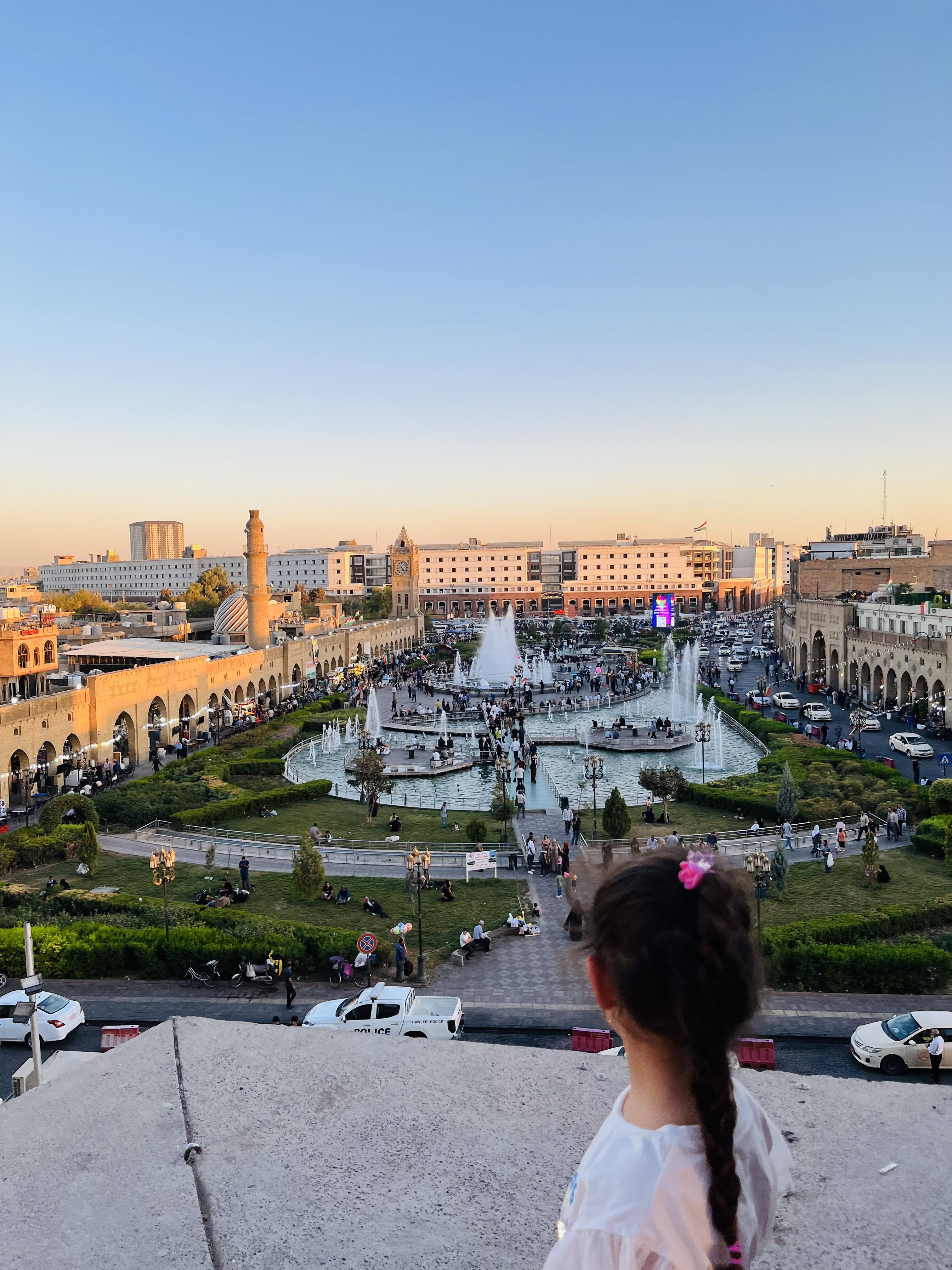
My brief tour of Kurdistan started in Erbil, which is the region’s capital and largest city. Situated on a dry flat plain, it’s a vibrant community of about a million people. It’s still recovering from Sadam Hussein’s persecution of Kurds, and recent missile attacks by Iran on US military bases in Erbil.
Kurdistan has very few tourists, so I was treated with a lot of deference and curiosity. The Kurds were super friendly and I’m featured in about 30 selfies with people whose names I’ll never know. The Kurds also seem to pay a lot of attention to what’s going on in the world — even the taxi drivers talked about current events like they are journalists.
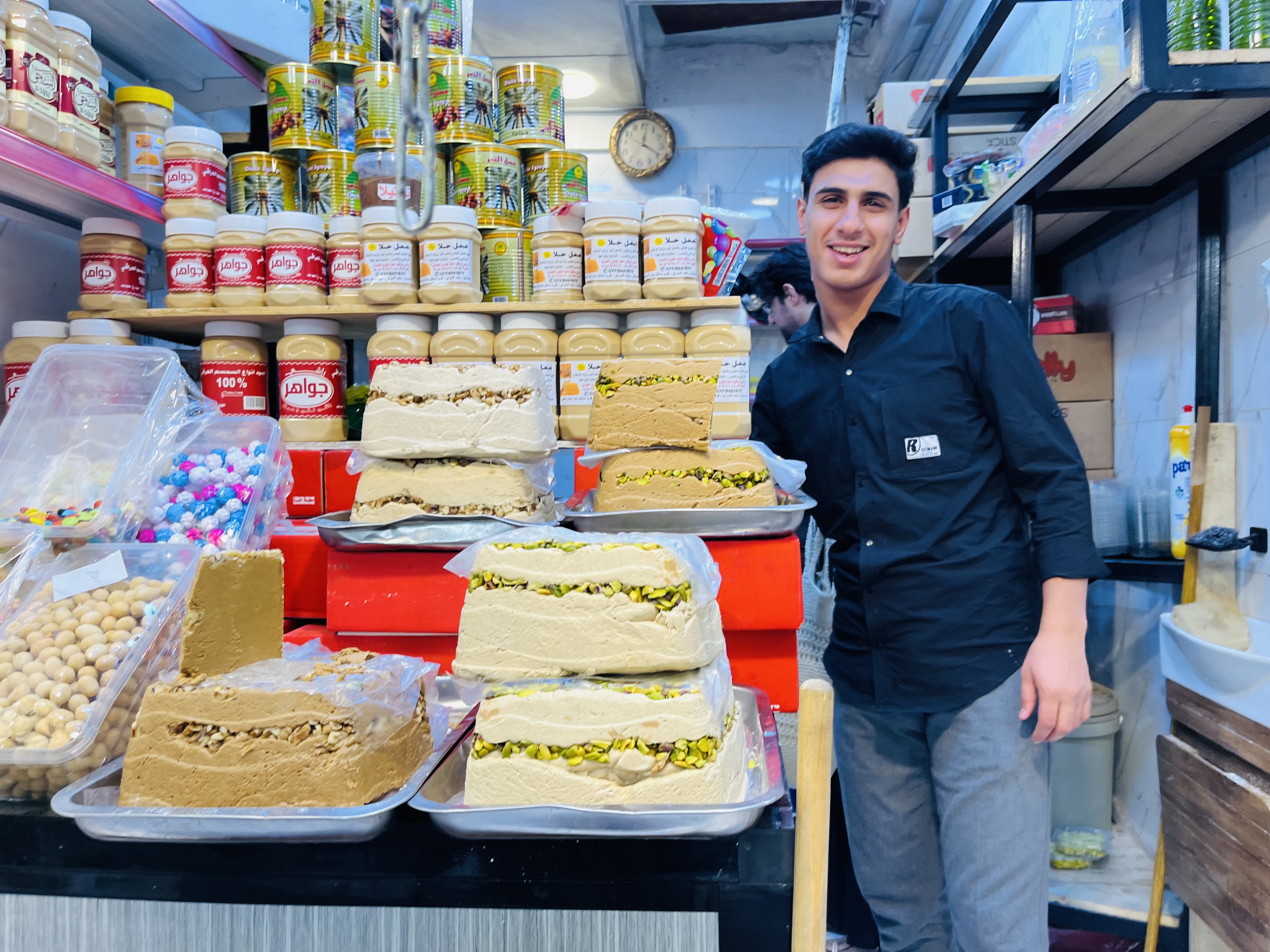
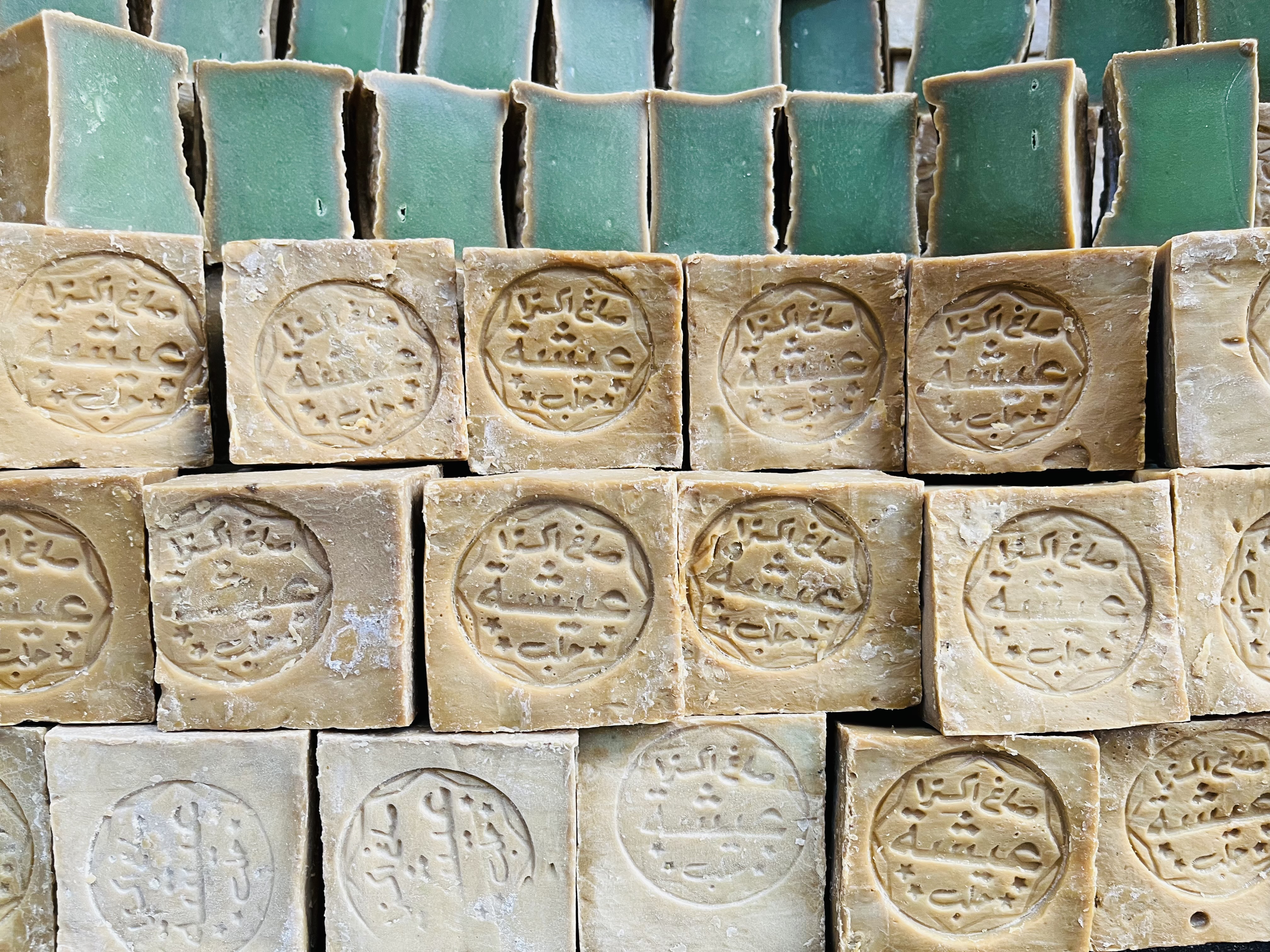
I also took a couple of day trips outside Erbil with a local tour company (Mesopotamia Tours — definitely hire them when you’re in Kurdistan!). My first tour out of Erbil was to Alqosh, which is a place of pilgrimage for Assyrian Christians because of its historic significance. The residents of Alqosh are all Assyrian and don’t allow other ethnic groups to live in the city, a rule designed to preserve the city’s heritage. With the help of the Kurdish militia, the people of Alqosh were able to resist a take-over by ISIS in 2014.
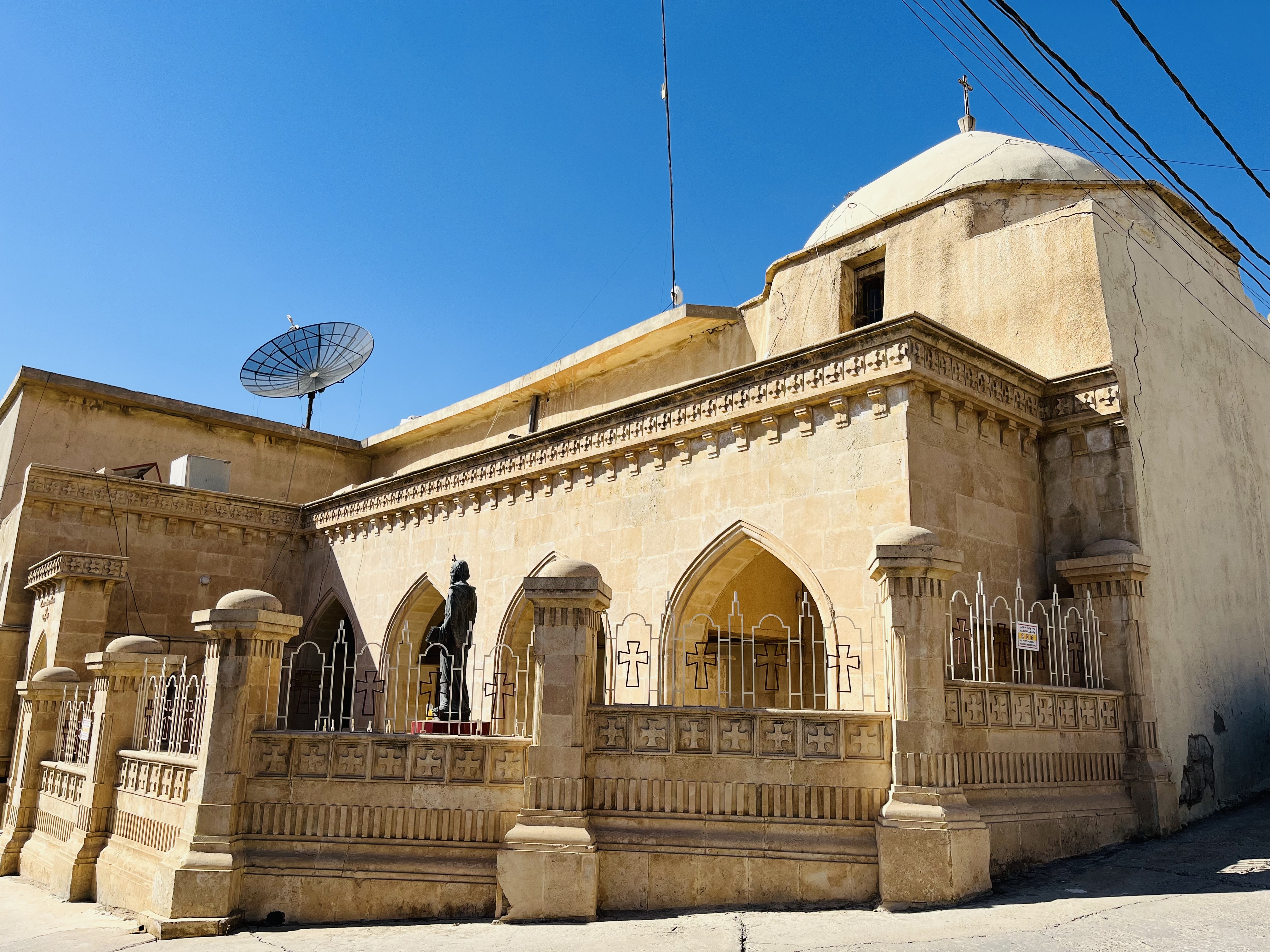
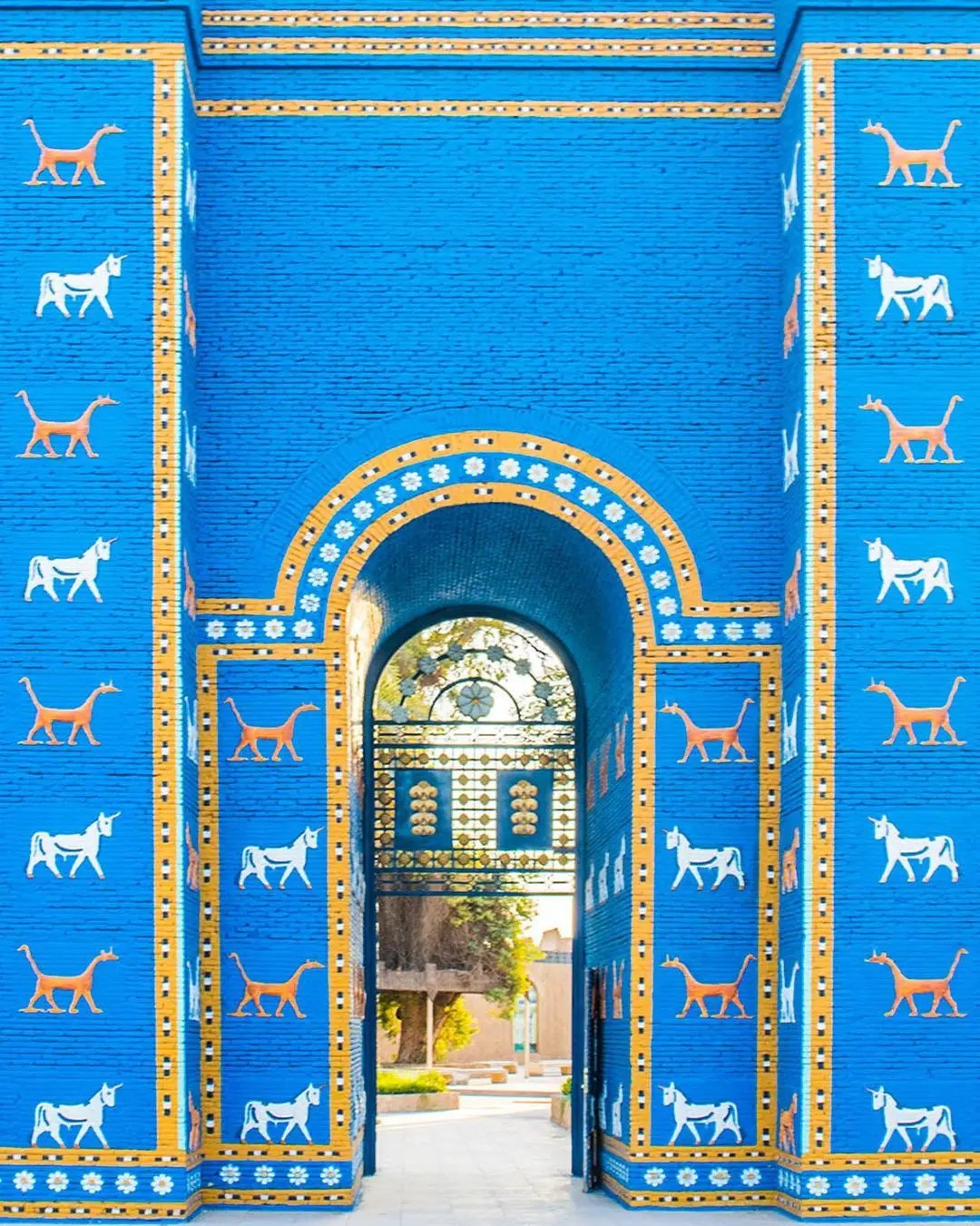
Alqosh is very small with narrow roads winding past historic buildings. We met a local artist who painted her whole house in honor of her Assyrian culture. The front of the house is painted to remind us of the Ishtar Gates in Assyrian Babylon.
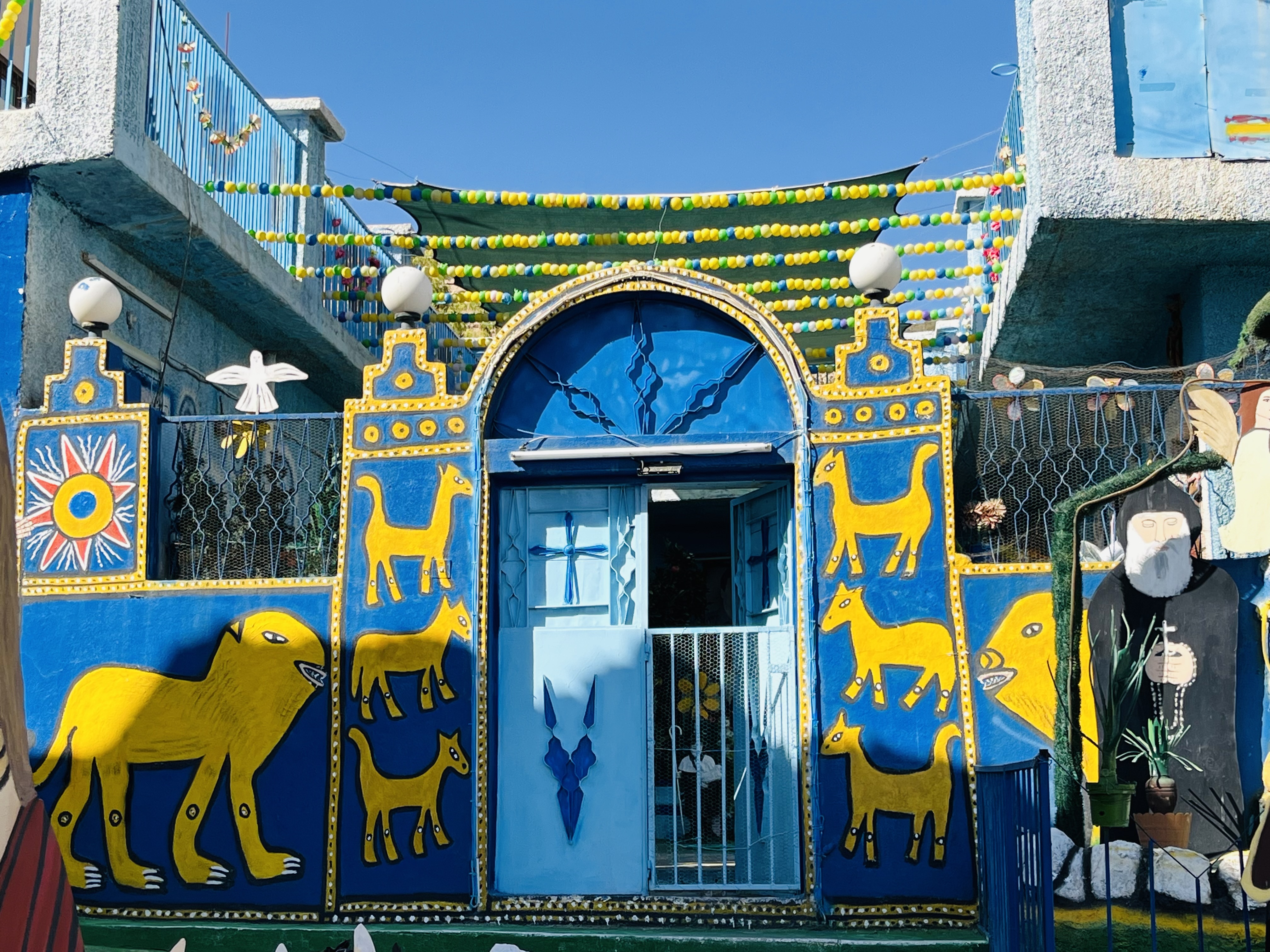
Here is the actual Ishtar Gate, although the one in Babylon is a replica because the Germans stole the originals and put them in Berlin’s Pergamon Museum. And won’t give them back.
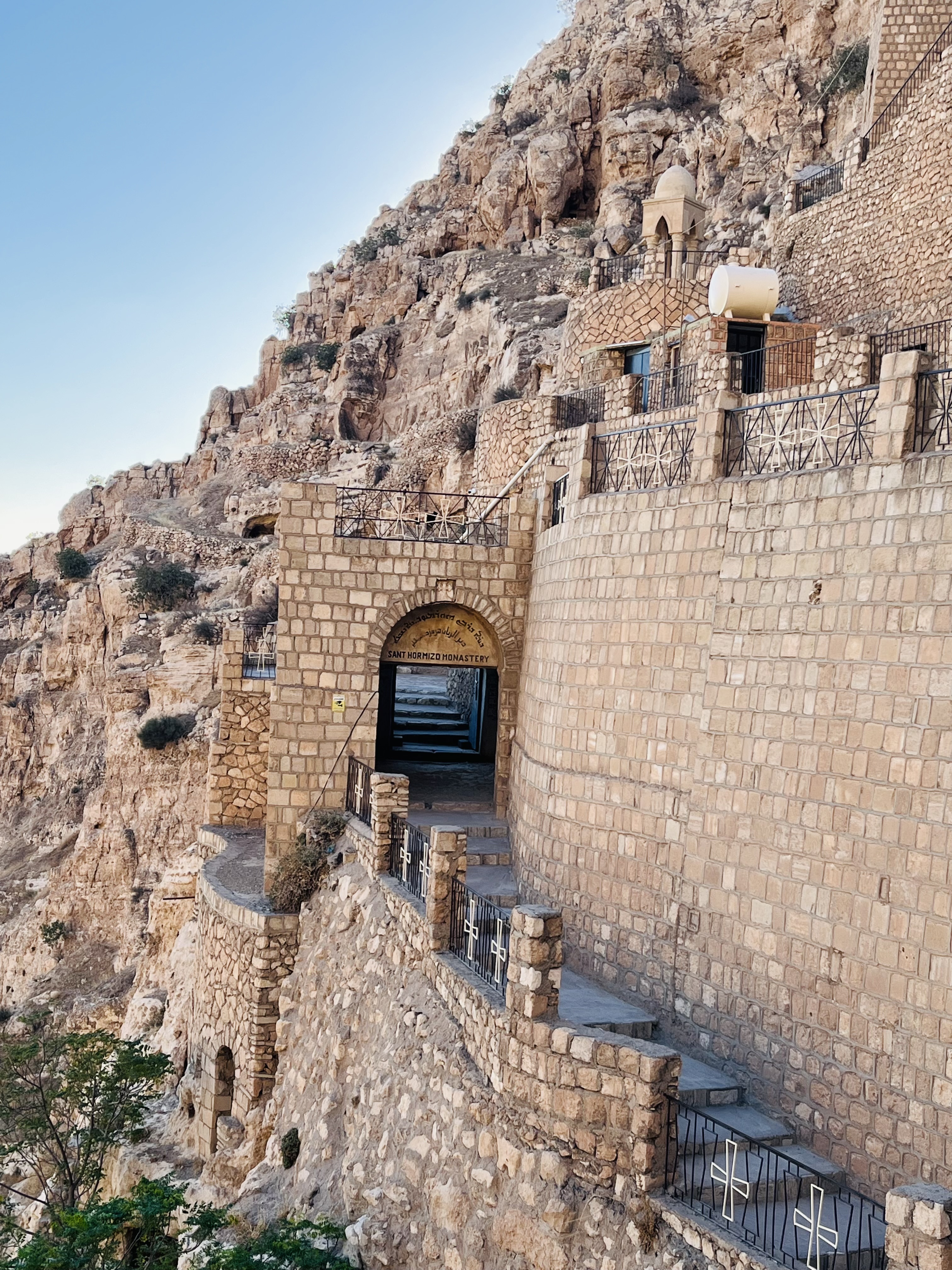
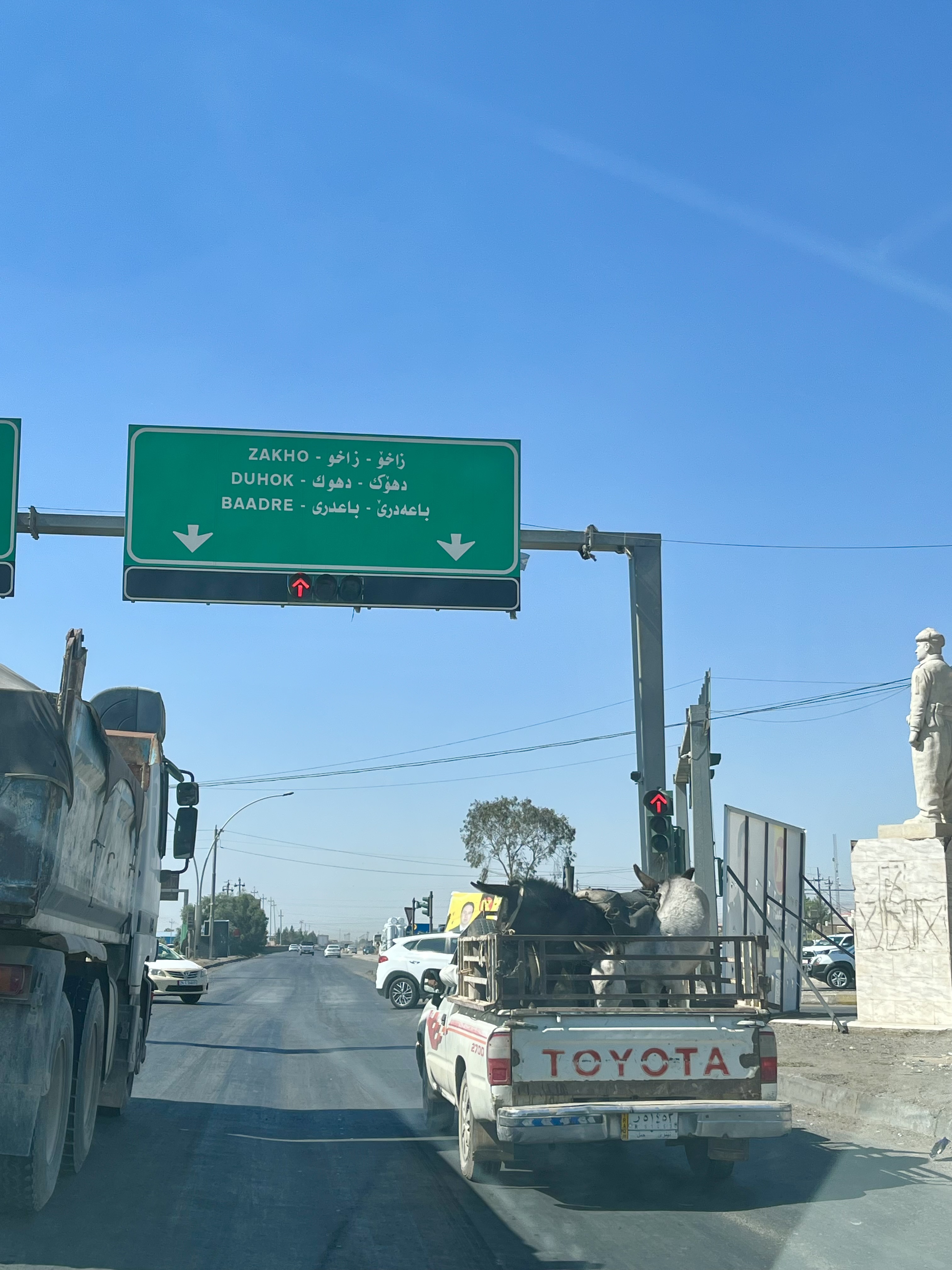
I visited Mosul on my second day. Mosul is mostly Kurdish but is actually part of Federal Iraq (because when the West carved up the Middle East after World War I, the British controlled Baghdad and wanted to control Mosul’s oil resources). Federal Iraq requires a different visa than the one I had for Kurdistan, so I had to get a special day pass at a check point. I even got to be briefly interviewed sitting at a little desk. Military check points are common in the region to discourage the entry of extremist groups like ISIS. My tour guide, Van, explained that the reason the officers often waved us through without asking us any questions was that a Christian cross was hanging from our car’s rear view mirror.
You might remember that Mosul was occupied by ISIS for three terrifying years beginning in June 2014. Mosul became the de facto capital of ISIS administration. During its occupation, ISIS persecuted and massacred many members of local minority groups. In 2017, the US and NATO joined the Iraqi military (together, called “The Coalition”) to rid the area of ISIS.
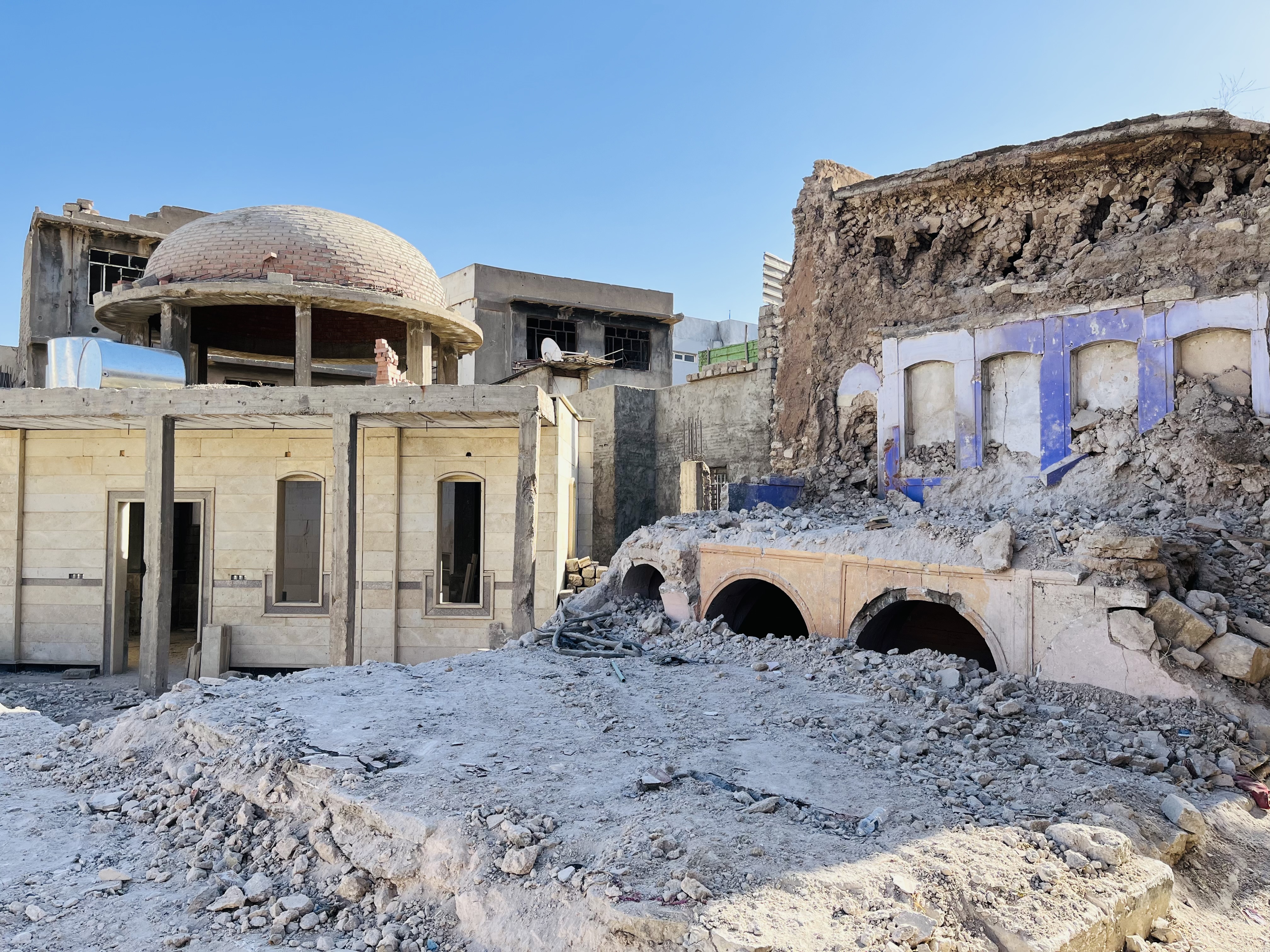
Unfortunately, the battle for Mosul between the Coalition and ISIS resulted in the destruction of a lot of historic buildings. The community has recently created numerous small museums in a few of the remaining historic houses.
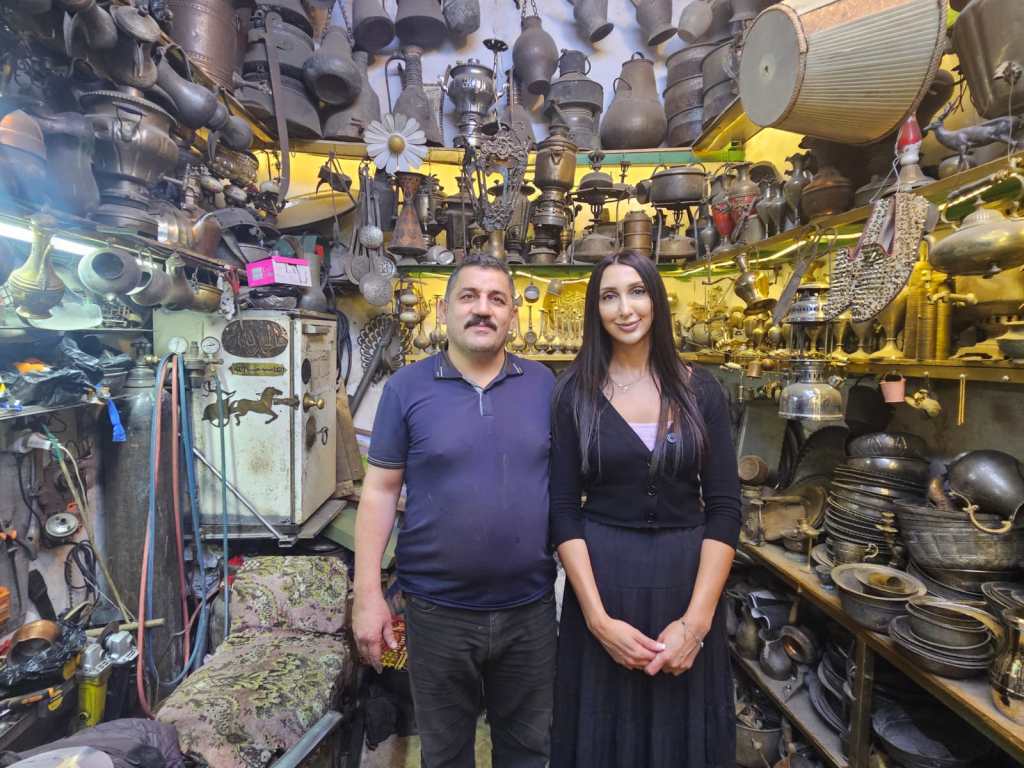
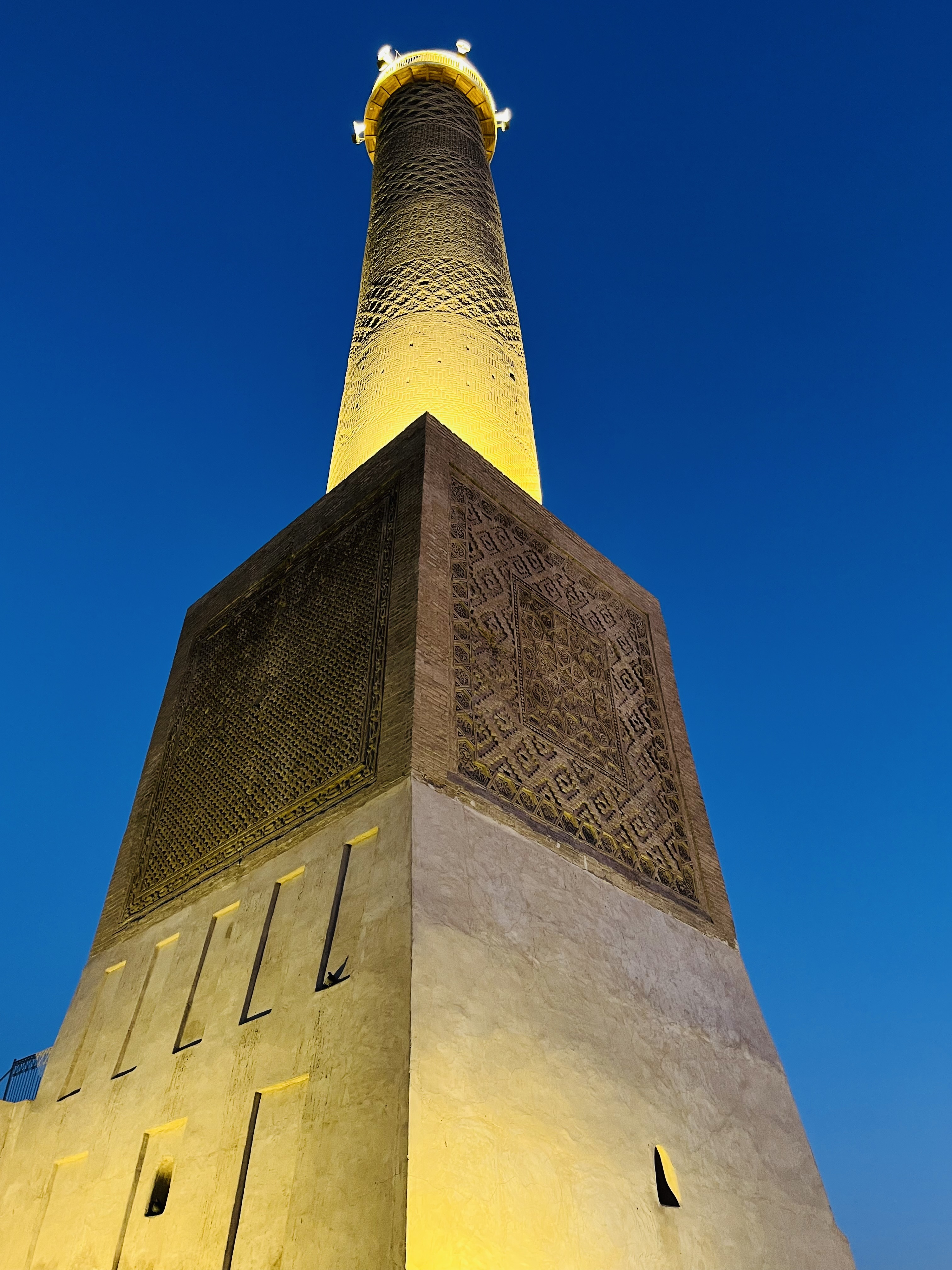
The people of Mosul are still traumatized by the ISIS occupation, and the occupation left the economy in shambles. But they are among the friendliest and most generous people I’ve ever met. They were eager to give us snacks and souvenirs and a lot of smiles.
Kurdistan was another reminder of how fragile we humans are and also how resilient we are.


Wow, what an amazing description of a fascinating (and much overlooked, alas) part of the world. I love your writing style, Kim!
Thanks Fred!
Kim, thanks for your interesting and fascinating article about the Kurdish people.
🙂
Gracias mujer for another fascinating post about a place I’ve always been curious about as I have a dear Kurdish Israeli American friend. May Kurds all over the world (am thinking especially of Turkey where I met many) have the peace and security they deserve.
Yes for sure.
Once again you grace us with a wonderful combination of great photos and well written informative narrative. Thanks!
Even after reading up on it when I first knew of your travel itinerary I had no idea Kurdistan was both so modern and historically rich. And the diversity in its peoples who respect and honor its wondrous past and are so aware of “the present” is also somewhat remarkable.
Plus it seems to be filled with interesting and friendly folks who made you feel welcome.
Well done Kim!
Thank you. I’m so glad I went there. I would go back!
You truly get around!
Yes, it’s almost an affliction. LOL
Kim, Thanks for sharing! I’m so glad you were able to reach this section of Kurdistant. Your narration and illustrations make me feel as if I m tagging along with you! It’s hard to imagine there’re still Assyrians roaming earth… May peace pervade.
What’s next?
C
PS I tried to post on the blog but no luck….
Your post shows up on the blog! (I’m in Nepal 🙂 )
Thank you, this was great.
🙂
Kim, thanks for sharing this fascinating trip with us. As always you write so informatively and with great heart. I wonder if Nepal is on your itinerary? Stan
Thank you Stan. The tennis balls continue to delight the children of Nepal!
Thank you so much for this look into a part of the world. I don’t think I’ve ever read a travel post about Kurdistan before.
Hopefully, some day people will feel comfortable about going there. It’s so interesting!