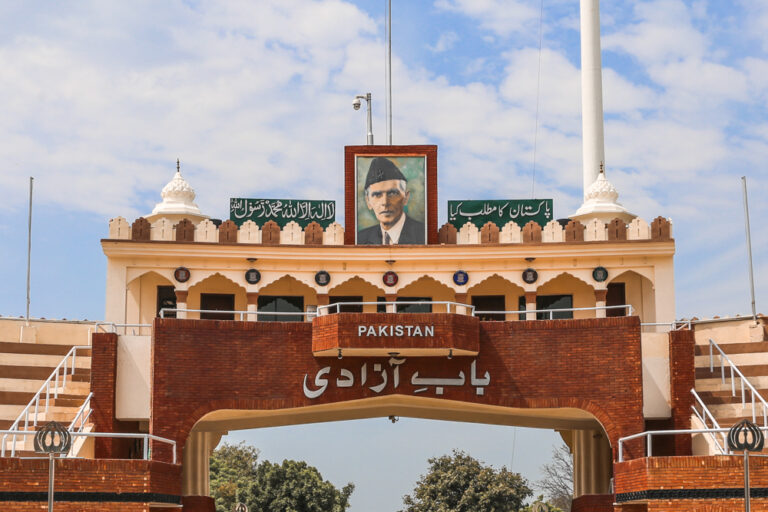
I walked to Pakistan this week. Because Pakistan and India have an antagonistic relationship, you can’t fly or drive between the two countries. But you can walk, and the only place to do that is at Wagah Border, about 10 miles from Lahore, Pakistan.
Here are the steps.
- Taxi about 20 miles from Amritsar to Wagah Border
- Walk through Indian immigration where about 8 people will check your passport
- Get a polio vaccination unless you brought proof that you were vaccinated when you were 5 — Pakistan has an outbreak and they’re trying to prevent a bigger one.
- Take an Indian bus about a mile
- Walk across a no man’s land for about a quarter of mile where, by the end, your luggage will be muddy
- Go through Pakistani immigration and customs where about 8 people will check your passport and your luggage will leave mud on the screening machine
- Walk about a quarter mile to the taxi pick up point
- Taxi about ten miles to Lahore
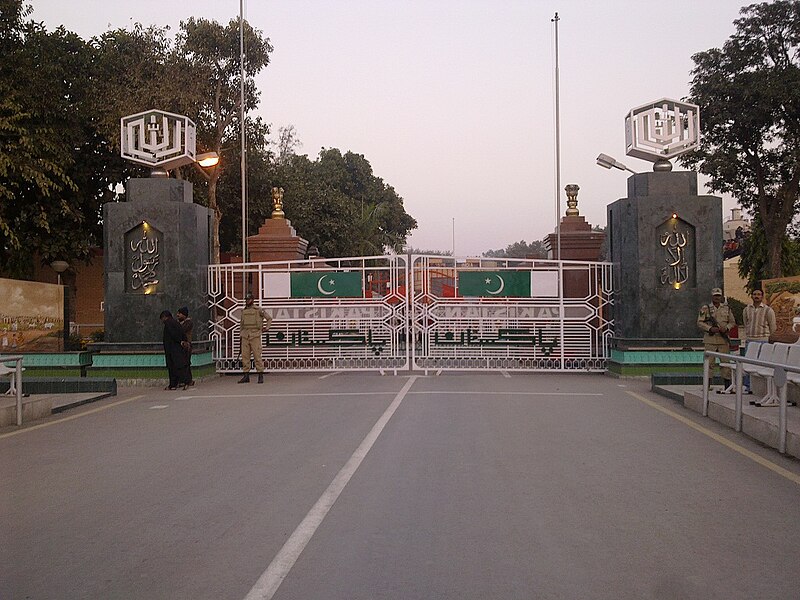
That’s how I got to Lahore, Pakistan’s cultural center. I’m not getting much culture, however, because of stomach issues. Worth another laugh…When I apologized to my hotel’s restaurant manager for not eating much of his buffet dinner, he assured me that whatever I have is something I contracted in India. 😂 Anyway, I’ve missed a few things I’d planned, but I’ve gotten out a few times.
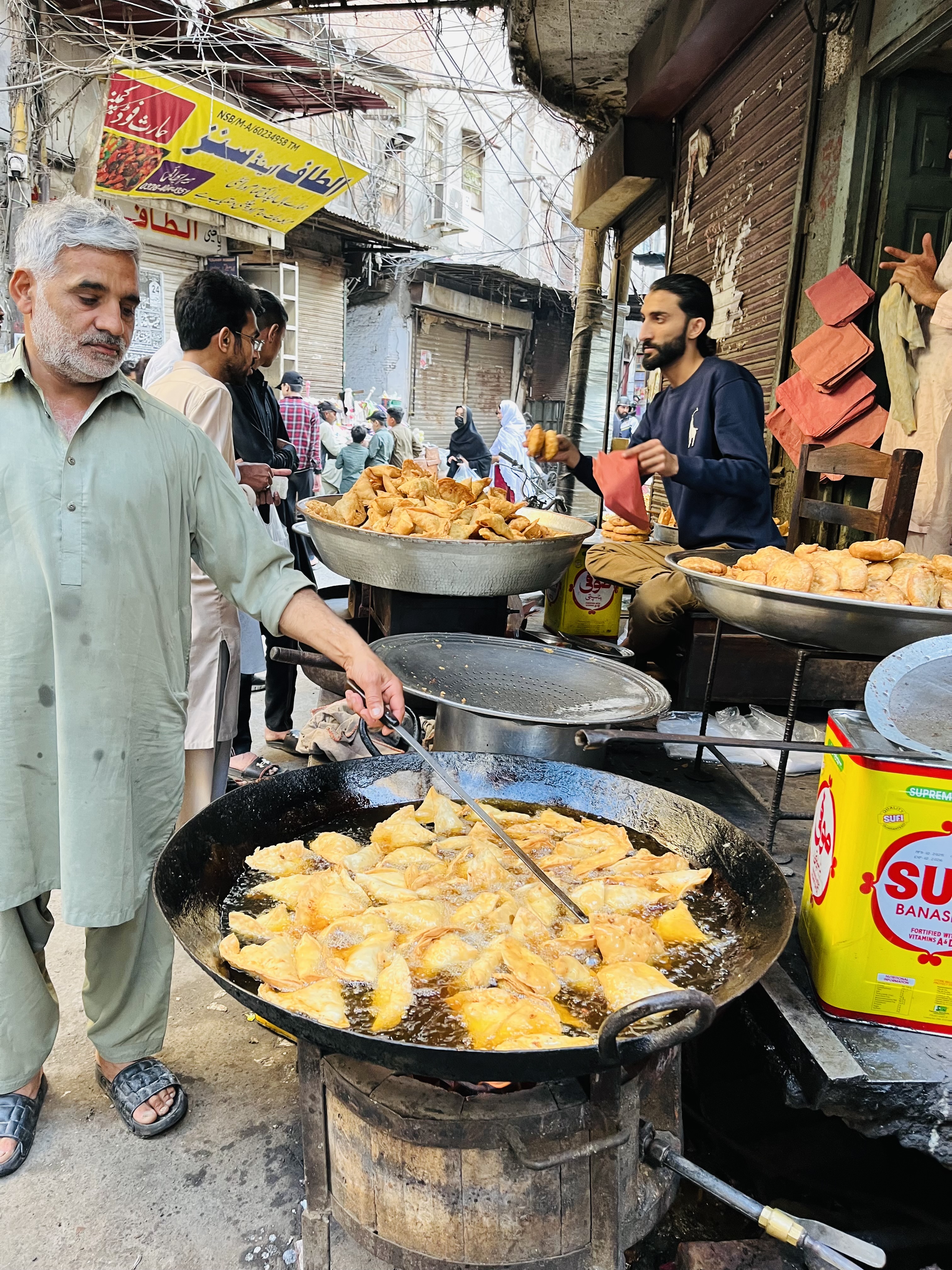
I arrived on the first day of Ramadan, which takes place the whole month of March this year. I originally wasn’t going to travel to Muslim countries during this period. I assumed everything would be shut down because, during Ramadan, observant Muslims fast from sunrise to sunset. The reputedly excellent museums in Lahore are closed, but everything else seems to be in full swing. Restaurants and shops are open. Delhi Gate in the Old City was jammed with crowds of walkers, motor cycles, and street vendors.
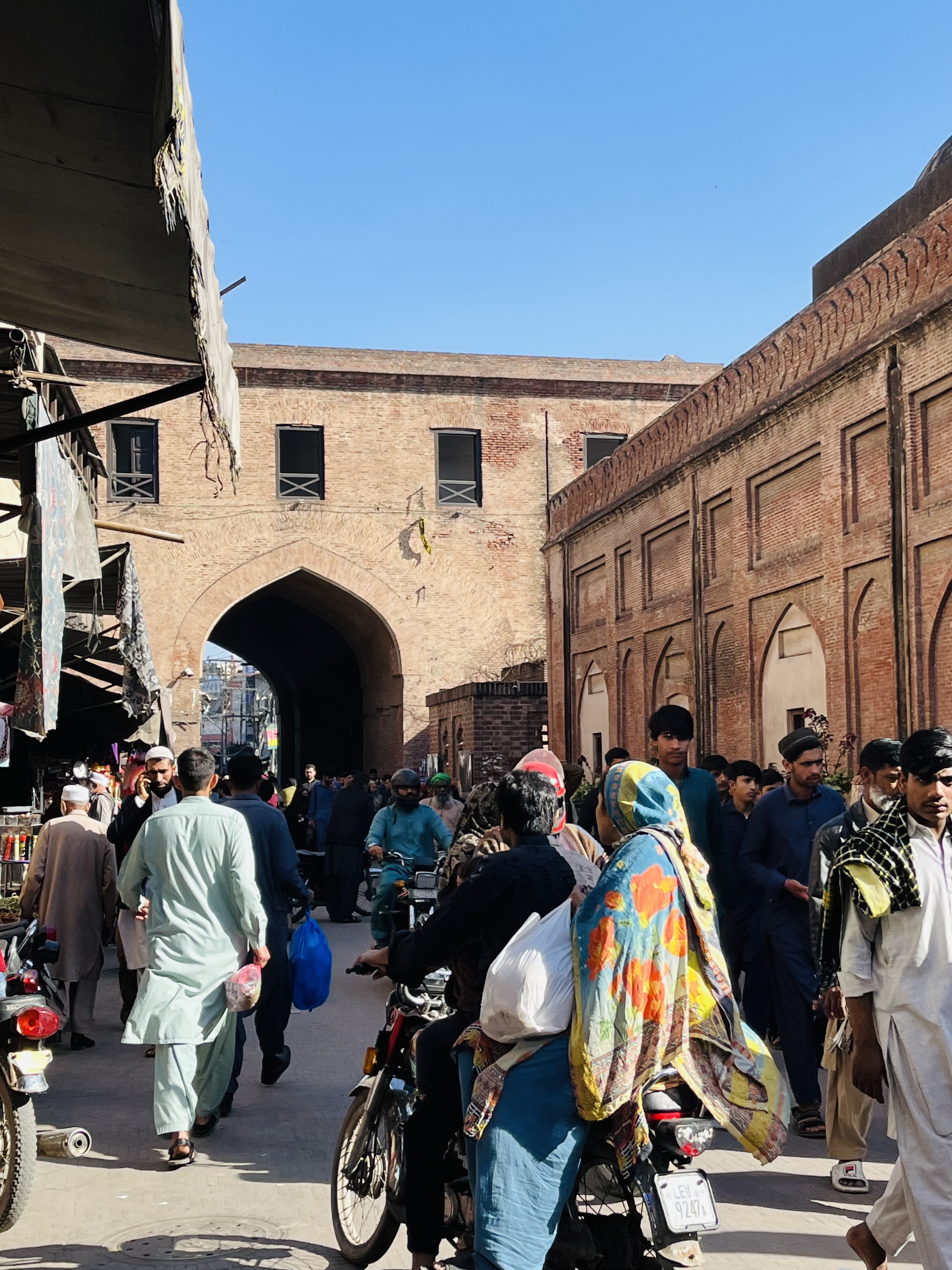
Lahore is more diverse than I expected. It is mostly Muslim, but many Hindus and Sikhs live here and everyone seems to get along just fine. Like Amritsar, Lahore is in the Punjab, the identifiable community that was cut in half in 1947 to create the (Muslim) state of Pakistan. A lot of Hindus and Sikhs left this part of the state, and a lot of Muslims immigrated here.
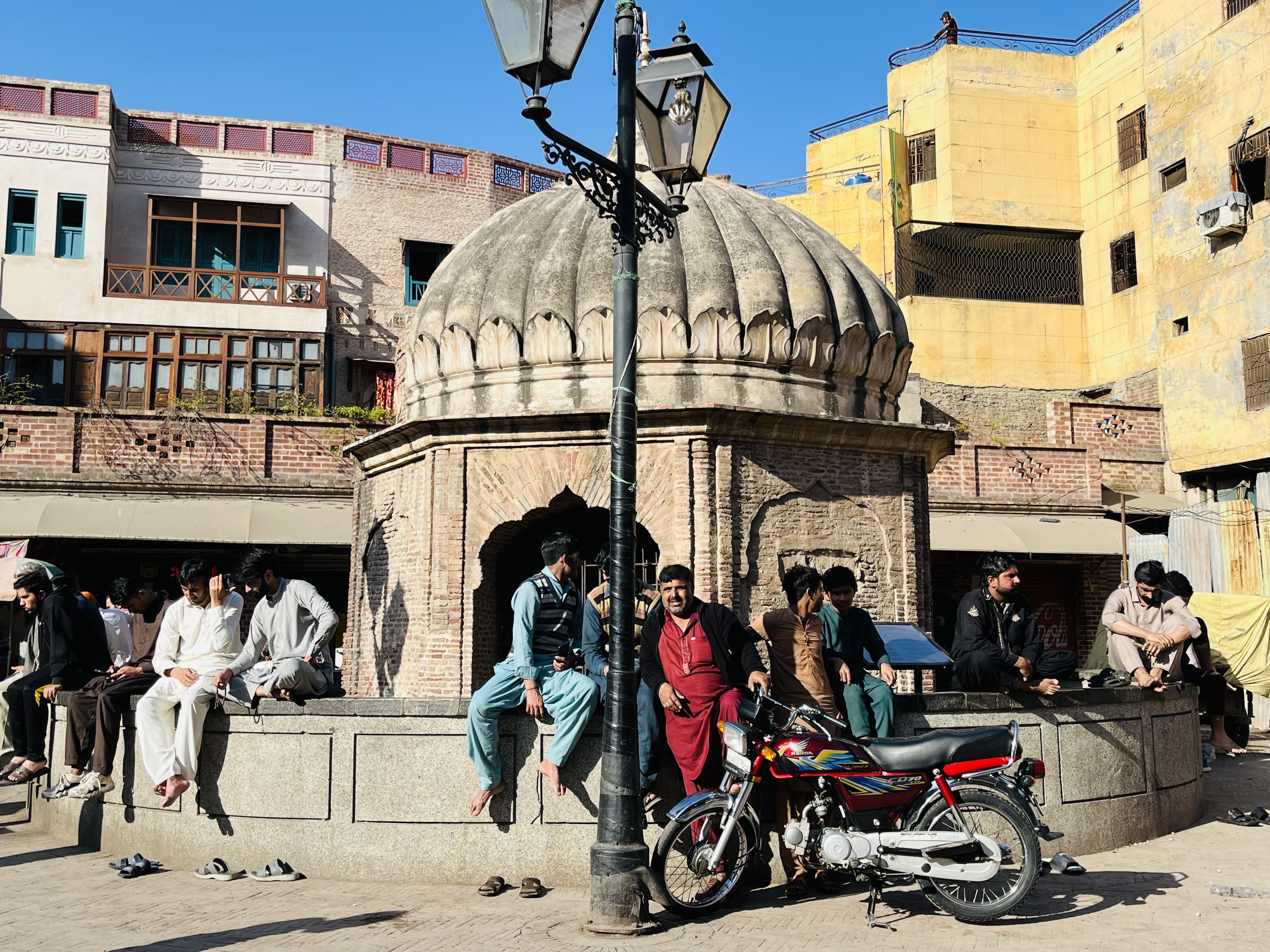
Pakistanis are famously hospitable and visitors seem to love the country. But few tourists make it here partly because Pakistan is trying to repair the damage to its security and reputation caused by right wing extremists. Walking through town, I’ve gotten more attention than usual. As an unaccompanied blondish aging woman in sunglasses, I kind of stand out. I’ve gotten a lot of welcoming gestures from all kinds of people who, like all people I think, want to be seen.
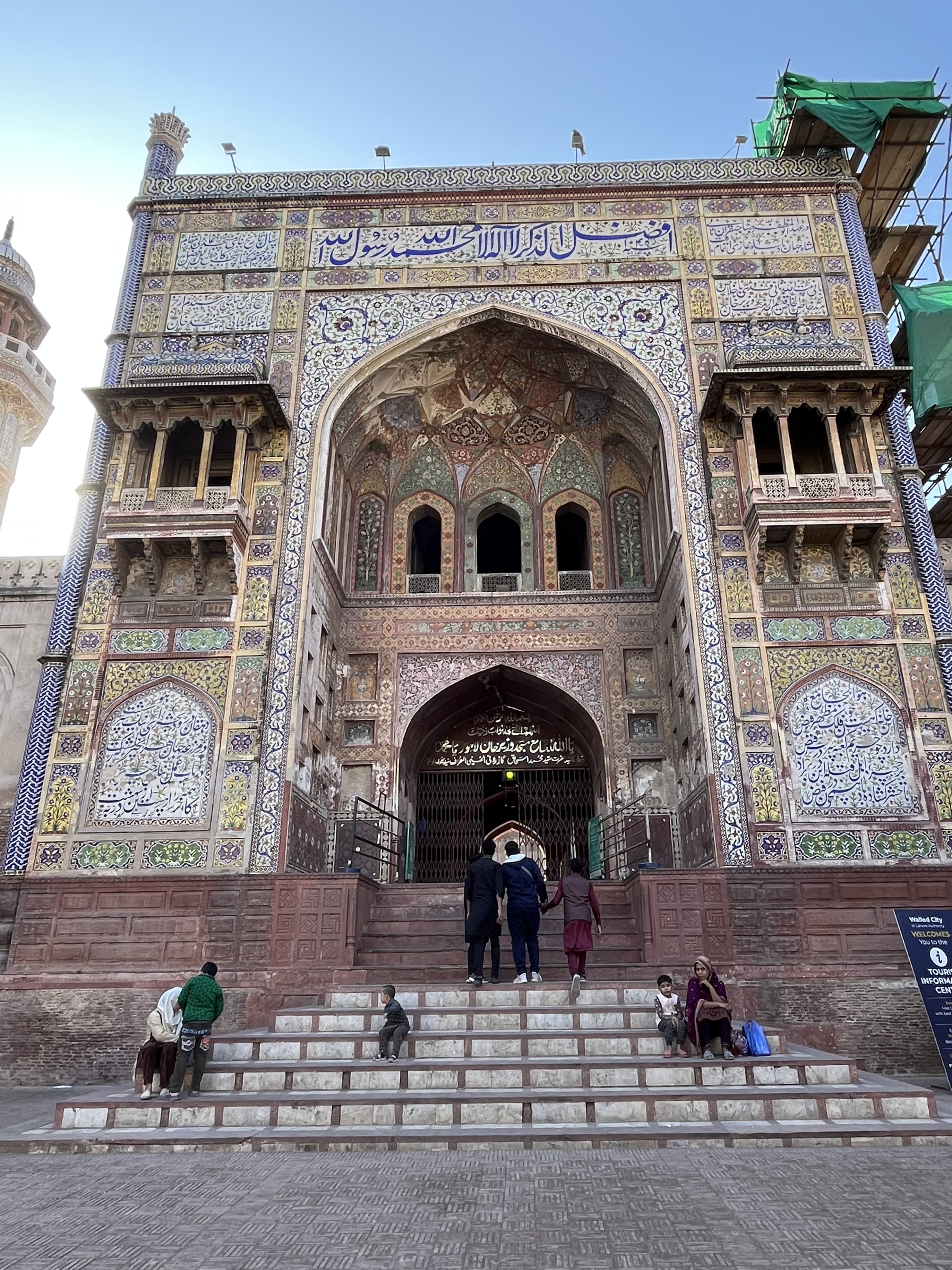
It’s easy to find signs of Pakistan’s complicated history. The gorgeous Wazir Khan Mosque is modeled after some of the buildings in Samarkand, Uzbekistan. Like Samarkand, Lahore was a stop on the Silk Road — travelers would buy supplies and goods for trade on the way to China.
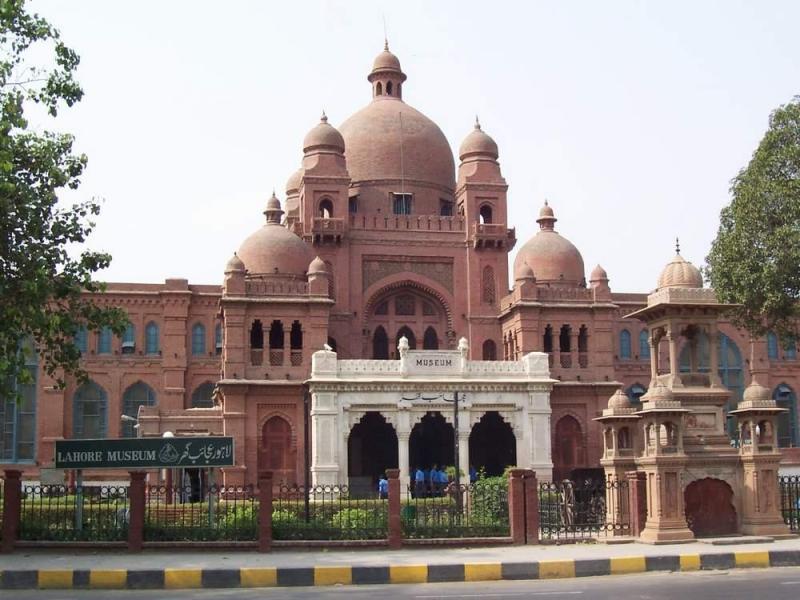
The influence of the English and Mughal occupations is evident as well. The architecture of the Lahore Museum is called “Indo-Saracenic,” a combination of English and Mughal styles.
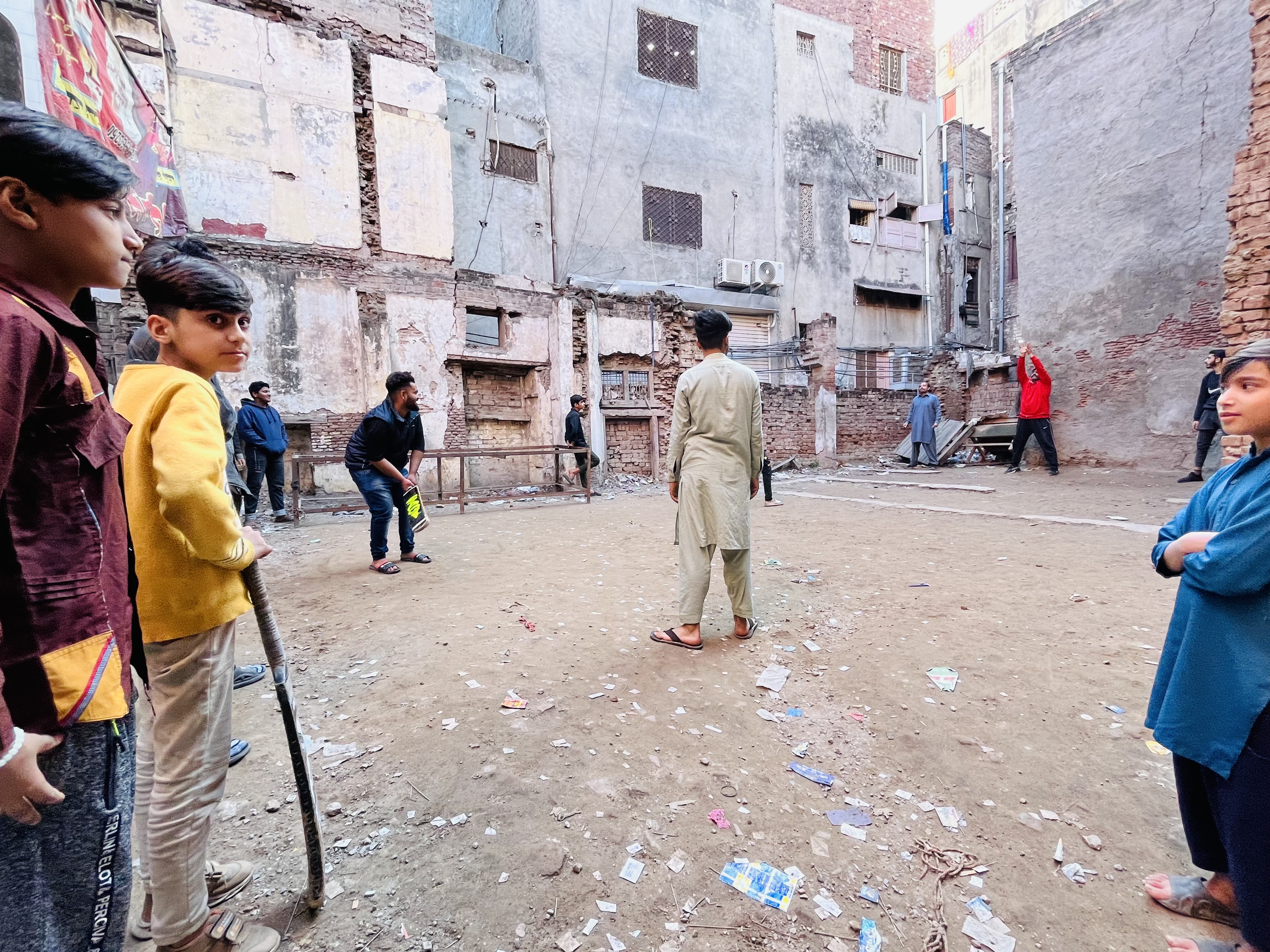
More evidence of the continuing influence of the English — a group of boys were playing cricket in an empty lot in one of the old town souks. They asked if I wanted to play! I was feeling a little shy about my batting skills, so I declined. Cricket is Pakistan’s most popular sport and the people love their official cricket team. According to some, Indian tourists have been seen buying the Pakistani team’s logo shirts. This is good news for international relations!
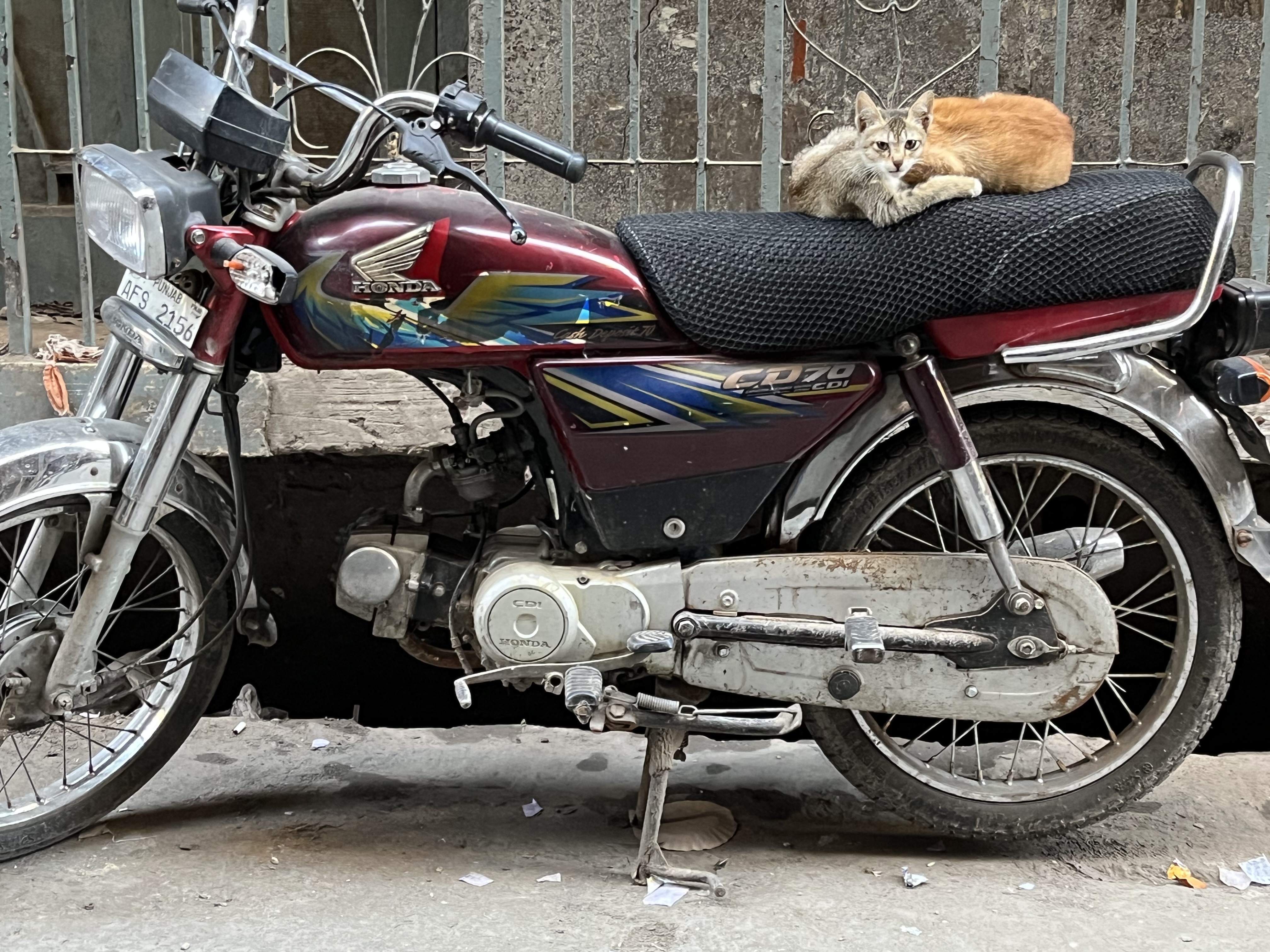
I saw other evidence that Pakistan and India can find common ground. Throughout the old city, Pakistani cats lounge on parked motorcycle seats — just like the dogs in Amritsar. Another sign that we are not so different.


Marvellous stories, as usual, Kim. But I do think that you should have taken your at bats with the boys on the cricket pitch… (Such a high complement they paid you!) 😉
Yes it was just so sweet of them to ask! I was very touched.
Lim, your are amazing-wish I were tagging alongSent from my iPhone
I wish you were too. I do get lonely at times, although I get more out of my travels when I’m on my own. And no one I know wants to visit Pakistan1
We found the people in Pakistan very welcoming, and yes surprised to see us too. We didn’t go to Lahore though, so nice to see pictures of it. Maggie
I was a little disappointed to have missed the museums, which are supposed to be very good. But the people were lovely.
ugh – traveling while fighting stomach bugs is no fun!! We missed most of our short trips to Laos (Levon) and Angkor Wat (me) thanks to bugs. But intrepid travelers must travel! So glad you are recovering!
Yah I’m fine! The usual “Delhi Belly” but in Pakistan.
Wonderful pictures Kim- they give a slender slice of what life is like there. And thanks for your interesting accompanying narrative highlighting the silliness of international relations among nation-states and the commonality shared by all peoples (and cats and dogs).
From my first trips out of the US (to Canada for fishing trips with my dad and his pals and their kids) I have always been bemused and confused by the behavior and practices I’ve observed at border crossings. This only grew as I visited many far more distant lands with markedly different cultures and conventions. Most border crossings were fairly boring, some confusing, one or two a bit threatening, and more than a handful just plain ludicrous.
I have always found borders to be bizarre, but it is clear that I am an outlier in that regard considering everyone else apparently finds borders drawn up on maps by self interested conquerors to be meaningful and appropriate.
Sorry to hear about your tummy troubles, but I trust by now you are in ship-shape condition! And I too wish you had taken up the offer to take a swing at a googly, avoided a golden duck and reached a century!
Bon voyage!
I read a book about the history of borders. It was fascinating. They’re an invention of the18th century, according to the author and, as we’ve seen, when they’re drawn up by outsiders, they are nothing but trouble.
Ooooh! That’s an eye-opener for me. By any chance do you remember the name of the book??? There are several around. I thought borders set by treaty and maps with borders were around for a couple of millennia, but I guess I’m way off.
Kym, I had no idea that it was so complicated to cross the India-Pakistan border. Sounds like North & South Korea. I love spicy Indian foods, but my stomach does not 😦 Fascinating photos that, in my view, captured tension in the air.
Yeah, it feels a little like North and South Korea, a partition which was also a disaster created by outsiders. Maybe we’ve learned something?
I doesn’t appear to me that we’ve learned a damned thing about relations between neighboring countries nor with countries far away from one another. We are a flawed species competing for perceived limited resources with our very real unlimited desires. It’s another aspect of the “tragedy of the commons”.
To say that you get around is an understatement!
Yes, I rented my house out so I can’t go home until late April ! It’s a pleasure.
I love the fact you could walk between borders. We did that once in Africa. Hope the tummy settles.
Ah, which African countries?
It was 16 years ago. Without checking my ancient pics, I think it might have been between Togo and Benin. John thinks it might have been between Nigeria and Cameroon. Not sure.
Fascinating blog, Kim! I don’t know much about Pakistan so this is quite interesting. And the border crossing is very convoluted. Ha ha, the hotel manager thought whatever stomach ailment you have had to come from India.😂😂😂
Wherever you got it… I hope you’re feeling better.
Hi Janet, yes, I thought that was a cute jab at India! Pretty sure he was right. Probably the onion kulcha!
I have always been bemused and confused by the behavior and practices I’ve observed at border crossings. This only grew as I visited many far more distant lands with markedly different cultures and conventions. Most border crossings were fairly boring, some confusing, one or two a bit threatening, and more than a handful just plain ludicrous.
Indeed. I guess we humans need to always be on the alert for invaders, probably because we have been the invaders.
Kim, I hope you recuperate soon! We need our guide in this trip!
C
PS I had an ‘interesting’ crossing between Canada-US during the 9/11 messy times. And another between Switzerland and Austria at St. Gallen…
Thanks I’m fine! It was normal food disturbance. I don’t know anything about St. Gallen — going to read up on it now!
When I apologized to my hotel’s restaurant manager for not eating much of his buffet dinner, he assured me that whatever I have is something I contracted in India.
LOL
An interesting read!
It’s good that you got the time to click pictures.
Thanks for sharing!