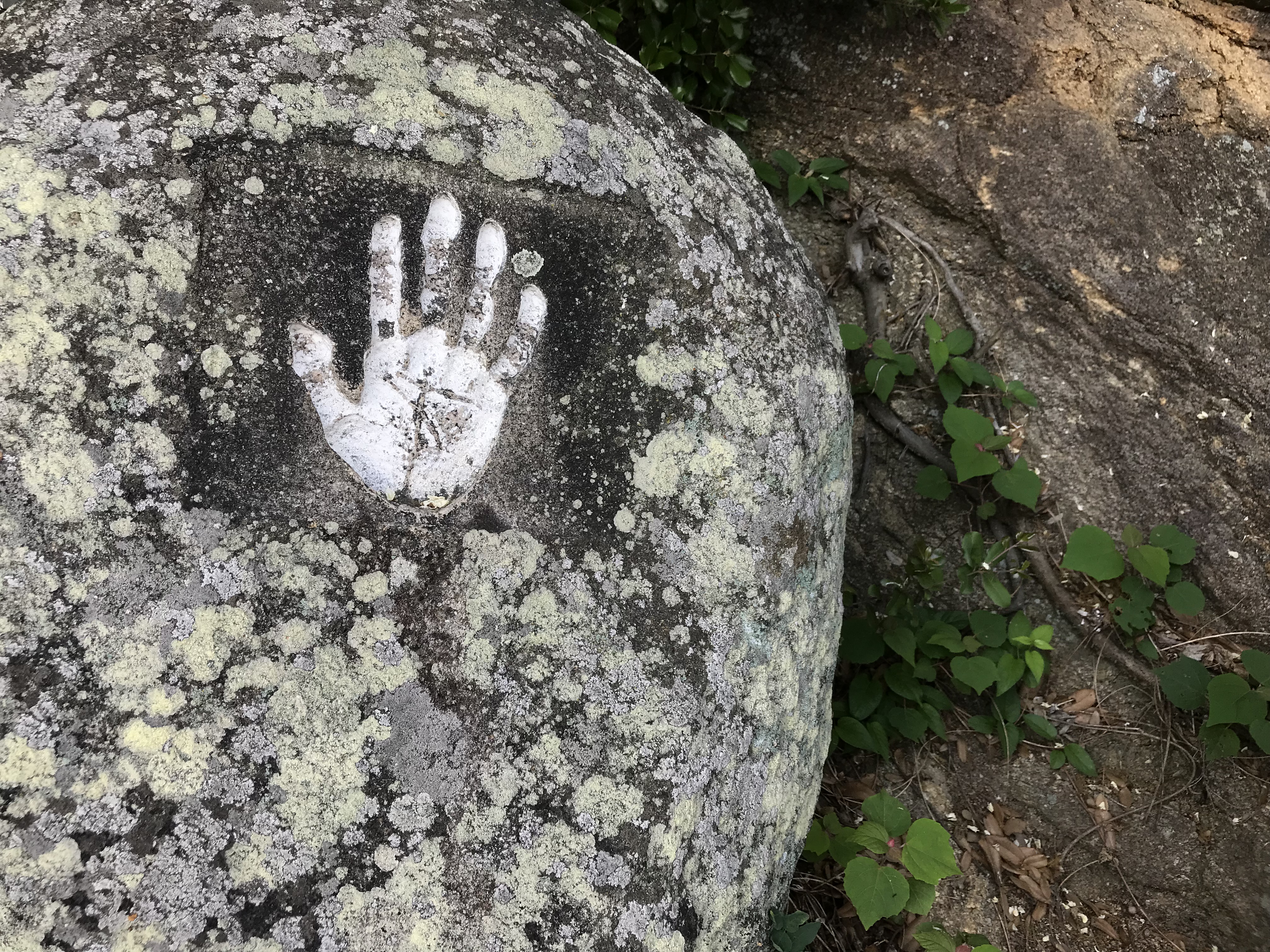
Today is my last day of almost 4 months in Asia. I am feeling sentimental about it….so many special moments, beauty, pathos, fun, learning, unbearable heat and food I didn’t like. Here are a few photos that I haven’t posted previously .
What I Learned About Taiwan from Yu Peng
Taiwan — There’s a Lot Going on Under the Surface
On my first day in Taiwan, I asked a young Taiwanese woman in my hotel what she thinks about Taiwan’s relationship to China. She looked the other way and lowered her voice to a whisper. The next day, my taxi driver eagerly downloaded his decidedly progressive political views until I asked him about Taiwan’s future. Then he paused and lowered his voice.
Because sometimes in life, the best way to deal with disagreement is to just keep a low profile and do what you want.
Okonomiyaki, Japan’s Slow Fast Food
Most Americans probably think of Japanese food as sushi, ramen, and chicken teriyaki. But of course, in actual Japan, there is a lot more to it. The small restaurants and street food stands serve various kinds of brothy noodle soups and mysterious pickled vegetables, breaded pork chops and barbecued meat skewers. Sweet and savory stuffed buns and dumplings, and bento boxes full of a dozen things most Americans, including me, probably could not identify.
Kanazawa and Awazu Kiyoshi
History matters and the Japanese City of Kanazawa has been lucky that way. The city’s good fortune began before it was a city when a farmer found flecks of gold in Kanazawa’s water as he was digging for potatoes. Things went uphill from there. The powerful Maeda family moved in during the 17th century and, for 300 years, invested in the arts, infrastructure, and education, creating a thriving, beautiful city. Also lucky — in the 20th century, Kanazawa was spared the devastation of WW II.
The result of all that good history is a wealthy, modern city with a focus on the arts, parks, historic neighborhoods and local foods.
Kyoto Re-visited: Raku, Kasuri and Kintsugi
I loved my first visit to Kyoto, which was before the city’s famous Nishiki Market replaced artistic displays of incredible foods and high-end craft shops with plastic-wrapped produce and cheesy souvenir stands. It was before convenience stores were on every street corner, even in the city’s most historic neighborhoods. There were not so many tourists that you felt like a dumb tourist. https://kimmie53.com/2015/02/22/less-is-more-and-more-is-more/#more-3387. My first visit wasn’t in 1970. It was four years ago.
My 12 Henro Temples. Only 76 To Go.
The Japanese island of Shikoku is well-traveled — but not by tourists. For more than 1200 years, thousands of pilgrims every year have walked the “Henro,” 800 miles to 88 of the island’s temples. Today, about 200,000 pilgrims visit the temples every year, sometimes walking, sometimes in cars or using public transportation. The Henro and many of the 88 temples are believed to have been founded by a monk named Kukai, who is a hero to the people of Shikoku.
Embracing Your Inner Washlet
I have always wondered why women spend so much time in the stalls of public bathrooms. What are they doing in there that takes so long? I am a woman and I don’t understand it! No wonder we suffer through long lines in public places! But now, Japan has provided an easy explanation for why women spend so much time in bathrooms. Now, even men’s bathrooms can have long lines.